
About This Book
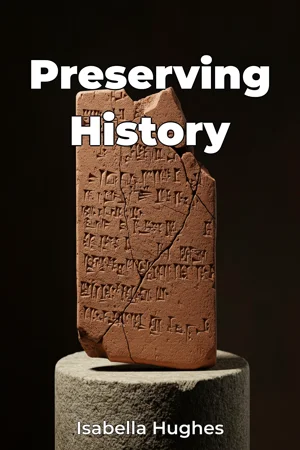
What if the stories whispered by ancient artifacts were silenced forever? "Preserving History" delves into the complex and crucial world of museum conservation, exploring how these institutions safeguard our shared human story for future generations. This book examines the multifaceted strategies, scientific techniques, and ethical considerations involved in protecting historical documents, invaluable artworks, and significant cultural heritage. Understanding these preservation efforts is vital, as these pieces provide tangible links to the past, inform our present, and shape our future understanding of civilization. The book focuses on three core areas: the science of conservation, the ethics of preservation, and the practical application of these principles within museum settings. The scientific aspects explore the material composition of artifacts and the environmental factors that contribute to their degradation, such as light, humidity, and pests. We then examine the chemical and physical processes used to stabilize and restore these objects. The ethical considerations examine the debates around authenticity, intervention, and cultural sensitivity. The final focus is on how conservation strategies are implemented in real-world scenarios, looking at case studies of successful preservation projects and the challenges faced by museums globally. "Preserving History" argues that effective museum conservation is not merely about repair; it's a proactive process of safeguarding cultural memory and promoting responsible stewardship. This argument is built on the understanding that artifacts are not static objects, but rather dynamic carriers of cultural and historical meaning that require continuous monitoring and intervention to ensure their long-term survival. The book begins by establishing a foundational understanding of conservation principles, outlining the history of museum preservation and defining key terminology. The subsequent sections delve into the specific challenges of preserving different types of materials, from fragile textiles to ancient metals, using examples to illustrate the application of various scientific techniques and ethical considerations. The book then examines the impact of climate change and other environmental threats on cultural heritage, highlighting the urgent need for innovative preservation strategies. Finally, "Preserving History" explores the future of museum conservation, considering the role of technology, community engagement, and international collaboration in shaping the field. The evidence presented in the book is drawn from a range of sources, including scientific research papers, museum conservation reports, and historical documents. It incorporates case studies from diverse museums and cultural institutions around the world, offering practical examples of both successful and unsuccessful preservation efforts. The book also draws on interviews with leading conservators and museum professionals, providing insights into the challenges and rewards of this vital profession. "Preserving History" intersects with various other fields, including archaeology, chemistry, and history. Archaeological findings often necessitate subsequent conservation work, while chemistry provides the scientific basis for understanding material degradation and developing appropriate treatments. Historical research informs the ethical considerations surrounding preservation, ensuring that interventions are sensitive to the cultural significance of the object. It also has a connection to climate science, as we understand how artifacts will be impacted long-term. The book offers a unique perspective by emphasizing the interconnectedness of science, ethics, and practice in museum conservation. It moves beyond a purely technical approach to consider the broader social and cultural implications of preservation decisions. Written in a clear and accessible style, "Preserving History" is intended for a broad audience, including museum professionals, students of art history, archaeology, and conservation, as well as anyone with an interest in preserving cultural heritage. It offers valuable insights into the critical role that museums play in safeguarding our shared human story. The scope of the book is limited to the preservation of physical objects within museum settings, focusing primarily on art and historical artifacts. It does not delve into the preservation of intangible cultural heritage or the broader issues of heritage management. The information in "Preserving History" can be applied practically by readers interested in learning more about the care and preservation of their own personal collections. It also provides valuable insights for museum professionals seeking to improve their preservation practices. The book addresses some of the ongoing debates in the field, such as the question of how much intervention is appropriate in the restoration of damaged artifacts and the ethical considerations surrounding the repatriation of cultural objects. By exploring these controversies, "Preserving History" encourages readers to think critically about the complex issues facing museum conservators today.
What if the stories whispered by ancient artifacts were silenced forever? "Preserving History" delves into the complex and crucial world of museum conservation, exploring how these institutions safeguard our shared human story for future generations. This book examines the multifaceted strategies, scientific techniques, and ethical considerations involved in protecting historical documents, invaluable artworks, and significant cultural heritage. Understanding these preservation efforts is vital, as these pieces provide tangible links to the past, inform our present, and shape our future understanding of civilization. The book focuses on three core areas: the science of conservation, the ethics of preservation, and the practical application of these principles within museum settings. The scientific aspects explore the material composition of artifacts and the environmental factors that contribute to their degradation, such as light, humidity, and pests. We then examine the chemical and physical processes used to stabilize and restore these objects. The ethical considerations examine the debates around authenticity, intervention, and cultural sensitivity. The final focus is on how conservation strategies are implemented in real-world scenarios, looking at case studies of successful preservation projects and the challenges faced by museums globally. "Preserving History" argues that effective museum conservation is not merely about repair; it's a proactive process of safeguarding cultural memory and promoting responsible stewardship. This argument is built on the understanding that artifacts are not static objects, but rather dynamic carriers of cultural and historical meaning that require continuous monitoring and intervention to ensure their long-term survival. The book begins by establishing a foundational understanding of conservation principles, outlining the history of museum preservation and defining key terminology. The subsequent sections delve into the specific challenges of preserving different types of materials, from fragile textiles to ancient metals, using examples to illustrate the application of various scientific techniques and ethical considerations. The book then examines the impact of climate change and other environmental threats on cultural heritage, highlighting the urgent need for innovative preservation strategies. Finally, "Preserving History" explores the future of museum conservation, considering the role of technology, community engagement, and international collaboration in shaping the field. The evidence presented in the book is drawn from a range of sources, including scientific research papers, museum conservation reports, and historical documents. It incorporates case studies from diverse museums and cultural institutions around the world, offering practical examples of both successful and unsuccessful preservation efforts. The book also draws on interviews with leading conservators and museum professionals, providing insights into the challenges and rewards of this vital profession. "Preserving History" intersects with various other fields, including archaeology, chemistry, and history. Archaeological findings often necessitate subsequent conservation work, while chemistry provides the scientific basis for understanding material degradation and developing appropriate treatments. Historical research informs the ethical considerations surrounding preservation, ensuring that interventions are sensitive to the cultural significance of the object. It also has a connection to climate science, as we understand how artifacts will be impacted long-term. The book offers a unique perspective by emphasizing the interconnectedness of science, ethics, and practice in museum conservation. It moves beyond a purely technical approach to consider the broader social and cultural implications of preservation decisions. Written in a clear and accessible style, "Preserving History" is intended for a broad audience, including museum professionals, students of art history, archaeology, and conservation, as well as anyone with an interest in preserving cultural heritage. It offers valuable insights into the critical role that museums play in safeguarding our shared human story. The scope of the book is limited to the preservation of physical objects within museum settings, focusing primarily on art and historical artifacts. It does not delve into the preservation of intangible cultural heritage or the broader issues of heritage management. The information in "Preserving History" can be applied practically by readers interested in learning more about the care and preservation of their own personal collections. It also provides valuable insights for museum professionals seeking to improve their preservation practices. The book addresses some of the ongoing debates in the field, such as the question of how much intervention is appropriate in the restoration of damaged artifacts and the ethical considerations surrounding the repatriation of cultural objects. By exploring these controversies, "Preserving History" encourages readers to think critically about the complex issues facing museum conservators today.
"Preserving History" explores the vital role of museum conservation in safeguarding our cultural heritage. Delving into the science, ethics, and practical applications of preserving historical documents, invaluable artworks, and significant artifacts, the book highlights the proactive measures taken to protect cultural memory. Readers will discover how environmental factors like light and humidity degrade artifacts and how conservators use chemical and physical processes to stabilize and restore them. The book uniquely emphasizes the interconnectedness of scientific techniques, ethical considerations, and real-world practices in museum conservation, moving beyond a purely technical approach. The book progresses by first establishing core conservation principles and then examining challenges in preserving diverse materials, from textiles to metals. It addresses the impact of climate change and the need for innovative strategies. Case studies from museums worldwide illustrate successful and unsuccessful preservation efforts, offering practical insights. Ethical debates, such as the appropriate level of intervention and cultural sensitivity, are explored, encouraging critical thinking about the complex issues facing museum conservators. Ultimately, the book considers the future of museum conservation, including technology's role and international collaboration.
Book Details
ISBN
9788233998424
Publisher
Publifye AS
Your Licenses
You don't own any licenses for this book
Purchase a license below to unlock this book and download the EPUB.
Purchase License
Select a tier to unlock this book
Need bulk licensing?
Contact us for enterprise agreements.