
About This Book
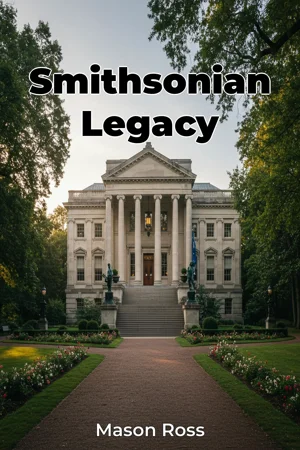
How did a bequest from an English scientist, a man who never set foot on American soil, transform the United States? "Smithsonian Legacy" explores this question, charting the evolution of the Smithsonian Institution from its somewhat nebulous beginnings into a global leader in research, education, and cultural preservation. This book examines the institution's complex history, its significant contributions to various fields, and its enduring impact on American society and beyond. This book delves into three key areas: the establishment and early struggles of the Smithsonian, its pivotal role in shaping scientific knowledge and cultural understanding, and its ongoing adaptation in the face of modern challenges. Understanding these factors is crucial to appreciating the lasting legacy of an institution that has consistently pushed the boundaries of discovery and dissemination of knowledge. The narrative begins in the mid-19th century, a period of rapid expansion and intellectual ferment in the United States. James Smithson's will, leaving his fortune to the United States to found an institution dedicated to the "increase and diffusion of knowledge," arrived at a time when the nation was grappling with questions of identity, scientific progress, and the role of culture in shaping society. The book examines the debates surrounding the interpretation of Smithson's will and the initial struggles to define the Smithsonian's mission, setting the stage for its subsequent development. The central argument of "Smithsonian Legacy" is that the Smithsonian’s success stems not only from its vast resources but also from its ability to adapt to changing societal needs and scientific advancements while staying true to Smithson’s original vision. It highlights the institution's unique position as both a repository of knowledge and a dynamic force in shaping public understanding of science, history, and culture. The book is structured chronologically and thematically. It first introduces the Smithson bequest and the political and intellectual climate in which the Smithsonian was established. It then explores the institution's early contributions to fields such as natural history, anthropology, and astronomy, highlighting the work of key figures who shaped its direction. It then examines the growth of the Smithsonian's museums and research centers, its increasing involvement in national and international affairs, and its efforts to engage diverse audiences through education and outreach programs. Finally, the book considers the challenges facing the Smithsonian in the 21st century, including issues of funding, technological change, and the need to remain relevant in an increasingly complex world. The book draws upon a wide range of primary and secondary sources, including archival documents, official reports, scientific publications, and biographical accounts. It also incorporates insights from museum studies, history of science, and cultural history to provide a comprehensive and nuanced understanding of the Smithsonian's multifaceted legacy. "Smithsonian Legacy" connects to broader themes in American history, such as the development of scientific institutions, the evolution of cultural philanthropy, and the role of museums in shaping national identity. It also intersects with fields such as science communication, public history, and museum education. This book offers fresh perspectives on the Smithsonian's historical trajectory by examining its internal dynamics, its relationships with other institutions, and its impact on society at large. It delves into the controversies and debates that have shaped the institution's development, providing a balanced and critical assessment of its accomplishments and shortcomings. Written in an accessible and engaging style, "Smithsonian Legacy" is intended for a broad audience, including students, scholars, museum professionals, and anyone interested in the history of science, culture, and philanthropy. It offers valuable insights into the workings of a major cultural institution and its role in shaping our understanding of the world. As an academic work, the book follows the conventions of historical scholarship, providing detailed citations and a comprehensive bibliography. While it strives for breadth of coverage, the book acknowledges limitations in scope, focusing primarily on the Smithsonian's core activities in research, education, and museum collections, with less emphasis on its more recent ventures into areas such as digital media and entertainment. The information presented in "Smithsonian Legacy" has practical applications for museum professionals, educators, and policymakers seeking to understand the role of cultural institutions in promoting knowledge, engaging diverse audiences, and addressing societal challenges. The book addresses ongoing debates surrounding the Smithsonian's governance, funding, and its role in representing diverse perspectives. By examining these issues in historical context, it provides a framework for understanding the challenges and opportunities facing the institution in the years to come.
How did a bequest from an English scientist, a man who never set foot on American soil, transform the United States? "Smithsonian Legacy" explores this question, charting the evolution of the Smithsonian Institution from its somewhat nebulous beginnings into a global leader in research, education, and cultural preservation. This book examines the institution's complex history, its significant contributions to various fields, and its enduring impact on American society and beyond. This book delves into three key areas: the establishment and early struggles of the Smithsonian, its pivotal role in shaping scientific knowledge and cultural understanding, and its ongoing adaptation in the face of modern challenges. Understanding these factors is crucial to appreciating the lasting legacy of an institution that has consistently pushed the boundaries of discovery and dissemination of knowledge. The narrative begins in the mid-19th century, a period of rapid expansion and intellectual ferment in the United States. James Smithson's will, leaving his fortune to the United States to found an institution dedicated to the "increase and diffusion of knowledge," arrived at a time when the nation was grappling with questions of identity, scientific progress, and the role of culture in shaping society. The book examines the debates surrounding the interpretation of Smithson's will and the initial struggles to define the Smithsonian's mission, setting the stage for its subsequent development. The central argument of "Smithsonian Legacy" is that the Smithsonian’s success stems not only from its vast resources but also from its ability to adapt to changing societal needs and scientific advancements while staying true to Smithson’s original vision. It highlights the institution's unique position as both a repository of knowledge and a dynamic force in shaping public understanding of science, history, and culture. The book is structured chronologically and thematically. It first introduces the Smithson bequest and the political and intellectual climate in which the Smithsonian was established. It then explores the institution's early contributions to fields such as natural history, anthropology, and astronomy, highlighting the work of key figures who shaped its direction. It then examines the growth of the Smithsonian's museums and research centers, its increasing involvement in national and international affairs, and its efforts to engage diverse audiences through education and outreach programs. Finally, the book considers the challenges facing the Smithsonian in the 21st century, including issues of funding, technological change, and the need to remain relevant in an increasingly complex world. The book draws upon a wide range of primary and secondary sources, including archival documents, official reports, scientific publications, and biographical accounts. It also incorporates insights from museum studies, history of science, and cultural history to provide a comprehensive and nuanced understanding of the Smithsonian's multifaceted legacy. "Smithsonian Legacy" connects to broader themes in American history, such as the development of scientific institutions, the evolution of cultural philanthropy, and the role of museums in shaping national identity. It also intersects with fields such as science communication, public history, and museum education. This book offers fresh perspectives on the Smithsonian's historical trajectory by examining its internal dynamics, its relationships with other institutions, and its impact on society at large. It delves into the controversies and debates that have shaped the institution's development, providing a balanced and critical assessment of its accomplishments and shortcomings. Written in an accessible and engaging style, "Smithsonian Legacy" is intended for a broad audience, including students, scholars, museum professionals, and anyone interested in the history of science, culture, and philanthropy. It offers valuable insights into the workings of a major cultural institution and its role in shaping our understanding of the world. As an academic work, the book follows the conventions of historical scholarship, providing detailed citations and a comprehensive bibliography. While it strives for breadth of coverage, the book acknowledges limitations in scope, focusing primarily on the Smithsonian's core activities in research, education, and museum collections, with less emphasis on its more recent ventures into areas such as digital media and entertainment. The information presented in "Smithsonian Legacy" has practical applications for museum professionals, educators, and policymakers seeking to understand the role of cultural institutions in promoting knowledge, engaging diverse audiences, and addressing societal challenges. The book addresses ongoing debates surrounding the Smithsonian's governance, funding, and its role in representing diverse perspectives. By examining these issues in historical context, it provides a framework for understanding the challenges and opportunities facing the institution in the years to come.
"Smithsonian Legacy" explores the remarkable story of the Smithsonian Institution, tracing its evolution from a nascent idea fueled by the Smithson bequest to a global leader in research, education, and cultural preservation. The book examines how this institution, born from an Englishman's vision, navigated early struggles and controversies to significantly shape scientific knowledge and cultural understanding in America. From its pivotal role in advancing fields like natural history and anthropology to its enduring impact on American society, the book delves into the Smithsonian's complex history and its ongoing adaptation to modern challenges, revealing its unique position as a dynamic force in shaping public understanding. The book is structured chronologically and thematically, beginning with the establishment of the Smithsonian in the mid-19th century and concluding with an examination of the challenges it faces in the 21st century. Early chapters explore the interpretation of James Smithson's will and the debates surrounding the institution's mission. Later chapters examine the growth of the Smithsonian's museums and research centers, its increasing involvement in national and international affairs, and its engagement with diverse audiences. Drawing on a wide range of sources, the book offers fresh perspectives on the Smithsonian's historical trajectory, examining its internal dynamics, its relationships with other institutions, and its impact on society at large. It highlights the institution's ability to adapt to changing societal needs and scientific advancements while staying true to Smithson’s original vision, making it a valuable resource for anyone interested in the history of science, culture, and philanthropy.
Book Details
ISBN
9788233998301
Publisher
Publifye AS
Your Licenses
You don't own any licenses for this book
Purchase a license below to unlock this book and download the EPUB.
Purchase License
Select a tier to unlock this book
Need bulk licensing?
Contact us for enterprise agreements.