
About This Book
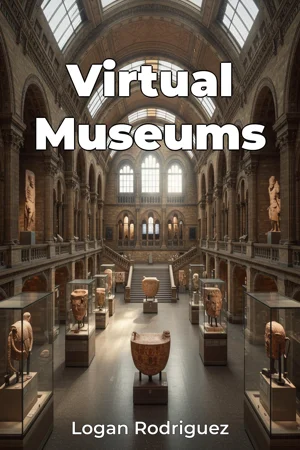
Are museums on the verge of a digital renaissance? "Virtual Museums" delves into the transformative impact of digital platforms and virtual reality (VR) on the museum experience, exploring how these technologies are reshaping the way art and culture are accessed, understood, and appreciated. This book addresses two central questions: How are digital technologies redefining the traditional museum model, and what are the implications of these changes for art institutions, artists, and audiences? These questions are important because museums face increasing pressure to remain relevant in an increasingly digital world. Furthermore, digital platforms offer unprecedented opportunities to democratize access to art and cultural heritage, potentially reaching wider and more diverse audiences than ever before. Historically, museums have served as physical repositories and guardians of cultural artifacts. However, the rise of the internet and immersive technologies has challenged this traditional model. The book provides context by tracing the evolution of museum digitization efforts, from early online exhibits to the sophisticated VR and augmented reality (AR) experiences of today. No specialized knowledge is needed to explore the book, just an interest in museums and technology's impact on culture. "Virtual Museums" argues that digital platforms and VR are not merely supplementary tools for museums, but fundamental forces capable of transforming the very nature of these institutions. The book's central argument is that museums can leverage these technologies to enhance visitor engagement, expand educational outreach, and preserve cultural heritage in innovative ways, but only if these technologies are implemented thoughtfully and ethically. The book is structured in three parts. The first introduces core concepts and provides a comprehensive survey of current digital museum practices, from online collections and virtual tours to interactive exhibits and VR reconstructions of historical sites. The second part examines specific case studies of museums that have successfully integrated digital technologies into their operations, analyzing their strategies, challenges, and outcomes. This section covers the Metropolitan Museum of Art, the Smithsonian, and the British Museum, among others. The third section explores the future of museums in the digital age, considering the ethical considerations of digital preservation, the role of artificial intelligence (AI), and the potential for decentralized, community-driven museum experiences. The book draws on a variety of evidence, including academic research, museum reports, industry publications, and interviews with museum professionals and digital artists. It utilizes a mixed-methods approach, combining quantitative analysis of website traffic and visitor engagement data with qualitative analysis of museum policies and visitor feedback. "Virtual Museums" bridges the fields of art history, museum studies, and technology. It examines how digital technologies can be used to enhance art historical research, to create more accessible and engaging museum education programs, and to develop innovative methods of cultural heritage preservation. It also connects to the field of media studies, exploring how digital platforms are shaping the way we consume and interact with art and culture. This book offers a unique perspective by emphasizing the importance of user-centered design in the development of digital museum experiences. It argues that museums should prioritize the needs and interests of their audiences when implementing digital technologies, ensuring that these technologies enhance rather than detract from the overall museum experience. The writing style is accessible, but academically rigorous, and the intended audience includes museum professionals, art students, technology enthusiasts, and anyone interested in the intersection of art, culture, and technology. The book adheres to the conventions of academic non-fiction, providing clear and concise explanations of complex concepts, supporting arguments with evidence, and acknowledging the limitations of its scope. The book focuses primarily on the application of digital technologies in art and history museums, with limited coverage of science and natural history museums. The information in "Virtual Museums" can be applied to any museum wishing to expand its digital presence. Museum professionals may apply the practical suggestions and case studies of virtual transformation to improve their institution. The book also addresses ongoing debates about the role of technology in museums, including concerns about the potential for digital technologies to replace traditional museum experiences, the ethical implications of digital preservation, and the need to ensure equitable access to digital museum resources.
Are museums on the verge of a digital renaissance? "Virtual Museums" delves into the transformative impact of digital platforms and virtual reality (VR) on the museum experience, exploring how these technologies are reshaping the way art and culture are accessed, understood, and appreciated. This book addresses two central questions: How are digital technologies redefining the traditional museum model, and what are the implications of these changes for art institutions, artists, and audiences? These questions are important because museums face increasing pressure to remain relevant in an increasingly digital world. Furthermore, digital platforms offer unprecedented opportunities to democratize access to art and cultural heritage, potentially reaching wider and more diverse audiences than ever before. Historically, museums have served as physical repositories and guardians of cultural artifacts. However, the rise of the internet and immersive technologies has challenged this traditional model. The book provides context by tracing the evolution of museum digitization efforts, from early online exhibits to the sophisticated VR and augmented reality (AR) experiences of today. No specialized knowledge is needed to explore the book, just an interest in museums and technology's impact on culture. "Virtual Museums" argues that digital platforms and VR are not merely supplementary tools for museums, but fundamental forces capable of transforming the very nature of these institutions. The book's central argument is that museums can leverage these technologies to enhance visitor engagement, expand educational outreach, and preserve cultural heritage in innovative ways, but only if these technologies are implemented thoughtfully and ethically. The book is structured in three parts. The first introduces core concepts and provides a comprehensive survey of current digital museum practices, from online collections and virtual tours to interactive exhibits and VR reconstructions of historical sites. The second part examines specific case studies of museums that have successfully integrated digital technologies into their operations, analyzing their strategies, challenges, and outcomes. This section covers the Metropolitan Museum of Art, the Smithsonian, and the British Museum, among others. The third section explores the future of museums in the digital age, considering the ethical considerations of digital preservation, the role of artificial intelligence (AI), and the potential for decentralized, community-driven museum experiences. The book draws on a variety of evidence, including academic research, museum reports, industry publications, and interviews with museum professionals and digital artists. It utilizes a mixed-methods approach, combining quantitative analysis of website traffic and visitor engagement data with qualitative analysis of museum policies and visitor feedback. "Virtual Museums" bridges the fields of art history, museum studies, and technology. It examines how digital technologies can be used to enhance art historical research, to create more accessible and engaging museum education programs, and to develop innovative methods of cultural heritage preservation. It also connects to the field of media studies, exploring how digital platforms are shaping the way we consume and interact with art and culture. This book offers a unique perspective by emphasizing the importance of user-centered design in the development of digital museum experiences. It argues that museums should prioritize the needs and interests of their audiences when implementing digital technologies, ensuring that these technologies enhance rather than detract from the overall museum experience. The writing style is accessible, but academically rigorous, and the intended audience includes museum professionals, art students, technology enthusiasts, and anyone interested in the intersection of art, culture, and technology. The book adheres to the conventions of academic non-fiction, providing clear and concise explanations of complex concepts, supporting arguments with evidence, and acknowledging the limitations of its scope. The book focuses primarily on the application of digital technologies in art and history museums, with limited coverage of science and natural history museums. The information in "Virtual Museums" can be applied to any museum wishing to expand its digital presence. Museum professionals may apply the practical suggestions and case studies of virtual transformation to improve their institution. The book also addresses ongoing debates about the role of technology in museums, including concerns about the potential for digital technologies to replace traditional museum experiences, the ethical implications of digital preservation, and the need to ensure equitable access to digital museum resources.
"Virtual Museums" explores the evolving landscape of art and cultural institutions in the digital age, revealing how technologies like VR and online platforms are reshaping museum experiences. The book examines how museums are leveraging digital tools to enhance visitor engagement and broaden educational outreach. One intriguing fact is the potential for digital platforms to democratize access to art, reaching diverse audiences beyond geographical limitations. Another is how VR reconstructions offer immersive experiences, allowing people to virtually explore historical sites and artifacts. The book approaches its subject by tracing the evolution of museum digitization, presenting case studies of institutions like the Metropolitan Museum of Art and the British Museum, and then contemplates the future of museums. It highlights the importance of user-centered design, arguing that digital implementations should prioritize audience needs. As museums grapple with staying relevant, this exploration of museum technology offers valuable insights into the ethical considerations of digital preservation and the innovative possibilities for cultural heritage in the digital realm. Structured in three parts, it begins by introducing core concepts and surveying current digital practices, then it examines specific case studies, and concludes by exploring the future of museums in the digital age. It bridges art history, museum studies, and technology, offering a unique perspective on how digital technologies can enhance art historical research and cultural preservation.
Book Details
ISBN
9788233998264
Publisher
Publifye AS
Your Licenses
You don't own any licenses for this book
Purchase a license below to unlock this book and download the EPUB.
Purchase License
Select a tier to unlock this book
Need bulk licensing?
Contact us for enterprise agreements.