
About This Book
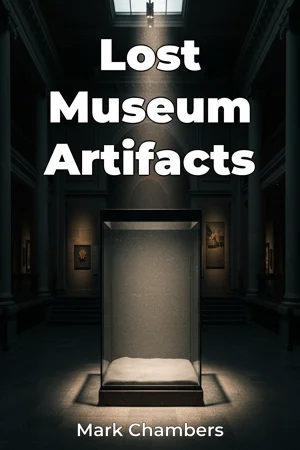
How many priceless pieces of history have vanished, their stories silenced by theft, war, or neglect? *Lost Museum Artifacts* delves into the shadowed world of missing cultural heritage, exploring the multifaceted issue of artifact loss, the motivations behind these disappearances, and the often-tenuous efforts to recover them. This book examines three core areas: the diverse means by which artifacts are lost (theft, conflict, and accidental destruction), the complex network of individuals and organizations involved in both illicit trafficking and legitimate recovery, and the ethical and legal frameworks that govern the protection of cultural property. These topics are critical because the loss of artifacts represents not just the disappearance of beautiful or valuable objects, but also the erasure of historical narratives and cultural identities. Understanding the context requires navigating a complex landscape of international law, art market dynamics, archaeological practices, and geopolitical conflicts. Essential background knowledge includes familiarity with basic art historical terminology, an awareness of the major international treaties concerning cultural heritage, and a general understanding of the impact of colonialism and conflict on artifact preservation. The central argument of *Lost Museum Artifacts* asserts that the ongoing loss of cultural heritage represents a global crisis demanding a more coordinated and multifaceted response that transcends national boundaries and incorporates diverse stakeholder perspectives. This argument's importance lies in its call to action, urging readers to become more informed and engaged in the preservation of shared human history. The book unfolds in a logical progression. First, it introduces the main concepts of artifact definition, ownership, and the various threats to cultural heritage. Then, it develops these ideas through three major sections. The first explores the mechanics of artifact loss, detailing case studies of thefts from museums, looting during wartime, and underwater archaeological challenges. The second examines the world of artifact trafficking, exploring the roles of smugglers, collectors, and auction houses, and the methods used to authenticate and conceal stolen items. The third focuses on recovery efforts, highlighting the work of law enforcement agencies, UNESCO, and private organizations dedicated to repatriation and preservation. The book culminates in proposing practical strategies for improving artifact protection, including enhanced security measures, stricter regulations on the art market, and greater international cooperation. The evidence presented is drawn from diverse sources: museum archives, law enforcement reports, academic research, journalism, and interviews with experts in the field. Unique data sources include detailed inventories of museum collections, reports from specialized art crime units, and first-hand accounts from archaeologists working in conflict zones. *Lost Museum Artifacts* connects to several other fields, including criminology (the study of art theft), international law (the legal frameworks for cultural heritage protection), and anthropology (the understanding of cultural significance). These connections enrich the book's argument by providing different lenses through which to analyze the problem of artifact loss. This book offers a unique perspective by combining historical analysis with contemporary case studies, providing not only a record of losses but also a framework for understanding the present-day challenges of cultural heritage protection. The book adopts a narrative non-fiction approach, presenting information in an accessible and engaging manner while maintaining scholarly rigor. Anecdotes and real-life stories are interwoven with factual accounts to create a compelling reading experience. The target audience includes history enthusiasts, art lovers, museum professionals, law enforcement officers, and anyone interested in the preservation of cultural heritage. It will be valuable to them because it provides a comprehensive overview of a complex issue, offering insights into the challenges and potential solutions. As a work of true crime and history, the book adheres to the conventions of thorough research, accurate reporting, and engaging storytelling, while also providing a well-structured and informative narrative. The book's scope is global, covering examples of artifact loss and recovery from around the world. However, it intentionally focuses on high-profile cases and ongoing recovery efforts, rather than attempting to provide a comprehensive inventory of all missing artifacts. Readers can apply the information in this book by becoming more informed consumers of art and antiquities, supporting organizations dedicated to cultural heritage protection, and advocating for stronger legal frameworks to prevent artifact theft and trafficking. The book addresses ongoing debates surrounding issues such as repatriation of cultural property, the ethical responsibilities of collectors, and the role of source countries in protecting their own heritage.
How many priceless pieces of history have vanished, their stories silenced by theft, war, or neglect? *Lost Museum Artifacts* delves into the shadowed world of missing cultural heritage, exploring the multifaceted issue of artifact loss, the motivations behind these disappearances, and the often-tenuous efforts to recover them. This book examines three core areas: the diverse means by which artifacts are lost (theft, conflict, and accidental destruction), the complex network of individuals and organizations involved in both illicit trafficking and legitimate recovery, and the ethical and legal frameworks that govern the protection of cultural property. These topics are critical because the loss of artifacts represents not just the disappearance of beautiful or valuable objects, but also the erasure of historical narratives and cultural identities. Understanding the context requires navigating a complex landscape of international law, art market dynamics, archaeological practices, and geopolitical conflicts. Essential background knowledge includes familiarity with basic art historical terminology, an awareness of the major international treaties concerning cultural heritage, and a general understanding of the impact of colonialism and conflict on artifact preservation. The central argument of *Lost Museum Artifacts* asserts that the ongoing loss of cultural heritage represents a global crisis demanding a more coordinated and multifaceted response that transcends national boundaries and incorporates diverse stakeholder perspectives. This argument's importance lies in its call to action, urging readers to become more informed and engaged in the preservation of shared human history. The book unfolds in a logical progression. First, it introduces the main concepts of artifact definition, ownership, and the various threats to cultural heritage. Then, it develops these ideas through three major sections. The first explores the mechanics of artifact loss, detailing case studies of thefts from museums, looting during wartime, and underwater archaeological challenges. The second examines the world of artifact trafficking, exploring the roles of smugglers, collectors, and auction houses, and the methods used to authenticate and conceal stolen items. The third focuses on recovery efforts, highlighting the work of law enforcement agencies, UNESCO, and private organizations dedicated to repatriation and preservation. The book culminates in proposing practical strategies for improving artifact protection, including enhanced security measures, stricter regulations on the art market, and greater international cooperation. The evidence presented is drawn from diverse sources: museum archives, law enforcement reports, academic research, journalism, and interviews with experts in the field. Unique data sources include detailed inventories of museum collections, reports from specialized art crime units, and first-hand accounts from archaeologists working in conflict zones. *Lost Museum Artifacts* connects to several other fields, including criminology (the study of art theft), international law (the legal frameworks for cultural heritage protection), and anthropology (the understanding of cultural significance). These connections enrich the book's argument by providing different lenses through which to analyze the problem of artifact loss. This book offers a unique perspective by combining historical analysis with contemporary case studies, providing not only a record of losses but also a framework for understanding the present-day challenges of cultural heritage protection. The book adopts a narrative non-fiction approach, presenting information in an accessible and engaging manner while maintaining scholarly rigor. Anecdotes and real-life stories are interwoven with factual accounts to create a compelling reading experience. The target audience includes history enthusiasts, art lovers, museum professionals, law enforcement officers, and anyone interested in the preservation of cultural heritage. It will be valuable to them because it provides a comprehensive overview of a complex issue, offering insights into the challenges and potential solutions. As a work of true crime and history, the book adheres to the conventions of thorough research, accurate reporting, and engaging storytelling, while also providing a well-structured and informative narrative. The book's scope is global, covering examples of artifact loss and recovery from around the world. However, it intentionally focuses on high-profile cases and ongoing recovery efforts, rather than attempting to provide a comprehensive inventory of all missing artifacts. Readers can apply the information in this book by becoming more informed consumers of art and antiquities, supporting organizations dedicated to cultural heritage protection, and advocating for stronger legal frameworks to prevent artifact theft and trafficking. The book addresses ongoing debates surrounding issues such as repatriation of cultural property, the ethical responsibilities of collectors, and the role of source countries in protecting their own heritage.
*Lost Museum Artifacts* explores the dark world of missing cultural heritage, revealing the complex web of theft, conflict, and neglect that silences historical narratives. Learn how countless priceless artifacts vanish, not only disappearing from museums and archaeological sites but also fueling a global crisis of cultural identity. The book highlights the staggering scale of artifact loss, from high-profile museum heists to looting during wartime, showing that the disappearance of these items isn't just about monetary value; it's about erasing history. The book systematically uncovers the mechanics of artifact loss, delving into the roles of smugglers, collectors, and auction houses in the illicit trafficking network. It examines the recovery efforts of law enforcement agencies and organizations like UNESCO, focusing on repatriation and preservation. By combining historical analysis with contemporary case studies, *Lost Museum Artifacts* offers a unique perspective on the challenges and potential solutions in cultural heritage protection, progressing from defining the threats to proposing practical strategies for improved artifact security and international cooperation. This book is a call to action, urging readers to engage in the preservation of our shared human history.
Book Details
ISBN
9788233998196
Publisher
Publifye AS
Your Licenses
You don't own any licenses for this book
Purchase a license below to unlock this book and download the EPUB.
Purchase License
Select a tier to unlock this book
Need bulk licensing?
Contact us for enterprise agreements.