
About This Book
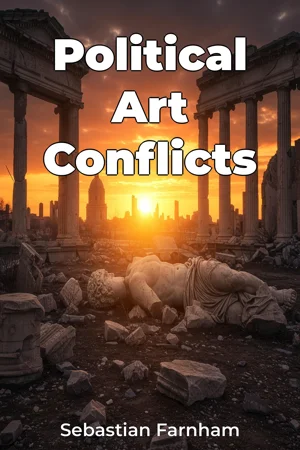
How have history's armed conflicts shaped the very art we value? "Political Art Conflicts" explores the multifaceted connections between warfare and artistic expression, examining how military actions have led to the looting, destruction, and deliberate manipulation of art for propaganda purposes across the globe. This book is a necessary examination of a frequently overlooked aspect of conflict: its enduring impact on cultural heritage and the politicization of artistic creation. We begin by establishing a foundational understanding of art's inherent vulnerability during wartime and exploring the evolution of international laws designed to protect cultural property. This context is crucial to understanding the ethical and legal frameworks that are often disregarded during periods of armed conflict. The core of "Political Art Conflicts" is structured around three central themes. First, we investigate the systematic looting and plundering of art as spoils of war, tracing examples from ancient conquests to modern-day conflicts. This section details the motivations behind art theft, the methods employed, and the devastating consequences for both individual artists and entire cultural identities. The book explores the challenges of repatriation and the ongoing debates surrounding the ownership of contested artworks. Second, the book analyzes the deliberate destruction of art as a tactic of cultural erasure and psychological warfare. This section examines instances where art has been targeted for its symbolic value, aiming to undermine enemy morale or eliminate opposing ideologies. From iconoclasm to the targeted destruction of monuments, we explore the motivations and impacts of these acts of cultural vandalism. Third, "Political Art Conflicts" elucidates the strategic utilization of art as a tool for propaganda. We explore how governments and political movements have commissioned, censored, or repurposed art to shape public opinion, bolster support for war efforts, and demonize enemies. This section includes analysis of various media, including posters, paintings, sculptures, and even architectural designs, demonstrating how artistic expression can be effectively weaponized. The book draws on a diverse range of sources, including historical archives, military records, eyewitness accounts, and art historical analyses. It also incorporates case studies from different historical periods and geographic regions, including but not limited to World War II, the Vietnam War, and conflicts in the Middle East. This interdisciplinary approach, blending military history, art history, and political science, provides a comprehensive understanding of the complex relationship between war and art. "Political Art Conflicts" differentiates itself by focusing on the active role of art within conflicts. By examining the specific political and military objectives that motivated the misuse or destruction of art, this book offers a nuanced perspective that goes beyond simple descriptions of loss or damage. Written in a clear and accessible style, "Political Art Conflicts" is aimed at a broad audience, including students of military history, art history enthusiasts, those interested in political science, and anyone seeking a deeper understanding of the cultural consequences of war. The book provides valuable insights for policymakers, museum professionals, and anyone involved in the preservation of cultural heritage. While the book covers a significant historical span, it is not intended to be an exhaustive catalog of every instance of art-related conflict but instead a focused exploration of key themes and representative examples. The book acknowledges ongoing debates surrounding cultural property rights and the ethics of art ownership. By understanding the historical interplay between political power, military conflict, and artistic creation, "Political Art Conflicts" encourages readers to consider the enduring value of art as a reflection of human history and a vital component of cultural identity. It calls for renewed efforts to protect artistic expression, safeguard cultural heritage, and prevent the exploitation of art for political gain.
How have history's armed conflicts shaped the very art we value? "Political Art Conflicts" explores the multifaceted connections between warfare and artistic expression, examining how military actions have led to the looting, destruction, and deliberate manipulation of art for propaganda purposes across the globe. This book is a necessary examination of a frequently overlooked aspect of conflict: its enduring impact on cultural heritage and the politicization of artistic creation. We begin by establishing a foundational understanding of art's inherent vulnerability during wartime and exploring the evolution of international laws designed to protect cultural property. This context is crucial to understanding the ethical and legal frameworks that are often disregarded during periods of armed conflict. The core of "Political Art Conflicts" is structured around three central themes. First, we investigate the systematic looting and plundering of art as spoils of war, tracing examples from ancient conquests to modern-day conflicts. This section details the motivations behind art theft, the methods employed, and the devastating consequences for both individual artists and entire cultural identities. The book explores the challenges of repatriation and the ongoing debates surrounding the ownership of contested artworks. Second, the book analyzes the deliberate destruction of art as a tactic of cultural erasure and psychological warfare. This section examines instances where art has been targeted for its symbolic value, aiming to undermine enemy morale or eliminate opposing ideologies. From iconoclasm to the targeted destruction of monuments, we explore the motivations and impacts of these acts of cultural vandalism. Third, "Political Art Conflicts" elucidates the strategic utilization of art as a tool for propaganda. We explore how governments and political movements have commissioned, censored, or repurposed art to shape public opinion, bolster support for war efforts, and demonize enemies. This section includes analysis of various media, including posters, paintings, sculptures, and even architectural designs, demonstrating how artistic expression can be effectively weaponized. The book draws on a diverse range of sources, including historical archives, military records, eyewitness accounts, and art historical analyses. It also incorporates case studies from different historical periods and geographic regions, including but not limited to World War II, the Vietnam War, and conflicts in the Middle East. This interdisciplinary approach, blending military history, art history, and political science, provides a comprehensive understanding of the complex relationship between war and art. "Political Art Conflicts" differentiates itself by focusing on the active role of art within conflicts. By examining the specific political and military objectives that motivated the misuse or destruction of art, this book offers a nuanced perspective that goes beyond simple descriptions of loss or damage. Written in a clear and accessible style, "Political Art Conflicts" is aimed at a broad audience, including students of military history, art history enthusiasts, those interested in political science, and anyone seeking a deeper understanding of the cultural consequences of war. The book provides valuable insights for policymakers, museum professionals, and anyone involved in the preservation of cultural heritage. While the book covers a significant historical span, it is not intended to be an exhaustive catalog of every instance of art-related conflict but instead a focused exploration of key themes and representative examples. The book acknowledges ongoing debates surrounding cultural property rights and the ethics of art ownership. By understanding the historical interplay between political power, military conflict, and artistic creation, "Political Art Conflicts" encourages readers to consider the enduring value of art as a reflection of human history and a vital component of cultural identity. It calls for renewed efforts to protect artistic expression, safeguard cultural heritage, and prevent the exploitation of art for political gain.
"Political Art Conflicts" delves into the intricate relationship between warfare and art, revealing how military actions have driven the looting, destruction, and manipulation of art for propaganda across history. The book explores the vulnerability of art during conflicts and the evolution of international laws intended to protect cultural property, laws often disregarded in wartime. It examines how art has been systematically stolen as spoils, deliberately destroyed as a tool for cultural erasure, and strategically used as propaganda to shape public opinion. The book is structured around these three central themes, drawing from historical archives, military records, and art historical analyses. Case studies span diverse periods and regions, including World War II and conflicts in the Middle East. The book differentiates itself by focusing on the active role of art within conflicts, examining the specific political and military objectives that motivated the misuse or destruction of art. Written for a broad audience, "Political Art Conflicts" offers a comprehensive understanding of the complex relationship between military history, art history, and political science. The book progresses by first establishing the landscape of art and war and then diving into how art is looted, destroyed, and used as propaganda. It encourages readers to consider the enduring value of art as a reflection of human history and a vital component of cultural identity.
Book Details
ISBN
9788233998165
Publisher
Publifye AS
Your Licenses
You don't own any licenses for this book
Purchase a license below to unlock this book and download the EPUB.
Purchase License
Select a tier to unlock this book
Need bulk licensing?
Contact us for enterprise agreements.