
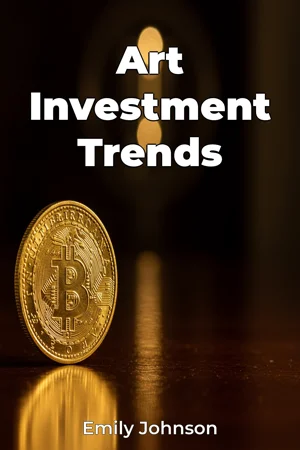
About This Book
Can art truly be considered a viable investment, or is it merely a passionate pursuit with speculative financial gains? "Art Investment Trends" delves into this complex question, offering a comprehensive exploration of art as an asset class, the risks and rewards of art collecting, and effective strategies for navigating this multifaceted market. This book is vital to anyone contemplating art investment, whether a seasoned investor or a newcomer drawn by the allure of the art world. The core of this book revolves around three pivotal themes: understanding art as an asset, assessing investment risks in the art market, and developing sound collection strategies. We begin by dissecting the concept of art as an asset, moving beyond subjective appreciation to analyze its objective financial characteristics, including valuation methodologies, market performance indicators, and historical price trends. We examine how macroeconomic factors, geopolitical events, and evolving cultural tastes influence the art market's dynamics. Understanding these elements is crucial for gauging the true investment potential of art. Next, we confront the inherent investment risks within the art market. These risks extend far beyond simple price fluctuations and include issues such as authenticity concerns, storage and insurance costs, liquidity challenges, and the potential for fraud or market manipulation. We provide in-depth analyses of past market bubbles and crashes, offering lessons on how to mitigate risks and safeguard investments. Recognizing these potential pitfalls is paramount for making informed decisions and protecting one's financial interests. Finally, we explore practical collection strategies for building a sustainable and rewarding art portfolio. This includes guidance on identifying promising artists, diversifying holdings across different genres and periods, conducting due diligence on acquisitions, and optimizing sales strategies. We cover the importance of establishing relationships with galleries, auction houses, and art advisors, as well as the role of art fairs and online platforms in the contemporary art market. The book's argument centers on the premise that successful art investment requires a disciplined, informed approach combining passion with rigorous financial analysis. We don't simply advocate for art investment; instead, we empower readers with the knowledge and tools necessary to make prudent decisions and foster a sustainable engagement with the art world. The book unfolds in a logical sequence. First, it establishes the foundation by defining art as an asset and outlining the key players in the art market. The second part builds upon this foundation by examining the various risks involved, providing case studies of both successful and unsuccessful art investments. Finally, the third part synthesizes this knowledge into actionable strategies for building and managing an art portfolio, offering practical advice on everything from valuation techniques to estate planning. The evidence presented throughout the book is drawn from a variety of sources, including auction records, gallery sales data, economic indicators, and expert interviews with art world professionals. We also draw on academic research in finance, art history, and market analysis to provide a balanced and well-supported perspective. "Art Investment Trends" intersects with several other fields, including finance, art history, and sociology. Its connection to finance is obvious, as it applies investment principles to the art market. Its grounding in art history helps provide context to the value of artworks. Finally, sociology helps explain changing tastes and fashions that affect the market. Our unique approach lies in integrating rigorous financial analysis with a deep appreciation for the aesthetic and cultural value of art. We go beyond surface-level observations to provide a sophisticated and nuanced understanding of the art market's complexities. The tone of the book is educational and analytical, aiming to inform and empower readers with practical knowledge. We avoid jargon and strive to make complex concepts accessible to a broad audience. The target audience includes both seasoned investors looking to diversify their portfolios and art enthusiasts interested in turning their passion into a financially rewarding pursuit. This book is valuable to anyone seeking a comprehensive and unbiased guide to the world of art investment. As a work of financial non-fiction, this book adheres to the conventions of accuracy, objectivity, and transparency. We cite our sources meticulously and present information in a clear and unbiased manner. While this book provides comprehensive coverage of art investment trends, its scope is limited to the financial aspects of art. It does not delve into the artistic or cultural significance of specific works of art, although it acknowledges their importance in valuation. The practical applications of this book are numerous. Readers can use the information provided to make informed investment decisions, assess the risks and rewards of art collecting, and develop effective strategies for building and managing an art portfolio. Finally, the book addresses ongoing debates within the field, such as the role of speculation in the art market, the impact of globalization on art prices, and the ethical considerations of art investment. By acknowledging these controversies, we provide a balanced and nuanced perspective on the complexities of the art world.
Can art truly be considered a viable investment, or is it merely a passionate pursuit with speculative financial gains? "Art Investment Trends" delves into this complex question, offering a comprehensive exploration of art as an asset class, the risks and rewards of art collecting, and effective strategies for navigating this multifaceted market. This book is vital to anyone contemplating art investment, whether a seasoned investor or a newcomer drawn by the allure of the art world. The core of this book revolves around three pivotal themes: understanding art as an asset, assessing investment risks in the art market, and developing sound collection strategies. We begin by dissecting the concept of art as an asset, moving beyond subjective appreciation to analyze its objective financial characteristics, including valuation methodologies, market performance indicators, and historical price trends. We examine how macroeconomic factors, geopolitical events, and evolving cultural tastes influence the art market's dynamics. Understanding these elements is crucial for gauging the true investment potential of art. Next, we confront the inherent investment risks within the art market. These risks extend far beyond simple price fluctuations and include issues such as authenticity concerns, storage and insurance costs, liquidity challenges, and the potential for fraud or market manipulation. We provide in-depth analyses of past market bubbles and crashes, offering lessons on how to mitigate risks and safeguard investments. Recognizing these potential pitfalls is paramount for making informed decisions and protecting one's financial interests. Finally, we explore practical collection strategies for building a sustainable and rewarding art portfolio. This includes guidance on identifying promising artists, diversifying holdings across different genres and periods, conducting due diligence on acquisitions, and optimizing sales strategies. We cover the importance of establishing relationships with galleries, auction houses, and art advisors, as well as the role of art fairs and online platforms in the contemporary art market. The book's argument centers on the premise that successful art investment requires a disciplined, informed approach combining passion with rigorous financial analysis. We don't simply advocate for art investment; instead, we empower readers with the knowledge and tools necessary to make prudent decisions and foster a sustainable engagement with the art world. The book unfolds in a logical sequence. First, it establishes the foundation by defining art as an asset and outlining the key players in the art market. The second part builds upon this foundation by examining the various risks involved, providing case studies of both successful and unsuccessful art investments. Finally, the third part synthesizes this knowledge into actionable strategies for building and managing an art portfolio, offering practical advice on everything from valuation techniques to estate planning. The evidence presented throughout the book is drawn from a variety of sources, including auction records, gallery sales data, economic indicators, and expert interviews with art world professionals. We also draw on academic research in finance, art history, and market analysis to provide a balanced and well-supported perspective. "Art Investment Trends" intersects with several other fields, including finance, art history, and sociology. Its connection to finance is obvious, as it applies investment principles to the art market. Its grounding in art history helps provide context to the value of artworks. Finally, sociology helps explain changing tastes and fashions that affect the market. Our unique approach lies in integrating rigorous financial analysis with a deep appreciation for the aesthetic and cultural value of art. We go beyond surface-level observations to provide a sophisticated and nuanced understanding of the art market's complexities. The tone of the book is educational and analytical, aiming to inform and empower readers with practical knowledge. We avoid jargon and strive to make complex concepts accessible to a broad audience. The target audience includes both seasoned investors looking to diversify their portfolios and art enthusiasts interested in turning their passion into a financially rewarding pursuit. This book is valuable to anyone seeking a comprehensive and unbiased guide to the world of art investment. As a work of financial non-fiction, this book adheres to the conventions of accuracy, objectivity, and transparency. We cite our sources meticulously and present information in a clear and unbiased manner. While this book provides comprehensive coverage of art investment trends, its scope is limited to the financial aspects of art. It does not delve into the artistic or cultural significance of specific works of art, although it acknowledges their importance in valuation. The practical applications of this book are numerous. Readers can use the information provided to make informed investment decisions, assess the risks and rewards of art collecting, and develop effective strategies for building and managing an art portfolio. Finally, the book addresses ongoing debates within the field, such as the role of speculation in the art market, the impact of globalization on art prices, and the ethical considerations of art investment. By acknowledging these controversies, we provide a balanced and nuanced perspective on the complexities of the art world.
"Art Investment Trends" explores the intriguing intersection of finance and art, examining whether art can be a truly viable investment or simply a speculative passion. The book delves into understanding art as an asset, assessing investment risks, and developing sound collection strategies. For instance, it analyzes how macroeconomic factors and cultural shifts influence the art market, providing a framework for gauging true investment potential. It uniquely combines financial analysis with an appreciation for art's aesthetic and cultural value. This book also confronts inherent risks, such as authenticity concerns and market manipulation, offering insights into past market crashes to help safeguard investments. It progresses logically, first defining art as an asset, then examining risks with case studies, and finally synthesizing knowledge into actionable strategies for managing an art portfolio. By empowering readers with knowledge and tools, "Art Investment Trends" guides both seasoned investors and art enthusiasts toward making informed decisions in the art world.
Book Details
ISBN
9788233998011
Publisher
Publifye AS
Your Licenses
You don't own any licenses for this book
Purchase a license below to unlock this book and download the EPUB.
Purchase License
Select a tier to unlock this book
Need bulk licensing?
Contact us for enterprise agreements.