
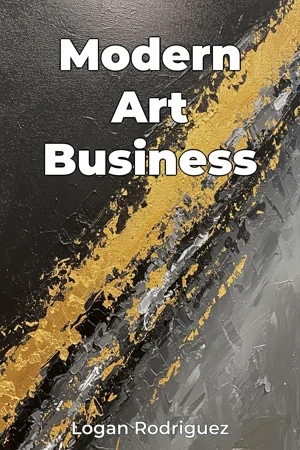
About This Book
How is a painting worth millions of dollars? Modern Art Business delves into the complex ecosystem where artistic vision meets market forces, exploring the valuation, sales strategies, and marketing techniques currently shaping the contemporary art world. Two critical areas drive this examination: the subjective nature of artistic value and the increasingly globalized art market dynamics. Understanding these facets is essential for anyone navigating or seeking to comprehend this intricate industry. To properly contextualize the current market, this book first examines the historical evolution of art valuation, from patronage systems to the rise of art dealers and auction houses. The book then transitions to the core argument: that the contemporary art market operates through a delicate interplay of perceived aesthetic quality, strategic marketing, and the creation of artificial scarcity, all within a globalized network of collectors, institutions, and intermediaries. The book unfolds in three major sections. First, it establishes the foundation by defining key concepts such as "artistic value," "marketability," and "investment potential," while exploring the roles of various market participants—artists, dealers, collectors, critics, and auction houses. This section also addresses issues of authenticity, provenance, and the impact of art fairs and biennials. The second section examines the marketing and sales strategies employed within the contemporary art world. Chapters will analyze branding techniques for artists, the power of art criticism and curatorial endorsements, and the psychology of collecting. This includes strategies for building an artist's reputation, pricing artwork, and negotiating sales. Special attention is paid to digital marketing and the impact of online platforms. The third section addresses the globalization of the art market, focusing on emerging markets like China, India, and the Middle East. This section explores the influence of global economic trends, cultural exchange, and international art law, and discusses the ethical challenges that arise from this expansion. It culminates in an analysis of the future of the art market, considering the potential impact of new technologies, shifting demographics, and evolving consumer preferences. The evidence presented will be drawn from a combination of sources, including market analysis reports, auction house data, interviews with art professionals, and case studies of successful and unsuccessful art business ventures. The research will incorporate both quantitative data on sales and prices, as well as qualitative insights into the motivations and strategies of key players. The book connects to several other fields. Finance is relevant through the lens of art as an alternative investment. Sociology informs the analysis of collector behavior and the social dynamics of the art world. Law provides a framework for understanding copyright, contracts, and international trade regulations related to art. These interdisciplinary connections enrich the understanding of art's place in society. This book offers a different perspective by bridging the gap between artistic appreciation and sound business practices, revealing strategies for those seeking to succeed in the art world. Written in a clear and engaging style, Modern Art Business is aimed at a diverse audience: artists seeking to manage their careers, art collectors looking to make informed decisions, students and scholars of art history and business, and anyone interested in the inner workings of the art market. It offers practical insights and analytical tools for understanding the complexities of this captivating industry. The book focuses primarily on the visual arts, specifically painting, sculpture, photography, and installation art created from the late 20th century to the present. It does not delve deeply into other art forms such as music, dance, or theater. The information presented can be practically applied to career management by artists, business strategy by art galleries, investment decisions by collectors, and policy decisions by arts organizations. Finally, the book engages with ongoing debates surrounding the impact of speculation on artistic value, the ethical implications of art as a commodity, and the challenges of ensuring diversity and inclusion in the art world.
How is a painting worth millions of dollars? Modern Art Business delves into the complex ecosystem where artistic vision meets market forces, exploring the valuation, sales strategies, and marketing techniques currently shaping the contemporary art world. Two critical areas drive this examination: the subjective nature of artistic value and the increasingly globalized art market dynamics. Understanding these facets is essential for anyone navigating or seeking to comprehend this intricate industry. To properly contextualize the current market, this book first examines the historical evolution of art valuation, from patronage systems to the rise of art dealers and auction houses. The book then transitions to the core argument: that the contemporary art market operates through a delicate interplay of perceived aesthetic quality, strategic marketing, and the creation of artificial scarcity, all within a globalized network of collectors, institutions, and intermediaries. The book unfolds in three major sections. First, it establishes the foundation by defining key concepts such as "artistic value," "marketability," and "investment potential," while exploring the roles of various market participants—artists, dealers, collectors, critics, and auction houses. This section also addresses issues of authenticity, provenance, and the impact of art fairs and biennials. The second section examines the marketing and sales strategies employed within the contemporary art world. Chapters will analyze branding techniques for artists, the power of art criticism and curatorial endorsements, and the psychology of collecting. This includes strategies for building an artist's reputation, pricing artwork, and negotiating sales. Special attention is paid to digital marketing and the impact of online platforms. The third section addresses the globalization of the art market, focusing on emerging markets like China, India, and the Middle East. This section explores the influence of global economic trends, cultural exchange, and international art law, and discusses the ethical challenges that arise from this expansion. It culminates in an analysis of the future of the art market, considering the potential impact of new technologies, shifting demographics, and evolving consumer preferences. The evidence presented will be drawn from a combination of sources, including market analysis reports, auction house data, interviews with art professionals, and case studies of successful and unsuccessful art business ventures. The research will incorporate both quantitative data on sales and prices, as well as qualitative insights into the motivations and strategies of key players. The book connects to several other fields. Finance is relevant through the lens of art as an alternative investment. Sociology informs the analysis of collector behavior and the social dynamics of the art world. Law provides a framework for understanding copyright, contracts, and international trade regulations related to art. These interdisciplinary connections enrich the understanding of art's place in society. This book offers a different perspective by bridging the gap between artistic appreciation and sound business practices, revealing strategies for those seeking to succeed in the art world. Written in a clear and engaging style, Modern Art Business is aimed at a diverse audience: artists seeking to manage their careers, art collectors looking to make informed decisions, students and scholars of art history and business, and anyone interested in the inner workings of the art market. It offers practical insights and analytical tools for understanding the complexities of this captivating industry. The book focuses primarily on the visual arts, specifically painting, sculpture, photography, and installation art created from the late 20th century to the present. It does not delve deeply into other art forms such as music, dance, or theater. The information presented can be practically applied to career management by artists, business strategy by art galleries, investment decisions by collectors, and policy decisions by arts organizations. Finally, the book engages with ongoing debates surrounding the impact of speculation on artistic value, the ethical implications of art as a commodity, and the challenges of ensuring diversity and inclusion in the art world.
"Modern Art Business" explores the intersection of artistic creation and market dynamics within the contemporary art world. It examines how subjective artistic value intertwines with strategic marketing and the creation of scarcity, influencing the worth of modern art. The book reveals that the perceived aesthetic quality, branding techniques, and endorsements from art critics play significant roles in establishing an artist's reputation and driving sales. It further investigates the globalization of the art market, especially the impact of emerging markets like China and the Middle East, and how these markets influence global economic trends and cultural exchange. The book progresses through three sections, beginning with foundational concepts like "artistic value" and the roles of key players such as artists, dealers, and collectors. It then analyzes marketing and sales strategies, including digital marketing and methods for pricing artwork. Finally, it addresses the globalization of the art market and discusses the ethical challenges that arise from this expansion. By combining market analysis, interviews, and case studies, the book provides insights into the motivations and strategies used by key players in the art world.
Book Details
ISBN
9788233997816
Publisher
Publifye AS
Your Licenses
You don't own any licenses for this book
Purchase a license below to unlock this book and download the EPUB.
Purchase License
Select a tier to unlock this book
Need bulk licensing?
Contact us for enterprise agreements.