
About This Book
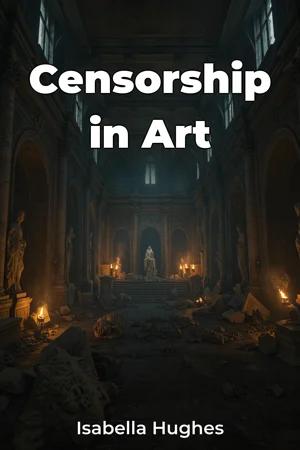
Why have artistic expressions throughout history been deemed so threatening that they warranted suppression, alteration, or outright destruction? "Censorship in Art" delves into the multifaceted history of art censorship, exploring the complex interplay between governments, religious institutions, societal norms, and individual artistic expression. This book examines how these forces have shaped, controlled, and at times, extinguished artistic endeavors across various cultures and eras. Understanding the history of art censorship is crucial for comprehending the evolving relationship between power, ideology, and creative freedom, informing contemporary debates about artistic expression and its limits. This book will investigate the motivations behind censorship through different historical periods, focusing on religious, political, and moral justifications. It analyzes how these motivations have manifested in concrete actions, from iconoclasm and book burning to the suppression of theatrical performances and the manipulation of art markets. We will explore specific case studies, ranging from the destruction of religious icons during the Byzantine Empire to the suppression of avant-garde movements in 20th-century totalitarian regimes. The book's central argument is that censorship in art is not merely a series of isolated incidents, but rather a recurring phenomenon intrinsically linked to power structures and the fear of dissent or subversion. "Censorship in Art" is structured to provide a comprehensive overview of this complex subject. The introduction establishes the key definitions and theoretical frameworks for understanding censorship. Subsequent chapters chronologically explore censorship across different historical periods and geographical regions. We will analyze the role of the Church during the Reformation, the impact of political ideologies on artistic production during the French Revolution, and the challenges faced by artists under authoritarian regimes in the 20th and 21st centuries. The book culminates in a discussion of contemporary forms of censorship, including self-censorship, market pressures, and the impact of social media on artistic expression. The evidence presented in this book draws from a wide range of sources, including primary documents such as official decrees, court records, artists' letters, and critical reviews. It also incorporates secondary scholarship from art history, political science, sociology, and legal studies. The book employs an interdisciplinary approach, drawing connections between art history and fields such as political science (analyzing the relationship between art and state power), sociology (examining the role of art in shaping social norms), and law (investigating legal frameworks governing artistic expression). A unique aspect of this book is its examination of how censorship, paradoxically, can sometimes foster creativity and resistance. Artists often find innovative ways to circumvent restrictions, using coded messages or subversive imagery to challenge authority. This book aims to offer a balanced perspective, acknowledging both the destructive impact of censorship and its potential to inspire artistic ingenuity. Written in an accessible yet scholarly tone, "Censorship in Art" is intended for students, art enthusiasts, historians, and anyone interested in the intersection of art, power, and society. The book will equip readers with a deeper understanding of the historical context surrounding artistic freedom and the ongoing challenges faced by artists around the world. While the book aims to provide a broad overview of censorship in art history, it acknowledges the limitations of covering every instance of censorship in all its forms. The focus is on providing a representative selection of case studies that illustrate the key themes and arguments. The information presented in this book has numerous real-world applications. It can inform debates about freedom of speech, cultural heritage preservation, and the role of art in promoting social change. By understanding the historical patterns of censorship, we can better identify and resist contemporary attempts to control artistic expression. The book also addresses ongoing controversies surrounding cultural appropriation, the removal of statues and monuments, and the responsibility of artists to address social and political issues in their work.
Why have artistic expressions throughout history been deemed so threatening that they warranted suppression, alteration, or outright destruction? "Censorship in Art" delves into the multifaceted history of art censorship, exploring the complex interplay between governments, religious institutions, societal norms, and individual artistic expression. This book examines how these forces have shaped, controlled, and at times, extinguished artistic endeavors across various cultures and eras. Understanding the history of art censorship is crucial for comprehending the evolving relationship between power, ideology, and creative freedom, informing contemporary debates about artistic expression and its limits. This book will investigate the motivations behind censorship through different historical periods, focusing on religious, political, and moral justifications. It analyzes how these motivations have manifested in concrete actions, from iconoclasm and book burning to the suppression of theatrical performances and the manipulation of art markets. We will explore specific case studies, ranging from the destruction of religious icons during the Byzantine Empire to the suppression of avant-garde movements in 20th-century totalitarian regimes. The book's central argument is that censorship in art is not merely a series of isolated incidents, but rather a recurring phenomenon intrinsically linked to power structures and the fear of dissent or subversion. "Censorship in Art" is structured to provide a comprehensive overview of this complex subject. The introduction establishes the key definitions and theoretical frameworks for understanding censorship. Subsequent chapters chronologically explore censorship across different historical periods and geographical regions. We will analyze the role of the Church during the Reformation, the impact of political ideologies on artistic production during the French Revolution, and the challenges faced by artists under authoritarian regimes in the 20th and 21st centuries. The book culminates in a discussion of contemporary forms of censorship, including self-censorship, market pressures, and the impact of social media on artistic expression. The evidence presented in this book draws from a wide range of sources, including primary documents such as official decrees, court records, artists' letters, and critical reviews. It also incorporates secondary scholarship from art history, political science, sociology, and legal studies. The book employs an interdisciplinary approach, drawing connections between art history and fields such as political science (analyzing the relationship between art and state power), sociology (examining the role of art in shaping social norms), and law (investigating legal frameworks governing artistic expression). A unique aspect of this book is its examination of how censorship, paradoxically, can sometimes foster creativity and resistance. Artists often find innovative ways to circumvent restrictions, using coded messages or subversive imagery to challenge authority. This book aims to offer a balanced perspective, acknowledging both the destructive impact of censorship and its potential to inspire artistic ingenuity. Written in an accessible yet scholarly tone, "Censorship in Art" is intended for students, art enthusiasts, historians, and anyone interested in the intersection of art, power, and society. The book will equip readers with a deeper understanding of the historical context surrounding artistic freedom and the ongoing challenges faced by artists around the world. While the book aims to provide a broad overview of censorship in art history, it acknowledges the limitations of covering every instance of censorship in all its forms. The focus is on providing a representative selection of case studies that illustrate the key themes and arguments. The information presented in this book has numerous real-world applications. It can inform debates about freedom of speech, cultural heritage preservation, and the role of art in promoting social change. By understanding the historical patterns of censorship, we can better identify and resist contemporary attempts to control artistic expression. The book also addresses ongoing controversies surrounding cultural appropriation, the removal of statues and monuments, and the responsibility of artists to address social and political issues in their work.
"Censorship in Art" explores the suppression of artistic expression throughout history, examining the motivations and methods employed by governments, religious institutions, and societal norms. It highlights the recurring tension between power, ideology, and creative freedom, showcasing instances where art has been altered, destroyed, or forbidden due to its perceived threat to established orders. For example, the book delves into the destruction of religious icons during the Byzantine Empire and the suppression of avant-garde movements under 20th-century totalitarian regimes, demonstrating censorship's pervasive impact across cultures and eras. The book adopts a chronological approach, beginning with key definitions and theoretical frameworks before delving into specific historical periods and geographical regions. It analyzes the influence of the Church during the Reformation, the impact of political ideologies during the French Revolution, and the challenges artists face under authoritarian regimes. Interestingly, "Censorship in Art" also considers how restrictions can paradoxically inspire creativity and resistance, pushing artists to develop innovative, subversive methods of expression, thus offering a balanced perspective on the destructive and generative forces of censorship and its relation to artistic freedom, dissent, and the subversion of social norms.
Book Details
ISBN
9788233997779
Publisher
Publifye AS
Your Licenses
You don't own any licenses for this book
Purchase a license below to unlock this book and download the EPUB.
Purchase License
Select a tier to unlock this book
Need bulk licensing?
Contact us for enterprise agreements.