
About This Book
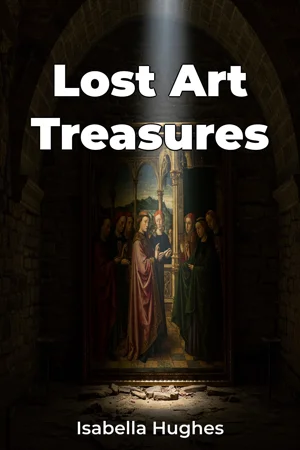
Imagine a world where masterpieces vanish without a trace, leaving behind only mysteries and unanswered questions. "Lost Art Treasures" delves into the captivating stories of famous artworks that have been stolen, misplaced, or simply lost to time, examining their disappearances and the persistent efforts to recover them. These lost treasures are not merely valuable objects; they represent significant cultural and historical touchstones, and their absence leaves a void in our understanding of art history. This book focuses on three key areas: the circumstances surrounding the loss of iconic artworks, the investigative processes employed in their pursuit, and the profound impact these disappearances have on the art world and collective memory. We explore the historical context of each loss, examining the social and political climates that may have contributed to the thefts or disappearances. Understanding these contexts is crucial for appreciating the challenges faced by investigators and the motivations of those involved, whether thieves, private collectors, or even governments. "Lost Art Treasures" presents a meticulously researched account of the most significant cases of missing art. We begin by introducing the reader to the concept of art crime and its prevalence throughout history, dispelling common misconceptions and highlighting the sophisticated networks involved. We then transition into detailed narratives of specific lost works like the "Just Judges" panel of the Ghent Altarpiece, stolen in 1934, or the Amber Room, looted during World War II. Each case is examined through the lens of historical evidence, forensic analysis, and art historical scholarship. The central argument of this book is that the pursuit and potential recovery of lost art treasures are vital not only for restoring cultural heritage but also for understanding complex narratives of power, conflict, and human ambition. The recovery of these works represents a symbolic reclaiming of history and identity. The book presents a comprehensive look at the methods used to locate missing art, including investigative techniques from law enforcement, art historians, and even amateur sleuths. We will cover topics from provenance research and forensic analysis to the role of informants and undercover operations. The final chapters consider the ethical implications of art recovery, addressing questions of ownership, restitution, and the balance between public access and private rights. The evidence presented within draws from diverse sources, including archival documents, police reports, witness testimonies, and the analysis of surviving fragments or related artworks. We will also examine the technological advancements used in art crime investigation, such as facial recognition software and advanced imaging techniques. "Lost Art Treasures" also connects to fields such as criminology, exploring the psychology of art theft, and international law, examining the legal frameworks governing the protection and repatriation of cultural property. Further, it touches upon political science through instances where missing art is intertwined with geopolitical conflicts. What makes "Lost Art Treasures" unique is its comprehensive, interdisciplinary approach. The book moves beyond simple recounting of events and delves into the underlying motivations, the investigative processes, and the ethical considerations surrounding the world of stolen art. Written in a style that balances scholarly rigor with engaging storytelling, this book is intended for a broad audience including art enthusiasts, history buffs, true crime aficionados, and anyone interested in the intersection of art, history, and mystery. It is particularly valuable for students and researchers in art history, criminology, and cultural heritage management. As a work of non-fiction, this book adheres to the highest standards of accuracy and objectivity, presenting information in a balanced and unbiased manner. While the book strives to cover a wide range of cases, the focus is primarily on Western art traditions due to limitations of scope and available research. "Lost Art Treasures" offers readers a deeper understanding of the persistent efforts to preserve cultural heritage. It provides a framework for thinking critically about the value we place on art and the importance of protecting it for future generations. While numerous books have touched on individual cases of lost art, this work brings together multiple perspectives to explore the broader themes of cultural loss, investigation, and recovery. We do, however, acknowledge that controversies often surround claims of ownership and authenticity in the art world, which we address with sensitivity and impartiality.
Imagine a world where masterpieces vanish without a trace, leaving behind only mysteries and unanswered questions. "Lost Art Treasures" delves into the captivating stories of famous artworks that have been stolen, misplaced, or simply lost to time, examining their disappearances and the persistent efforts to recover them. These lost treasures are not merely valuable objects; they represent significant cultural and historical touchstones, and their absence leaves a void in our understanding of art history. This book focuses on three key areas: the circumstances surrounding the loss of iconic artworks, the investigative processes employed in their pursuit, and the profound impact these disappearances have on the art world and collective memory. We explore the historical context of each loss, examining the social and political climates that may have contributed to the thefts or disappearances. Understanding these contexts is crucial for appreciating the challenges faced by investigators and the motivations of those involved, whether thieves, private collectors, or even governments. "Lost Art Treasures" presents a meticulously researched account of the most significant cases of missing art. We begin by introducing the reader to the concept of art crime and its prevalence throughout history, dispelling common misconceptions and highlighting the sophisticated networks involved. We then transition into detailed narratives of specific lost works like the "Just Judges" panel of the Ghent Altarpiece, stolen in 1934, or the Amber Room, looted during World War II. Each case is examined through the lens of historical evidence, forensic analysis, and art historical scholarship. The central argument of this book is that the pursuit and potential recovery of lost art treasures are vital not only for restoring cultural heritage but also for understanding complex narratives of power, conflict, and human ambition. The recovery of these works represents a symbolic reclaiming of history and identity. The book presents a comprehensive look at the methods used to locate missing art, including investigative techniques from law enforcement, art historians, and even amateur sleuths. We will cover topics from provenance research and forensic analysis to the role of informants and undercover operations. The final chapters consider the ethical implications of art recovery, addressing questions of ownership, restitution, and the balance between public access and private rights. The evidence presented within draws from diverse sources, including archival documents, police reports, witness testimonies, and the analysis of surviving fragments or related artworks. We will also examine the technological advancements used in art crime investigation, such as facial recognition software and advanced imaging techniques. "Lost Art Treasures" also connects to fields such as criminology, exploring the psychology of art theft, and international law, examining the legal frameworks governing the protection and repatriation of cultural property. Further, it touches upon political science through instances where missing art is intertwined with geopolitical conflicts. What makes "Lost Art Treasures" unique is its comprehensive, interdisciplinary approach. The book moves beyond simple recounting of events and delves into the underlying motivations, the investigative processes, and the ethical considerations surrounding the world of stolen art. Written in a style that balances scholarly rigor with engaging storytelling, this book is intended for a broad audience including art enthusiasts, history buffs, true crime aficionados, and anyone interested in the intersection of art, history, and mystery. It is particularly valuable for students and researchers in art history, criminology, and cultural heritage management. As a work of non-fiction, this book adheres to the highest standards of accuracy and objectivity, presenting information in a balanced and unbiased manner. While the book strives to cover a wide range of cases, the focus is primarily on Western art traditions due to limitations of scope and available research. "Lost Art Treasures" offers readers a deeper understanding of the persistent efforts to preserve cultural heritage. It provides a framework for thinking critically about the value we place on art and the importance of protecting it for future generations. While numerous books have touched on individual cases of lost art, this work brings together multiple perspectives to explore the broader themes of cultural loss, investigation, and recovery. We do, however, acknowledge that controversies often surround claims of ownership and authenticity in the art world, which we address with sensitivity and impartiality.
"Lost Art Treasures" explores the shadowy world of stolen, missing, and misplaced masterpieces, delving into the circumstances of their disappearances and the ongoing quests for their recovery. These treasures represent more than mere monetary value; they are vital pieces of our cultural heritage, and their absence leaves a significant void in our understanding of art history. The book examines famous cases, such as the "Just Judges" panel of the Ghent Altarpiece and the Amber Room, highlighting the historical context, investigative processes, and the impact of these losses on the art world. The book uniquely blends art history with elements of criminology and international law. It presents meticulously researched accounts, drawing from diverse sources like archival documents and forensic analysis, to reveal the sophisticated networks involved in art crime. The narrative progresses from an introduction of the concept of art crime through detailed narratives of specific lost works, concluding with ethical implications of art recovery.
Book Details
ISBN
9788233997755
Publisher
Publifye AS
Your Licenses
You don't own any licenses for this book
Purchase a license below to unlock this book and download the EPUB.
Purchase License
Select a tier to unlock this book
Need bulk licensing?
Contact us for enterprise agreements.