
About This Book
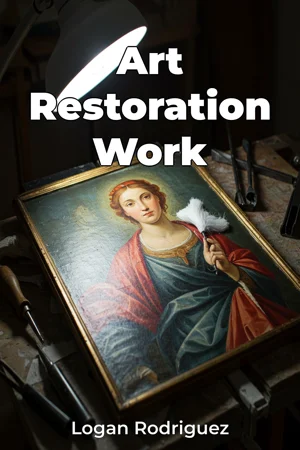
Have you ever wondered how a centuries-old painting, scarred by time and circumstance, can be brought back to life while still retaining its original spirit? "Art Restoration Work" delves into the complex world of art restoration, exploring the ethical dilemmas, scientific techniques, and historical context that define this fascinating field. This book addresses the critical need to understand the methods used to preserve our shared cultural heritage, offering insights into the meticulous processes that protect paintings, sculptures, and artifacts for future generations. This book focuses on three key areas: the history and ethics of art restoration, the scientific methods employed in conservation, and the practical application of these techniques. Understanding how restoration practices have evolved over time is crucial, as past approaches often differed significantly from modern, more conservative methods. Ethical considerations are paramount; restorers must grapple with questions of authenticity, interpretation, and the potential for irreversible alterations. The scientific aspect involves a deep dive into the materials used in art creation and the chemical and physical processes that cause deterioration, requiring the application of cutting-edge analytical techniques. Art restoration is not conducted in a vacuum; it is heavily influenced by historical context and societal values. The book explores how changing attitudes toward art preservation, influenced by events like wars and technological advancements, have shaped restoration practices. A basic understanding of art history and materials science is beneficial but not essential, as the book provides clear explanations of key concepts. The central argument of "Art Restoration Work" underscores the delicate balance between preserving the historical integrity of an artwork and ensuring its long-term survival. It emphasizes that effective restoration is not merely a technical exercise but a responsible stewardship of cultural heritage, demanding a nuanced understanding of art history, scientific principles, and ethical considerations. The book begins by introducing the fundamental principles of art restoration, tracing its evolution from early, often invasive, interventions to today’s emphasis on minimal intervention and reversibility. It then explores the major scientific techniques used to assess the condition of artworks, identify materials, and monitor the effects of conservation treatments. Specific chapters are dedicated to the restoration of paintings, sculptures, and artifacts made from diverse materials, such as canvas, wood, stone, and metal. The book culminates with a discussion of the ethical challenges facing restorers today, including issues of authenticity, interpretation, and the role of technology. Practical case studies illustrate the complexities and potential pitfalls of restoration projects. The arguments presented are supported by extensive research, drawing on scientific analyses, historical documents, and firsthand accounts from experienced art restorers. The book incorporates data from museum archives, conservation laboratories, and academic publications, offering a comprehensive overview of the field. "Art Restoration Work" connects to several other fields, including archaeology, materials science, and cultural heritage management. Archaeologists rely on restoration techniques to preserve artifacts unearthed from excavation sites. Materials scientists contribute to the development of new conservation materials and methods. Cultural heritage managers establish policies and guidelines for the preservation of cultural property. These interdisciplinary connections enrich the book's argument by demonstrating the broader relevance of art restoration in preserving our collective history. A unique aspect of this book is its focus on the decision-making processes of art restorers, highlighting the thought processes and ethical considerations that guide their work. It moves beyond simply describing restoration techniques to explore the rationale behind them. Written in an accessible yet informative style, "Art Restoration Work" is designed for art enthusiasts, students of art history and conservation, and anyone interested in the preservation of cultural heritage. This book serves as a valuable resource, offering a comprehensive and nuanced understanding of the complexities of art restorartion work. The scope of the book encompasses a wide range of art forms and restoration techniques, but it does not delve into the specifics of restoring every type of object. Instead, it focuses on providing a general framework for understanding the principles and practices of art restoration. The information presented in the book can be applied practically by readers interested in learning more about art conservation, assessing the condition of artworks, or supporting conservation efforts. It provides insights into the factors that influence the longevity of artworks and the steps that can be taken to protect them. The book acknowledges ongoing debates within the field of art restoration, such as the appropriate level of intervention and the role of digital technologies in conservation. These controversies are presented in a balanced and objective manner, encouraging readers to form their own informed opinions.
Have you ever wondered how a centuries-old painting, scarred by time and circumstance, can be brought back to life while still retaining its original spirit? "Art Restoration Work" delves into the complex world of art restoration, exploring the ethical dilemmas, scientific techniques, and historical context that define this fascinating field. This book addresses the critical need to understand the methods used to preserve our shared cultural heritage, offering insights into the meticulous processes that protect paintings, sculptures, and artifacts for future generations. This book focuses on three key areas: the history and ethics of art restoration, the scientific methods employed in conservation, and the practical application of these techniques. Understanding how restoration practices have evolved over time is crucial, as past approaches often differed significantly from modern, more conservative methods. Ethical considerations are paramount; restorers must grapple with questions of authenticity, interpretation, and the potential for irreversible alterations. The scientific aspect involves a deep dive into the materials used in art creation and the chemical and physical processes that cause deterioration, requiring the application of cutting-edge analytical techniques. Art restoration is not conducted in a vacuum; it is heavily influenced by historical context and societal values. The book explores how changing attitudes toward art preservation, influenced by events like wars and technological advancements, have shaped restoration practices. A basic understanding of art history and materials science is beneficial but not essential, as the book provides clear explanations of key concepts. The central argument of "Art Restoration Work" underscores the delicate balance between preserving the historical integrity of an artwork and ensuring its long-term survival. It emphasizes that effective restoration is not merely a technical exercise but a responsible stewardship of cultural heritage, demanding a nuanced understanding of art history, scientific principles, and ethical considerations. The book begins by introducing the fundamental principles of art restoration, tracing its evolution from early, often invasive, interventions to today’s emphasis on minimal intervention and reversibility. It then explores the major scientific techniques used to assess the condition of artworks, identify materials, and monitor the effects of conservation treatments. Specific chapters are dedicated to the restoration of paintings, sculptures, and artifacts made from diverse materials, such as canvas, wood, stone, and metal. The book culminates with a discussion of the ethical challenges facing restorers today, including issues of authenticity, interpretation, and the role of technology. Practical case studies illustrate the complexities and potential pitfalls of restoration projects. The arguments presented are supported by extensive research, drawing on scientific analyses, historical documents, and firsthand accounts from experienced art restorers. The book incorporates data from museum archives, conservation laboratories, and academic publications, offering a comprehensive overview of the field. "Art Restoration Work" connects to several other fields, including archaeology, materials science, and cultural heritage management. Archaeologists rely on restoration techniques to preserve artifacts unearthed from excavation sites. Materials scientists contribute to the development of new conservation materials and methods. Cultural heritage managers establish policies and guidelines for the preservation of cultural property. These interdisciplinary connections enrich the book's argument by demonstrating the broader relevance of art restoration in preserving our collective history. A unique aspect of this book is its focus on the decision-making processes of art restorers, highlighting the thought processes and ethical considerations that guide their work. It moves beyond simply describing restoration techniques to explore the rationale behind them. Written in an accessible yet informative style, "Art Restoration Work" is designed for art enthusiasts, students of art history and conservation, and anyone interested in the preservation of cultural heritage. This book serves as a valuable resource, offering a comprehensive and nuanced understanding of the complexities of art restorartion work. The scope of the book encompasses a wide range of art forms and restoration techniques, but it does not delve into the specifics of restoring every type of object. Instead, it focuses on providing a general framework for understanding the principles and practices of art restoration. The information presented in the book can be applied practically by readers interested in learning more about art conservation, assessing the condition of artworks, or supporting conservation efforts. It provides insights into the factors that influence the longevity of artworks and the steps that can be taken to protect them. The book acknowledges ongoing debates within the field of art restoration, such as the appropriate level of intervention and the role of digital technologies in conservation. These controversies are presented in a balanced and objective manner, encouraging readers to form their own informed opinions.
"Art Restoration Work" explores the intricate world where art and science meet, focusing on the preservation of cultural heritage. It delves into the ethical considerations and scientific methods utilized in art conservation. One intriguing aspect is the evolution of restoration practices. Early methods often involved aggressive interventions, while modern approaches prioritize minimal impact and reversibility. The book highlights how restorers navigate the complex ethical dilemmas surrounding authenticity, interpretation, and the potential for irreversible alterations to artworks. The book progresses by first introducing the history and fundamental principles of art restoration, then examining the scientific techniques used to assess and treat artworks made from diverse materials like canvas, wood, and stone. Case studies illustrate the challenges and potential pitfalls of restoration projects. A unique value of the book is its focus on the decision-making processes of art restorers, offering insights into the rationale behind their work. It emphasizes that restoration is not just a technical exercise but a thoughtful stewardship of our shared artistic legacy.
Book Details
ISBN
9788233997724
Publisher
Publifye AS
Your Licenses
You don't own any licenses for this book
Purchase a license below to unlock this book and download the EPUB.
Purchase License
Select a tier to unlock this book
Need bulk licensing?
Contact us for enterprise agreements.