
About This Book
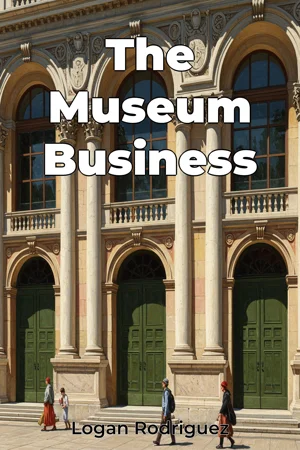
Can museums thrive in the 21st century, balancing their cultural missions with the economic realities of a rapidly changing world? This book, *The Museum Business*, delves into the multifaceted challenges and opportunities facing museums today, examining their operational structures, collection acquisition strategies, and approaches to achieving financial stability and growth. It explores the intricate interplay between art and commerce within the museum ecosystem. We will first examine the traditional operational models of museums, dissecting their organizational structures, governance, and funding mechanisms. Understanding these foundational elements is crucial for appreciating the complexities involved in managing these institutions. The book underscores the need to adapt traditional models in order to navigate evolving audience expectations and financial pressures. A second major focus is on collection development and management. Museums are defined by their collections, yet acquiring, preserving, and exhibiting artifacts presents significant challenges. We explore topics such as ethical considerations in acquisition, the escalating costs of art and historical objects, and innovative approaches to collection management, including digitization and collaborative partnerships. This section highlights the importance of responsible stewardship and strategic planning in building and maintaining meaningful collections. Finally, the book addresses the vital issue of financial sustainability. Museums face increasing competition for funding and must proactively develop diversified revenue streams. It investigates various strategies for generating income, including fundraising, membership programs, retail operations, and innovative visitor experiences. This section emphasizes the importance of business acumen and entrepreneurial thinking in ensuring the long-term viability of museums. *The Museum Business* argues that a successful museum in the modern era must strike a delicate balance between its cultural mandate and its financial realities. It presents evidence from case studies, industry reports, and expert interviews to support this claim. The research draws on data from museum surveys, financial statements, and academic literature in fields such as art history, business administration, and cultural economics. The book also connects to related fields such as marketing (in the context of audience engagement), law (particularly intellectual property and cultural heritage law), and technology (given the increasing role of digital tools in museum operations). These interdisciplinary connections enrich the analysis, highlighting the complex ecosystem in which museums operate. A unique aspect of the book lies in its pragmatic approach. While acknowledging the academic significance of museum studies, it offers practical guidance for museum professionals, board members, and anyone interested in the business side of these institutions. The tone is informative and analytical, providing a comprehensive overview of the key issues and challenges facing museums today. The target audience includes museum professionals (directors, curators, administrators), students in museum studies and related fields, board members of cultural institutions, and individuals interested in the intersection of art and business. This book will be valuable to them by providing a comprehensive understanding of museum operations and strategies for navigating the evolving cultural landscape. As a work of non-fiction, *The Museum Business* adheres to the conventions of scholarly research and objective analysis. It presents factual information, cites sources appropriately, and offers reasoned arguments based on evidence. The scope of the book is broad, covering a wide range of issues related to museum management and operations. However, it primarily focuses on museums in North America and Europe, acknowledging that the specific challenges and opportunities may vary in other parts of the world. The information in this book can be applied practically by readers seeking to improve museum operations, develop more effective fundraising strategies, or enhance visitor engagement. While the book champions the cultural value of museums in society it also acknowledges ongoing debates about decolonization, repatriation, and the ethical responsibilities of museums in relation to their collections. These debates are explored within the context of the book’s broader discussion of museum management and sustainability.
Can museums thrive in the 21st century, balancing their cultural missions with the economic realities of a rapidly changing world? This book, *The Museum Business*, delves into the multifaceted challenges and opportunities facing museums today, examining their operational structures, collection acquisition strategies, and approaches to achieving financial stability and growth. It explores the intricate interplay between art and commerce within the museum ecosystem. We will first examine the traditional operational models of museums, dissecting their organizational structures, governance, and funding mechanisms. Understanding these foundational elements is crucial for appreciating the complexities involved in managing these institutions. The book underscores the need to adapt traditional models in order to navigate evolving audience expectations and financial pressures. A second major focus is on collection development and management. Museums are defined by their collections, yet acquiring, preserving, and exhibiting artifacts presents significant challenges. We explore topics such as ethical considerations in acquisition, the escalating costs of art and historical objects, and innovative approaches to collection management, including digitization and collaborative partnerships. This section highlights the importance of responsible stewardship and strategic planning in building and maintaining meaningful collections. Finally, the book addresses the vital issue of financial sustainability. Museums face increasing competition for funding and must proactively develop diversified revenue streams. It investigates various strategies for generating income, including fundraising, membership programs, retail operations, and innovative visitor experiences. This section emphasizes the importance of business acumen and entrepreneurial thinking in ensuring the long-term viability of museums. *The Museum Business* argues that a successful museum in the modern era must strike a delicate balance between its cultural mandate and its financial realities. It presents evidence from case studies, industry reports, and expert interviews to support this claim. The research draws on data from museum surveys, financial statements, and academic literature in fields such as art history, business administration, and cultural economics. The book also connects to related fields such as marketing (in the context of audience engagement), law (particularly intellectual property and cultural heritage law), and technology (given the increasing role of digital tools in museum operations). These interdisciplinary connections enrich the analysis, highlighting the complex ecosystem in which museums operate. A unique aspect of the book lies in its pragmatic approach. While acknowledging the academic significance of museum studies, it offers practical guidance for museum professionals, board members, and anyone interested in the business side of these institutions. The tone is informative and analytical, providing a comprehensive overview of the key issues and challenges facing museums today. The target audience includes museum professionals (directors, curators, administrators), students in museum studies and related fields, board members of cultural institutions, and individuals interested in the intersection of art and business. This book will be valuable to them by providing a comprehensive understanding of museum operations and strategies for navigating the evolving cultural landscape. As a work of non-fiction, *The Museum Business* adheres to the conventions of scholarly research and objective analysis. It presents factual information, cites sources appropriately, and offers reasoned arguments based on evidence. The scope of the book is broad, covering a wide range of issues related to museum management and operations. However, it primarily focuses on museums in North America and Europe, acknowledging that the specific challenges and opportunities may vary in other parts of the world. The information in this book can be applied practically by readers seeking to improve museum operations, develop more effective fundraising strategies, or enhance visitor engagement. While the book champions the cultural value of museums in society it also acknowledges ongoing debates about decolonization, repatriation, and the ethical responsibilities of museums in relation to their collections. These debates are explored within the context of the book’s broader discussion of museum management and sustainability.
"The Museum Business" explores the modern challenges of balancing cultural missions with financial realities in museums. It examines traditional operational models, governance, and funding, highlighting the need for adaptation in response to evolving audience expectations and financial pressures. The book also emphasizes the importance of diversified revenue streams, such as fundraising and innovative visitor experiences, for ensuring long-term financial stability. A key focus is on collection development and management, addressing ethical considerations in acquisition and the escalating costs of art. It offers insights into responsible stewardship, strategic planning, and digitization as ways to maintain meaningful collections. The approach in "The Museum Business" is pragmatic, offering practical guidance for museum professionals and board members. Chapters progress from traditional operational models to collection management and financial sustainability, using case studies and expert interviews to support its claims.
Book Details
ISBN
9788233997717
Publisher
Publifye AS
Your Licenses
You don't own any licenses for this book
Purchase a license below to unlock this book and download the EPUB.
Purchase License
Select a tier to unlock this book
Need bulk licensing?
Contact us for enterprise agreements.