
About This Book
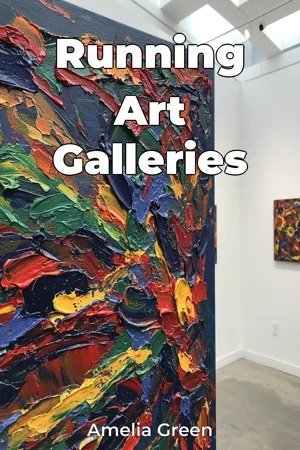
Have you ever considered the intricate blend of artistry and commerce required to shepherd artistic visions from the studio to the collector's wall? "Running Art Galleries" delves into the multifaceted world of art gallery management, offering a comprehensive guide to establishing and sustaining a successful gallery in the contemporary art market. Two central topics form the cornerstone of this exploration: first, the development of a curatorial vision that resonates with both artists and collectors, and second, the mastery of business acumen necessary to navigate the financial and logistical complexities of the art world. These are crucial because a gallery's unique identity and financial stability are paramount to its long-term survival and influence. The current landscape of art galleries is shaped by a confluence of factors, including the rise of online sales platforms, the globalization of the art market, and evolving tastes of collectors. "Running Art Galleries" provides the historical context needed to understand these dynamics, while also assuming a basic understanding of art history and the role of galleries in the art ecosystem. The central argument of this book is that succeeding in the competitive gallery world requires a delicate balance between an unwavering commitment to artistic integrity and a pragmatic approach to business management. This balance is essential for fostering trust with artists, attracting discerning collectors, and ensuring the gallery's economic viability. The book unfolds in a structured manner. It begins by defining the key concepts of curatorial practice, art market analysis, and gallery operations, providing a foundational understanding. The subsequent sections develop these ideas further, addressing essential aspects such as sourcing and representing artists, staging compelling exhibitions, pricing artworks, and cultivating client relationships. A significant portion is dedicated to the financial underpinnings of gallery management, covering topics such as budgeting, sales strategies, and legal considerations, and inventory management. The content culminates in a discussion of the future of art galleries, exploring innovative business models and strategies for adapting to the ever-changing art world. "Running Art Galleries" includes real-world case studies, interviews with seasoned gallerists, and financial templates. This book also draws upon data from art market reports, auction house records, and gallery surveys to support its arguments and provide practical insights. This book is relevant to the fields of entrepreneurship, art history, and business management. It emphasizes how understanding art historical movements and aesthetic trends can inform curatorial decisions, and also demonstrates how business principles can be applied to the unique context of the art market. One innovative aspect of "Running Art Galleries" is its focus on the integration of digital technologies into gallery operations. It explores how galleries can leverage social media, online platforms, and data analytics to expand their reach and engage with collectors in new ways. The writing style is professional and accessible, aiming to provide actionable advice and insights to readers, while avoiding art jargon. The intended audience includes aspiring gallerists, current gallery owners seeking to improve their practices, art students interested in gallery careers, and artists who want to better understand the gallery system. This book is valuable to them because it provides a practical roadmap for navigating the complexities of the art world and building a sustainable gallery business. As a book in the genres of Entrepreneurship, Art, and Business Entrepreneurship, the reader should expect realistic advice, actionable steps, and a focus on both creative processes and business outcomes. The scope of "Running Art Galleries" is broad, covering all essential aspects of gallery management, but it primarily focuses on galleries dealing with contemporary art. It does not delve into the specifics of managing galleries specializing in historical art or antiquities. The information presented in this book can be directly applied to starting, managing, or improving an art gallery business. It provides practical guidance on topics such as writing a business plan, negotiating contracts with artists, and developing a marketing strategy. One debate within the art world revolves around the role of galleries in promoting diversity and inclusion. This book addresses this issue by encouraging galleries to actively seek out and represent artists from underrepresented groups, fostering a more equitable and inclusive art ecosystem.
Have you ever considered the intricate blend of artistry and commerce required to shepherd artistic visions from the studio to the collector's wall? "Running Art Galleries" delves into the multifaceted world of art gallery management, offering a comprehensive guide to establishing and sustaining a successful gallery in the contemporary art market. Two central topics form the cornerstone of this exploration: first, the development of a curatorial vision that resonates with both artists and collectors, and second, the mastery of business acumen necessary to navigate the financial and logistical complexities of the art world. These are crucial because a gallery's unique identity and financial stability are paramount to its long-term survival and influence. The current landscape of art galleries is shaped by a confluence of factors, including the rise of online sales platforms, the globalization of the art market, and evolving tastes of collectors. "Running Art Galleries" provides the historical context needed to understand these dynamics, while also assuming a basic understanding of art history and the role of galleries in the art ecosystem. The central argument of this book is that succeeding in the competitive gallery world requires a delicate balance between an unwavering commitment to artistic integrity and a pragmatic approach to business management. This balance is essential for fostering trust with artists, attracting discerning collectors, and ensuring the gallery's economic viability. The book unfolds in a structured manner. It begins by defining the key concepts of curatorial practice, art market analysis, and gallery operations, providing a foundational understanding. The subsequent sections develop these ideas further, addressing essential aspects such as sourcing and representing artists, staging compelling exhibitions, pricing artworks, and cultivating client relationships. A significant portion is dedicated to the financial underpinnings of gallery management, covering topics such as budgeting, sales strategies, and legal considerations, and inventory management. The content culminates in a discussion of the future of art galleries, exploring innovative business models and strategies for adapting to the ever-changing art world. "Running Art Galleries" includes real-world case studies, interviews with seasoned gallerists, and financial templates. This book also draws upon data from art market reports, auction house records, and gallery surveys to support its arguments and provide practical insights. This book is relevant to the fields of entrepreneurship, art history, and business management. It emphasizes how understanding art historical movements and aesthetic trends can inform curatorial decisions, and also demonstrates how business principles can be applied to the unique context of the art market. One innovative aspect of "Running Art Galleries" is its focus on the integration of digital technologies into gallery operations. It explores how galleries can leverage social media, online platforms, and data analytics to expand their reach and engage with collectors in new ways. The writing style is professional and accessible, aiming to provide actionable advice and insights to readers, while avoiding art jargon. The intended audience includes aspiring gallerists, current gallery owners seeking to improve their practices, art students interested in gallery careers, and artists who want to better understand the gallery system. This book is valuable to them because it provides a practical roadmap for navigating the complexities of the art world and building a sustainable gallery business. As a book in the genres of Entrepreneurship, Art, and Business Entrepreneurship, the reader should expect realistic advice, actionable steps, and a focus on both creative processes and business outcomes. The scope of "Running Art Galleries" is broad, covering all essential aspects of gallery management, but it primarily focuses on galleries dealing with contemporary art. It does not delve into the specifics of managing galleries specializing in historical art or antiquities. The information presented in this book can be directly applied to starting, managing, or improving an art gallery business. It provides practical guidance on topics such as writing a business plan, negotiating contracts with artists, and developing a marketing strategy. One debate within the art world revolves around the role of galleries in promoting diversity and inclusion. This book addresses this issue by encouraging galleries to actively seek out and represent artists from underrepresented groups, fostering a more equitable and inclusive art ecosystem.
"Running Art Galleries" explores the dynamic intersection of art and commerce, offering a comprehensive guide to navigating the contemporary art market. It emphasizes the crucial balance between curatorial vision and business acumen, essential for establishing a thriving gallery. Discover how a gallery's unique identity and financial stability are paramount to its long-term success. The book highlights intriguing facts, such as the impact of online sales platforms and the globalization of the art market on gallery operations. This book provides a structured approach, beginning with foundational concepts like curatorial practice and art market analysis. It progresses through artist representation, exhibition staging, art sales, and financial management, incorporating real-world case studies and interviews. A significant portion covers budgeting, sales strategies, and legal considerations. "Running Art Galleries" uniquely focuses on integrating digital technologies, like social media and data analytics, to expand reach and engage collectors. The book's value lies in offering a practical roadmap for navigating the complexities of the art world. It addresses the importance of diversity and inclusion, encouraging galleries to represent underrepresented artists. Aspiring gallerists, current owners, and art students will find actionable advice and insights for building a sustainable art business.
Book Details
ISBN
9788233997670
Publisher
Publifye AS
Your Licenses
You don't own any licenses for this book
Purchase a license below to unlock this book and download the EPUB.
Purchase License
Select a tier to unlock this book
Need bulk licensing?
Contact us for enterprise agreements.