
About This Book
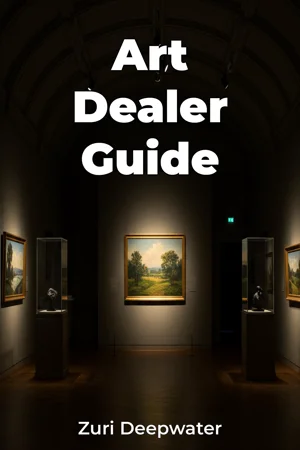
Ever wondered how a painting ends up in a museum or a private collection, fetching prices that seem unimaginable? “Art Dealer Guide” unveils the intricate, often opaque, world of art dealing, exploring the multifaceted roles art dealers play in shaping the global art market. This book examines the core functions of art dealers: sourcing valuable artworks, strategically promoting artists and their creations, and navigating the complex process of sales and acquisitions. These elements are crucial for understanding the dynamics of the art world and the mechanisms that assign value to art. "Art Dealer Guide" presents a comprehensive overview of the art dealer's profession, beginning with a historical context. The book traces the evolution of art dealing from its early forms of patronage to the modern, globalized marketplace driven by auction houses, galleries, and private sales. Understanding this historical trajectory is essential for appreciating the present-day challenges and opportunities facing art dealers. We will explore the legal and ethical considerations that govern the art market, including provenance research, authenticity verification, and anti-money laundering regulations. The central argument of this book emphasizes the art dealer's role as a cultural gatekeeper and economic driver. "Art Dealer Guide" posits that art dealers are not merely facilitators of transactions, but active participants in constructing artistic legacies and shaping cultural narratives while heavily contributing to the economy. The book demonstrates how dealers influence taste, establish artistic reputations, and contribute to the preservation and dissemination of art historical knowledge for future generations. The book is structured in three major sections. First, it introduces the fundamental concepts, including art market economics, the various types of art dealers (primary market, secondary market, private dealers), and the critical skills required for success in the field. This section establishes a foundational understanding of the art world ecosystem. Second, we delve into the practical aspects of art dealing: how dealers discover emerging artists, cultivate relationships with collectors and institutions, manage exhibitions, and negotiate sales. This part will examine case studies of successful art deals and analyze the strategies employed by leading art dealers. Third, the book explores the future of art dealing in the digital age, addressing the impact of online art platforms, social media, and new technologies on the traditional art market model. The arguments and insights presented will be supported by a range of evidence, including interviews with prominent art dealers, analyses of art market data and trends, and examinations of art historical documents and archives. The book draws on academic research in art history, economics, and business management to provide a rigorous and interdisciplinary analysis of art dealing. Legal precedents and case studies related to art law and ethics are also included. "Art Dealer Guide" connects to several fields, including economics, cultural studies, and law. The economic aspects of the art market, such as price formation and investment strategies, are explored. The book also examines the cultural significance of art and the role of art dealers in shaping cultural values. Furthermore, the legal and ethical dimensions of art dealing are considered, including issues of ownership, copyright, and cultural heritage. What sets this book apart is its holistic approach, blending theoretical analysis with practical guidance. The book provides aspiring art dealers with actionable advice and insights, while offering seasoned professionals a fresh perspective on the challenges and opportunities facing the industry. The writing style is professional and accessible, aiming to engage both academic and general audiences interested in the art world. While grounded in rigorous research, the book avoids excessive jargon and technical complexity, making it suitable for readers with varying levels of prior knowledge. The target audience includes students of art history, arts management, and business, as well as art collectors, artists, and anyone curious about the inner workings of the art market. The book provides valuable insights for those considering a career in art dealing, offering a realistic and comprehensive overview of the profession. The scope of the book is global, examining art markets in various regions and countries. It focuses primarily on the market for fine art, including painting, sculpture, and drawing, but also touches on other areas such as photography and contemporary crafts. The book acknowledges certain limitations, such as the rapid pace of change in the digital art market, and encourages readers to stay informed about emerging trends and technologies. The information in “Art Dealer Guide” can be directly applied by readers seeking to understand the art market better, whether to make informed investment decisions, pursue a career in the field, or simply deepen their appreciation for art and its cultural significance. "Art Dealer Guide" provides its reader with information to begin their journey today! The book addresses ongoing debates and controversies in the art world, such as the role of speculation in driving up art prices, the ethical responsibilities of art dealers, and the impact of globalization on artistic expression. The art world is a complex, high-stakes environment and "Art Dealer Guide" leaves the reader with a comprehensive understanding of it.
Ever wondered how a painting ends up in a museum or a private collection, fetching prices that seem unimaginable? “Art Dealer Guide” unveils the intricate, often opaque, world of art dealing, exploring the multifaceted roles art dealers play in shaping the global art market. This book examines the core functions of art dealers: sourcing valuable artworks, strategically promoting artists and their creations, and navigating the complex process of sales and acquisitions. These elements are crucial for understanding the dynamics of the art world and the mechanisms that assign value to art. "Art Dealer Guide" presents a comprehensive overview of the art dealer's profession, beginning with a historical context. The book traces the evolution of art dealing from its early forms of patronage to the modern, globalized marketplace driven by auction houses, galleries, and private sales. Understanding this historical trajectory is essential for appreciating the present-day challenges and opportunities facing art dealers. We will explore the legal and ethical considerations that govern the art market, including provenance research, authenticity verification, and anti-money laundering regulations. The central argument of this book emphasizes the art dealer's role as a cultural gatekeeper and economic driver. "Art Dealer Guide" posits that art dealers are not merely facilitators of transactions, but active participants in constructing artistic legacies and shaping cultural narratives while heavily contributing to the economy. The book demonstrates how dealers influence taste, establish artistic reputations, and contribute to the preservation and dissemination of art historical knowledge for future generations. The book is structured in three major sections. First, it introduces the fundamental concepts, including art market economics, the various types of art dealers (primary market, secondary market, private dealers), and the critical skills required for success in the field. This section establishes a foundational understanding of the art world ecosystem. Second, we delve into the practical aspects of art dealing: how dealers discover emerging artists, cultivate relationships with collectors and institutions, manage exhibitions, and negotiate sales. This part will examine case studies of successful art deals and analyze the strategies employed by leading art dealers. Third, the book explores the future of art dealing in the digital age, addressing the impact of online art platforms, social media, and new technologies on the traditional art market model. The arguments and insights presented will be supported by a range of evidence, including interviews with prominent art dealers, analyses of art market data and trends, and examinations of art historical documents and archives. The book draws on academic research in art history, economics, and business management to provide a rigorous and interdisciplinary analysis of art dealing. Legal precedents and case studies related to art law and ethics are also included. "Art Dealer Guide" connects to several fields, including economics, cultural studies, and law. The economic aspects of the art market, such as price formation and investment strategies, are explored. The book also examines the cultural significance of art and the role of art dealers in shaping cultural values. Furthermore, the legal and ethical dimensions of art dealing are considered, including issues of ownership, copyright, and cultural heritage. What sets this book apart is its holistic approach, blending theoretical analysis with practical guidance. The book provides aspiring art dealers with actionable advice and insights, while offering seasoned professionals a fresh perspective on the challenges and opportunities facing the industry. The writing style is professional and accessible, aiming to engage both academic and general audiences interested in the art world. While grounded in rigorous research, the book avoids excessive jargon and technical complexity, making it suitable for readers with varying levels of prior knowledge. The target audience includes students of art history, arts management, and business, as well as art collectors, artists, and anyone curious about the inner workings of the art market. The book provides valuable insights for those considering a career in art dealing, offering a realistic and comprehensive overview of the profession. The scope of the book is global, examining art markets in various regions and countries. It focuses primarily on the market for fine art, including painting, sculpture, and drawing, but also touches on other areas such as photography and contemporary crafts. The book acknowledges certain limitations, such as the rapid pace of change in the digital art market, and encourages readers to stay informed about emerging trends and technologies. The information in “Art Dealer Guide” can be directly applied by readers seeking to understand the art market better, whether to make informed investment decisions, pursue a career in the field, or simply deepen their appreciation for art and its cultural significance. "Art Dealer Guide" provides its reader with information to begin their journey today! The book addresses ongoing debates and controversies in the art world, such as the role of speculation in driving up art prices, the ethical responsibilities of art dealers, and the impact of globalization on artistic expression. The art world is a complex, high-stakes environment and "Art Dealer Guide" leaves the reader with a comprehensive understanding of it.
"Art Dealer Guide" delves into the captivating world of art dealing, revealing the pivotal roles these professionals play in the art market. More than just facilitators, art dealers actively shape cultural narratives, contributing significantly to the economy by influencing taste and establishing artistic legacies. The book traces the evolution of art dealing from historical patronage to the modern globalized market, underlining the art dealer's position as a cultural gatekeeper. Legal and ethical considerations, such as provenance research and authenticity verification, are also explored, giving a complete overview of the art business. The book progresses systematically, starting with fundamental concepts like art market economics and essential skills for success. It then explores practical aspects, such as discovering emerging artists and managing exhibitions. Case studies of successful art deals provide valuable insights into effective strategies. Finally, it addresses the digital age's impact, examining online platforms and social media's influence on traditional art market models. This approach balances theoretical analysis with practical guidance, making it a valuable resource for anyone interested in art management and the art world.
Book Details
ISBN
9788233997649
Publisher
Publifye AS
Your Licenses
You don't own any licenses for this book
Purchase a license below to unlock this book and download the EPUB.
Purchase License
Select a tier to unlock this book
Need bulk licensing?
Contact us for enterprise agreements.