
About This Book
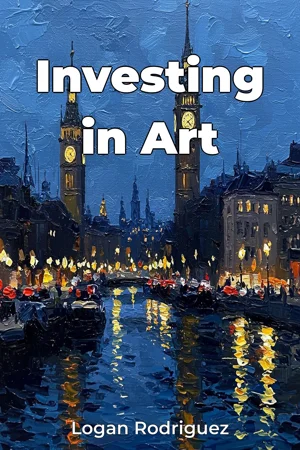
Can art truly be considered a reliable investment, standing shoulder-to-shoulder with stocks, bonds, and real estate? "Investing in Art" delves into this complex question, providing a comprehensive analysis of art as an alternative asset class. This book navigates the intricate world where aesthetics meet finance, offering readers a grounded understanding of art valuation, risk management, and the potential for financial returns. We begin by establishing the fundamental principles of art investment, cutting through the mystique that often surrounds the art market. Key topics include understanding the historical performance of art as an asset, exploring the unique dynamics of supply and demand within this market, and identifying the primary factors that drive art prices. Contextually, the book examines the evolution of the art market from its historical roots to its current globalized state. We consider the role of galleries, auction houses, art fairs, and private dealers in shaping market trends. Crucially, the book addresses the impact of economic cycles, geopolitical events, and shifting cultural tastes on art values. No prior knowledge of art history or financial modeling is required; concepts are explained clearly, with illustrative examples. The central argument of "Investing in Art" is that while art can offer diversification and potentially high returns, it also presents unique challenges that demand careful consideration and informed decision-making. A recurring message emphasizes the imperative of due diligence, expert consultation, and a long-term investment horizon. The book is structured logically to guide the reader from foundational concepts to advanced strategies. a) An introduction covers the basics of art market economics, defining key terms and outlining the various segments within the art world (e.g., fine art, decorative art, collectibles). b) The development of ideas incorporates chapters dedicated to valuation methodologies (comparable sales analysis, expert appraisal, statistical modeling), risk assessment (authenticity, liquidity, market volatility), and performance measurement (benchmarking, return on investment calculations). Specific attention is given to analyzing different art segments and geographic markets. c) The culmination of the argument focuses on constructing a diversified art portfolio that aligns with individual investment objectives and risk tolerance. d) Practical applications are highlighted through case studies of successful art investments and cautionary tales of common pitfalls. Evidence presented includes historical price data from major auction houses and art market indices, academic research on art market behavior, and expert insights from art professionals. Unique data sources, like proprietary databases of art transactions, are utilized to provide in-depth analysis. "Investing in Art" bridges several disciplines. It incorporates art history to understand the cultural significance of artworks, finance to apply portfolio management principles, and economics to analyze market dynamics. These interdisciplinary connections enrich the book's argument by providing a holistic perspective on art as an investment. A unique perspective is provided by integrating traditional financial analysis with an understanding of the subjective factors that influence art values. The book acknowledges that art is not simply a commodity; its value is also derived from its aesthetic appeal, cultural significance, and emotional resonance. The tone is informative and analytical, maintaining a professional yet accessible style. Complex concepts are explained in plain language, without sacrificing rigor. The target audience includes individual investors, wealth managers, financial advisors, and art enthusiasts seeking to gain a deeper understanding of art as an asset class. The book equips readers with the knowledge and tools necessary to make informed investment decisions in the art market. As a finance book, it adheres to standards of accuracy, objectivity, and transparency. As an art book, it respects artistic integrity and avoids promoting speculative or unethical practices. The scope of the book is limited to the financial aspects of art investment. It does not delve into art criticism or aesthetic theory in detail. The focus is on providing practical guidance for investors seeking to allocate capital to art. The book's information can be used to make informed decisions about buying, selling, and managing art investments. Readers will learn how to assess the potential risks and returns of different art segments, construct diversified art portfolios, and navigate the complexities of the art market. The book addresses ongoing debates about the transparency and regulation of the art market, as well as the ethical considerations of art investment. It acknowledges the potential for conflicts of interest and the importance of responsible ownership.
Can art truly be considered a reliable investment, standing shoulder-to-shoulder with stocks, bonds, and real estate? "Investing in Art" delves into this complex question, providing a comprehensive analysis of art as an alternative asset class. This book navigates the intricate world where aesthetics meet finance, offering readers a grounded understanding of art valuation, risk management, and the potential for financial returns. We begin by establishing the fundamental principles of art investment, cutting through the mystique that often surrounds the art market. Key topics include understanding the historical performance of art as an asset, exploring the unique dynamics of supply and demand within this market, and identifying the primary factors that drive art prices. Contextually, the book examines the evolution of the art market from its historical roots to its current globalized state. We consider the role of galleries, auction houses, art fairs, and private dealers in shaping market trends. Crucially, the book addresses the impact of economic cycles, geopolitical events, and shifting cultural tastes on art values. No prior knowledge of art history or financial modeling is required; concepts are explained clearly, with illustrative examples. The central argument of "Investing in Art" is that while art can offer diversification and potentially high returns, it also presents unique challenges that demand careful consideration and informed decision-making. A recurring message emphasizes the imperative of due diligence, expert consultation, and a long-term investment horizon. The book is structured logically to guide the reader from foundational concepts to advanced strategies. a) An introduction covers the basics of art market economics, defining key terms and outlining the various segments within the art world (e.g., fine art, decorative art, collectibles). b) The development of ideas incorporates chapters dedicated to valuation methodologies (comparable sales analysis, expert appraisal, statistical modeling), risk assessment (authenticity, liquidity, market volatility), and performance measurement (benchmarking, return on investment calculations). Specific attention is given to analyzing different art segments and geographic markets. c) The culmination of the argument focuses on constructing a diversified art portfolio that aligns with individual investment objectives and risk tolerance. d) Practical applications are highlighted through case studies of successful art investments and cautionary tales of common pitfalls. Evidence presented includes historical price data from major auction houses and art market indices, academic research on art market behavior, and expert insights from art professionals. Unique data sources, like proprietary databases of art transactions, are utilized to provide in-depth analysis. "Investing in Art" bridges several disciplines. It incorporates art history to understand the cultural significance of artworks, finance to apply portfolio management principles, and economics to analyze market dynamics. These interdisciplinary connections enrich the book's argument by providing a holistic perspective on art as an investment. A unique perspective is provided by integrating traditional financial analysis with an understanding of the subjective factors that influence art values. The book acknowledges that art is not simply a commodity; its value is also derived from its aesthetic appeal, cultural significance, and emotional resonance. The tone is informative and analytical, maintaining a professional yet accessible style. Complex concepts are explained in plain language, without sacrificing rigor. The target audience includes individual investors, wealth managers, financial advisors, and art enthusiasts seeking to gain a deeper understanding of art as an asset class. The book equips readers with the knowledge and tools necessary to make informed investment decisions in the art market. As a finance book, it adheres to standards of accuracy, objectivity, and transparency. As an art book, it respects artistic integrity and avoids promoting speculative or unethical practices. The scope of the book is limited to the financial aspects of art investment. It does not delve into art criticism or aesthetic theory in detail. The focus is on providing practical guidance for investors seeking to allocate capital to art. The book's information can be used to make informed decisions about buying, selling, and managing art investments. Readers will learn how to assess the potential risks and returns of different art segments, construct diversified art portfolios, and navigate the complexities of the art market. The book addresses ongoing debates about the transparency and regulation of the art market, as well as the ethical considerations of art investment. It acknowledges the potential for conflicts of interest and the importance of responsible ownership.
"Investing in Art" tackles the question of whether art can be a sound investment, comparable to traditional assets. It demystifies the art market and offers a comprehensive look at art as an alternative asset class, exploring valuation, risk management, and potential financial returns. Did you know that understanding supply and demand dynamics is crucial in the art market? Or that economic cycles significantly impact art values? This book uniquely bridges art history, finance, and economics to provide a holistic perspective. The book begins with art market basics, then develops ideas around valuation methodologies and risk assessment. It culminates in strategies for building a diversified art portfolio. Case studies illustrate successful investments and common pitfalls. Ultimately, "Investing in Art" equips investors, wealth managers, and art enthusiasts with the knowledge to make informed decisions, emphasizing due diligence and a long-term view when navigating the complexities of art investment.
Book Details
ISBN
9788233997618
Publisher
Publifye AS
Your Licenses
You don't own any licenses for this book
Purchase a license below to unlock this book and download the EPUB.
Purchase License
Select a tier to unlock this book
Need bulk licensing?
Contact us for enterprise agreements.