
About This Book
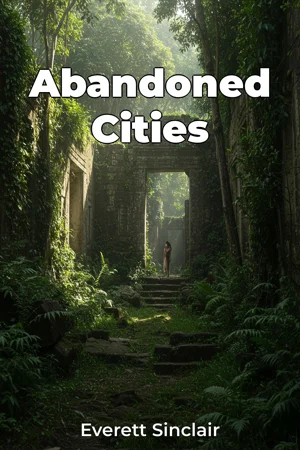
What compels an entire city, once vibrant and teeming with life, to fall silent and be left to the elements? "Abandoned Cities" delves into this haunting question, exploring the myriad reasons behind urban abandonment and extracting crucial lessons for contemporary urban planning. We examine not just the ruins themselves, but the stories embedded within their silent walls, offering insights into the rise and fall of civilizations and the often-fragile relationship between humanity and its built environment. This book focuses on three central themes: the environmental factors contributing to abandonment, including climate change, resource depletion, and natural disasters; the socio-political dynamics that lead to urban decline, such as economic collapse, war, and disease; and the architectural and planning missteps that render cities unsustainable. These themes are vital because they highlight the precariousness of urban existence and offer a framework for building more resilient and adaptable cities in the future. Understanding the past failures in urban habitation provides a critical lens through which to view present and future urban development. We will explore the historical, social, and environmental contexts surrounding urban abandonment. The reader will benefit from having a basic understanding of urban planning principles, historical geography, and social sciences. However, the book is written to be accessible to a broad audience, with complex concepts explained in a clear and concise manner. The central argument of "Abandoned Cities" is that studying abandoned cities offers invaluable lessons for sustainable urban planning. By analyzing the causes of their demise, we can identify vulnerabilities in our current urban systems and proactively address them. This argument is important because as cities grow and face increasing pressures from climate change, resource scarcity, and social inequality, understanding how to build resilient and adaptable urban environments becomes paramount. Failure to learn from the past risks repeating the mistakes that led to abandonment, jeopardizing the future of our urban centers. The book is structured as follows: First, we introduce the core concepts of urban abandonment and its significance, establishing a theoretical framework for analysis. Then, we examine case studies across different continents and historical periods, each chapter focusing on a specific city and the factors that led to its abandonment. These case studies are grouped thematically, exploring environmental, socio-political, and design-related causes. The culmination of the argument pulls together the lessons learned from these abandoned cities, offering practical recommendations for contemporary and future urban planning. We conclude by examining how these lessons can be applied to address current urban challenges, such as climate change adaptation, resource management, and social equity. The evidence presented in "Abandoned Cities" draws from a diverse range of sources, including archaeological reports, historical documents, environmental data, and urban planning studies. We incorporate unique GIS data and remote sensing to understand the environmental changes in and around abandoned sites to provide a comprehensive and interdisciplinary analysis. "Abandoned Cities" connects to several other fields of study, including archaeology, environmental science, and sociology. Archaeology provides insights into the daily lives of past inhabitants and the physical evidence of their struggles. Environmental science helps us understand the ecological factors that contributed to abandonment. Sociology sheds light on the social dynamics and power structures that influenced urban decline. These connections enrich the book's argument by providing a multidimensional perspective on urban abandonment. This book adopts a unique perspective by integrating historical analysis with contemporary urban planning theory. It moves beyond simply documenting abandoned cities to actively extracting practical lessons for building more resilient urban environments. The tone and writing style are accessible and engaging, aiming to be informative while maintaining a narrative quality that captures the human stories behind these abandoned places. The target audience includes students and practitioners of architecture, urban planning, and history, as well as general readers interested in the rise and fall of cities. The book would be valuable to them as a comprehensive resource for understanding the causes and consequences of urban abandonment and how these lessons can inform contemporary urban planning practices. As a fact-based, non-fiction book within the genres of Architecture General, History, and Architecture, this book will provide an in-depth exploration of case studies drawing from the historical record to support its claims. It avoids speculative storytelling and maintains scholarly integrity. The scope of the book encompasses a wide range of abandoned cities across different continents and historical periods but does not attempt to provide an exhaustive catalog of every abandoned settlement. By providing a representative sample, it highlights the universal lessons that can be learned from urban abandonment. The information in "Abandoned Cities" can be applied practically by readers through a better understanding of the long-term consequences of various planning decisions, leading to more sustainable and equitable urban development. "Abandoned Cities" addresses ongoing debates about the relative importance of environmental factors versus socio-political factors in urban decline. By presenting a balanced analysis of both, it aims to contribute to a more nuanced understanding of the complex forces that shape urban environments.
What compels an entire city, once vibrant and teeming with life, to fall silent and be left to the elements? "Abandoned Cities" delves into this haunting question, exploring the myriad reasons behind urban abandonment and extracting crucial lessons for contemporary urban planning. We examine not just the ruins themselves, but the stories embedded within their silent walls, offering insights into the rise and fall of civilizations and the often-fragile relationship between humanity and its built environment. This book focuses on three central themes: the environmental factors contributing to abandonment, including climate change, resource depletion, and natural disasters; the socio-political dynamics that lead to urban decline, such as economic collapse, war, and disease; and the architectural and planning missteps that render cities unsustainable. These themes are vital because they highlight the precariousness of urban existence and offer a framework for building more resilient and adaptable cities in the future. Understanding the past failures in urban habitation provides a critical lens through which to view present and future urban development. We will explore the historical, social, and environmental contexts surrounding urban abandonment. The reader will benefit from having a basic understanding of urban planning principles, historical geography, and social sciences. However, the book is written to be accessible to a broad audience, with complex concepts explained in a clear and concise manner. The central argument of "Abandoned Cities" is that studying abandoned cities offers invaluable lessons for sustainable urban planning. By analyzing the causes of their demise, we can identify vulnerabilities in our current urban systems and proactively address them. This argument is important because as cities grow and face increasing pressures from climate change, resource scarcity, and social inequality, understanding how to build resilient and adaptable urban environments becomes paramount. Failure to learn from the past risks repeating the mistakes that led to abandonment, jeopardizing the future of our urban centers. The book is structured as follows: First, we introduce the core concepts of urban abandonment and its significance, establishing a theoretical framework for analysis. Then, we examine case studies across different continents and historical periods, each chapter focusing on a specific city and the factors that led to its abandonment. These case studies are grouped thematically, exploring environmental, socio-political, and design-related causes. The culmination of the argument pulls together the lessons learned from these abandoned cities, offering practical recommendations for contemporary and future urban planning. We conclude by examining how these lessons can be applied to address current urban challenges, such as climate change adaptation, resource management, and social equity. The evidence presented in "Abandoned Cities" draws from a diverse range of sources, including archaeological reports, historical documents, environmental data, and urban planning studies. We incorporate unique GIS data and remote sensing to understand the environmental changes in and around abandoned sites to provide a comprehensive and interdisciplinary analysis. "Abandoned Cities" connects to several other fields of study, including archaeology, environmental science, and sociology. Archaeology provides insights into the daily lives of past inhabitants and the physical evidence of their struggles. Environmental science helps us understand the ecological factors that contributed to abandonment. Sociology sheds light on the social dynamics and power structures that influenced urban decline. These connections enrich the book's argument by providing a multidimensional perspective on urban abandonment. This book adopts a unique perspective by integrating historical analysis with contemporary urban planning theory. It moves beyond simply documenting abandoned cities to actively extracting practical lessons for building more resilient urban environments. The tone and writing style are accessible and engaging, aiming to be informative while maintaining a narrative quality that captures the human stories behind these abandoned places. The target audience includes students and practitioners of architecture, urban planning, and history, as well as general readers interested in the rise and fall of cities. The book would be valuable to them as a comprehensive resource for understanding the causes and consequences of urban abandonment and how these lessons can inform contemporary urban planning practices. As a fact-based, non-fiction book within the genres of Architecture General, History, and Architecture, this book will provide an in-depth exploration of case studies drawing from the historical record to support its claims. It avoids speculative storytelling and maintains scholarly integrity. The scope of the book encompasses a wide range of abandoned cities across different continents and historical periods but does not attempt to provide an exhaustive catalog of every abandoned settlement. By providing a representative sample, it highlights the universal lessons that can be learned from urban abandonment. The information in "Abandoned Cities" can be applied practically by readers through a better understanding of the long-term consequences of various planning decisions, leading to more sustainable and equitable urban development. "Abandoned Cities" addresses ongoing debates about the relative importance of environmental factors versus socio-political factors in urban decline. By presenting a balanced analysis of both, it aims to contribute to a more nuanced understanding of the complex forces that shape urban environments.
"Abandoned Cities" explores the compelling question of why thriving urban centers become deserted, offering valuable insights for contemporary urban planning. The book delves into the stories behind these silent ruins, examining environmental factors like climate change and resource depletion, alongside socio-political dynamics such as economic collapse or conflict. It highlights how architectural and planning missteps contribute to unsustainable urban environments, emphasizing the precarious balance between humanity and the built world. The book uniquely integrates historical analysis with modern urban planning, moving beyond mere documentation to extract actionable lessons. Case studies from diverse continents and eras reveal the environmental, socio-political, and design-related causes of abandonment. For example, resource depletion can render a city uninhabitable, while political instability can trigger mass exodus. These case studies are thematically grouped to explore the range of factors involved. The book progresses by first establishing a theoretical framework and then moving into specific examples. Ultimately, "Abandoned Cities" provides practical recommendations for creating more resilient and adaptable urban environments. By understanding past failures, we can avoid repeating those mistakes and build more sustainable urban centers for the future.
Book Details
ISBN
9788233997571
Publisher
Publifye AS
Your Licenses
You don't own any licenses for this book
Purchase a license below to unlock this book and download the EPUB.
Purchase License
Select a tier to unlock this book
Need bulk licensing?
Contact us for enterprise agreements.