
About This Book
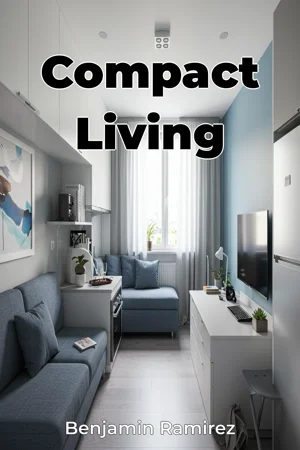
How are we redefining "home" in an era of unprecedented urbanization and affordability challenges? "Compact Living" explores the innovative architectural and social solutions reshaping urban residential life, focusing on micro-apartments, co-living spaces, and other space-efficient housing models. This book investigates how these developments address pressing contemporary issues and redefine our understanding of urban living. The core topics revolve around the design, sociology, and economic viability of compact living arrangements. We examine micro-apartments, analyzing their design principles, spatial optimization techniques, and their effect on residents' quality of life. Co-living spaces are explored as communal solutions, investigating their social dynamics, operational models, and contribution to community building in dense urban environments. Finally, we analyze various space-efficient housing models, ranging from accessory dwelling units (ADUs) to modular construction, evaluating their potential to increase housing supply and affordability. These topics are crucial because they directly address the challenges of housing shortages, rising living costs, and social isolation prevalent in many cities worldwide. The rise of compact living is contextualized within a broader historical and social landscape, tracing its roots from early modernist experiments in social housing to contemporary responses to urban density and economic inequality. No prior specialized knowledge is required from the reader; however, a general interest in urban planning, architecture, or social trends will enhance their engagement with the subject matter. The central argument of "Compact Living" is that thoughtfully designed and strategically implemented compact living solutions can contribute significantly to creating more affordable, sustainable, and socially connected urban environments. This argument challenges traditional notions of housing size and ownership, advocating for a more nuanced understanding of residential needs and preferences in the 21st century. The book begins by introducing the core concepts of compact living, framing the discussion within the context of urbanization and housing affordability. The subsequent chapters delve into specific types of compact housing: micro-apartments, co-living spaces, and various other space-efficient models. Each of these sections analyzes case studies, design innovations, and the lived experiences of residents. The book culminates by assessing the broader implications of compact living for urban planning, social policy, and sustainable development. It also explores practical strategies for developers, policymakers, and individuals interested in promoting and adopting compact living solutions. The analysis is supported by a range of evidence, including architectural plans, statistical data on housing markets, sociological studies of community dynamics, and interviews with residents and developers. Unique data sources include surveys of residents in compact housing developments and comparative analyses of different regulatory frameworks governing space-efficient housing. "Compact Living" draws connections to several other fields, including urban sociology, behavioral economics, and environmental studies. Urban sociology provides insights into the social impacts of density and shared living. Behavioral economics informs our understanding of how people make housing choices and adapt to smaller living spaces. Environmental studies highlight the potential of compact living to reduce resource consumption and promote sustainable urban development. This book stands out through its holistic approach, integrating architectural design, social analysis, and economic considerations. It offers a balanced perspective, acknowledging both the potential benefits and challenges of compact living, while advocating for thoughtful and context-sensitive implementation. The tone is professional and informative, maintaining a balance between academic rigor and accessible language. The writing style is clear and engaging, aiming to make complex concepts understandable to a broad audience. The target audience includes architects, urban planners, policymakers, developers, and anyone interested in urban living and housing solutions. The book provides valuable insights and practical guidance for professionals working in these fields, as well as informed perspectives for individuals considering compact living options. As a work in the genres of Social Science and Architecture, "Compact Living" adopts a rigorous, evidence-based approach to analyzing social phenomena and architectural designs. It adheres to the conventions of academic research while remaining accessible and relevant to a broader audience. The scope of the book is limited to contemporary examples of compact living in developed urban contexts. It does not delve into historical precedents or rural applications of space-efficient design. The information can be applied practically by urban planners seeking to promote affordable housing, developers designing innovative residential projects, and individuals making informed decisions about their living arrangements. The book addresses ongoing debates about the merits and drawbacks of compact living, including concerns about privacy, social isolation, and the long-term sustainability of these models. It presents a balanced perspective, acknowledging these concerns while highlighting the potential benefits of well-designed and thoughtfully managed compact living environments.
How are we redefining "home" in an era of unprecedented urbanization and affordability challenges? "Compact Living" explores the innovative architectural and social solutions reshaping urban residential life, focusing on micro-apartments, co-living spaces, and other space-efficient housing models. This book investigates how these developments address pressing contemporary issues and redefine our understanding of urban living. The core topics revolve around the design, sociology, and economic viability of compact living arrangements. We examine micro-apartments, analyzing their design principles, spatial optimization techniques, and their effect on residents' quality of life. Co-living spaces are explored as communal solutions, investigating their social dynamics, operational models, and contribution to community building in dense urban environments. Finally, we analyze various space-efficient housing models, ranging from accessory dwelling units (ADUs) to modular construction, evaluating their potential to increase housing supply and affordability. These topics are crucial because they directly address the challenges of housing shortages, rising living costs, and social isolation prevalent in many cities worldwide. The rise of compact living is contextualized within a broader historical and social landscape, tracing its roots from early modernist experiments in social housing to contemporary responses to urban density and economic inequality. No prior specialized knowledge is required from the reader; however, a general interest in urban planning, architecture, or social trends will enhance their engagement with the subject matter. The central argument of "Compact Living" is that thoughtfully designed and strategically implemented compact living solutions can contribute significantly to creating more affordable, sustainable, and socially connected urban environments. This argument challenges traditional notions of housing size and ownership, advocating for a more nuanced understanding of residential needs and preferences in the 21st century. The book begins by introducing the core concepts of compact living, framing the discussion within the context of urbanization and housing affordability. The subsequent chapters delve into specific types of compact housing: micro-apartments, co-living spaces, and various other space-efficient models. Each of these sections analyzes case studies, design innovations, and the lived experiences of residents. The book culminates by assessing the broader implications of compact living for urban planning, social policy, and sustainable development. It also explores practical strategies for developers, policymakers, and individuals interested in promoting and adopting compact living solutions. The analysis is supported by a range of evidence, including architectural plans, statistical data on housing markets, sociological studies of community dynamics, and interviews with residents and developers. Unique data sources include surveys of residents in compact housing developments and comparative analyses of different regulatory frameworks governing space-efficient housing. "Compact Living" draws connections to several other fields, including urban sociology, behavioral economics, and environmental studies. Urban sociology provides insights into the social impacts of density and shared living. Behavioral economics informs our understanding of how people make housing choices and adapt to smaller living spaces. Environmental studies highlight the potential of compact living to reduce resource consumption and promote sustainable urban development. This book stands out through its holistic approach, integrating architectural design, social analysis, and economic considerations. It offers a balanced perspective, acknowledging both the potential benefits and challenges of compact living, while advocating for thoughtful and context-sensitive implementation. The tone is professional and informative, maintaining a balance between academic rigor and accessible language. The writing style is clear and engaging, aiming to make complex concepts understandable to a broad audience. The target audience includes architects, urban planners, policymakers, developers, and anyone interested in urban living and housing solutions. The book provides valuable insights and practical guidance for professionals working in these fields, as well as informed perspectives for individuals considering compact living options. As a work in the genres of Social Science and Architecture, "Compact Living" adopts a rigorous, evidence-based approach to analyzing social phenomena and architectural designs. It adheres to the conventions of academic research while remaining accessible and relevant to a broader audience. The scope of the book is limited to contemporary examples of compact living in developed urban contexts. It does not delve into historical precedents or rural applications of space-efficient design. The information can be applied practically by urban planners seeking to promote affordable housing, developers designing innovative residential projects, and individuals making informed decisions about their living arrangements. The book addresses ongoing debates about the merits and drawbacks of compact living, including concerns about privacy, social isolation, and the long-term sustainability of these models. It presents a balanced perspective, acknowledging these concerns while highlighting the potential benefits of well-designed and thoughtfully managed compact living environments.
"Compact Living" examines the rise of micro-apartments, co-living spaces, and other space-efficient housing models as innovative solutions to urbanization and housing affordability challenges. It explores how these developments redefine our understanding of "home" in dense urban environments. For instance, the book highlights the design principles of micro-apartments, revealing how spatial optimization techniques affect residents' quality of life. It also delves into the social dynamics of co-living spaces, investigating their role in fostering community building and addressing social isolation. The book adopts a holistic approach, integrating architectural design, social analysis, and economic considerations. Beginning with an overview of compact living concepts, it progresses through specific housing types like micro-apartments and co-living spaces, using case studies and resident experiences to illustrate key points. Ultimately, "Compact Living" argues that well-designed compact living solutions can create more affordable, sustainable, and socially connected urban environments, challenging traditional notions of housing size and ownership.
Book Details
ISBN
9788233997410
Publisher
Publifye AS
Your Licenses
You don't own any licenses for this book
Purchase a license below to unlock this book and download the EPUB.
Purchase License
Select a tier to unlock this book
Need bulk licensing?
Contact us for enterprise agreements.