
About This Book
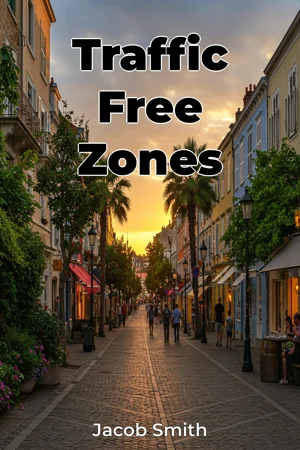
Have you ever imagined a city where the sounds of cars are replaced by the laughter of children, where the air is clean and breathable, and where community flourishes in pedestrian-friendly spaces? "Traffic Free Zones" explores the transformative potential of reimagining urban environments by prioritizing people over vehicles. This book delves into the critical aspects of pedestrian-only city areas, focusing on their impact on air quality, mobility, and social interaction, and argues for a broader adoption of these zones as a cornerstone of sustainable urban planning. The book’s significance lies in addressing the urgent need for innovative solutions to combat urban pollution, improve pedestrian safety, and enhance community well-being in an increasingly congested world. Contextually, the rise of automobile-centric urban design in the 20th century has resulted in numerous challenges, including increased air pollution, traffic congestion, and decreased social cohesion. This has led to renewed interest in alternative urban planning models that prioritize pedestrians, cyclists, and public transportation. Understanding the historical context of urban development and the environmental and social consequences of prioritizing vehicular traffic is crucial for grasping the necessity and benefits of traffic-free zones. Readers will gain a foundational understanding of urban planning principles and the concept of "complete streets" before diving into the specific impacts of pedestrian-only zones. "Traffic Free Zones" argues that the strategic implementation of pedestrian-only zones can significantly improve the quality of urban life by mitigating air pollution, promoting sustainable mobility, and fostering stronger social connections. This argument is presented through a multifaceted examination of existing traffic-free areas around the globe, analyzing their successes and failures, and providing a framework for effective implementation in diverse urban settings. The book is structured to provide a comprehensive understanding of the subject matter. It begins by defining traffic-free zones and exploring their historical evolution and various forms. Subsequently, it delves into the core areas of impact: air quality, mobility, and social interaction. Each of these is analyzed in detail, drawing upon empirical evidence and case studies. The second section examines the practical aspects of implementing traffic-free zones, addressing challenges such as traffic management, economic impacts on local businesses, and public acceptance. The concluding section synthesizes the findings, offering policy recommendations and a vision for the future of pedestrian-centered urban spaces. The evidence presented in "Traffic Free Zones" is drawn from a range of sources, including academic research, government reports, urban planning studies, and on-site observations of existing pedestrian zones. Data on air quality improvements, pedestrian traffic patterns, and economic activity in these zones are analyzed to support the book's arguments. Unique data sources, such as pedestrian count data collected through advanced sensor technologies and social interaction metrics gathered through ethnographic studies, are also incorporated. The book connects to several other fields of study, including environmental science, urban sociology, and public health. The discussion of air quality improvements draws upon environmental science principles, while the analysis of social interaction is informed by urban sociology. The impact of traffic-free zones on physical activity and public health is also explored, highlighting the interdisciplinary nature of the topic. These connections enhance the book’s central argument by demonstrating the wide-ranging benefits of pedestrian-centered urban planning. "Traffic Free Zones" offers a unique perspective by combining a rigorous analysis of empirical data with a human-centered approach to urban planning. It goes beyond simply advocating for traffic-free zones and instead offers a nuanced understanding of the factors that contribute to their success or failure. The tone is professional and informative, yet accessible to a broad audience, avoiding overly technical jargon and presenting complex information in a clear and engaging manner. The intended audience includes urban planners, policymakers, environmental advocates, and anyone interested in creating more livable and sustainable cities. The book provides valuable insights and practical guidance for those seeking to implement or study traffic-free zones. As a work of social science and environmental studies, "Traffic Free Zones" adheres to the genre's conventions by presenting evidence-based arguments, citing relevant research, and offering policy recommendations. It also acknowledges the limitations of its scope, focusing primarily on the impacts of traffic-free zones on air quality, mobility, and social interaction, while acknowledging that other factors, such as economic development and cultural preservation, also play a role in urban planning. The information presented in "Traffic Free Zones" can be applied in a variety of real-world settings, from the design of new urban developments to the revitalization of existing city centers. It provides a framework for assessing the feasibility of implementing traffic-free zones and for addressing potential challenges. The book also acknowledges ongoing debates surrounding the implementation of traffic-free zones, such as concerns about the impact on local businesses and the accessibility of these zones for people with disabilities. By addressing these controversies head-on, the book offers a balanced and nuanced perspective on the topic.
Have you ever imagined a city where the sounds of cars are replaced by the laughter of children, where the air is clean and breathable, and where community flourishes in pedestrian-friendly spaces? "Traffic Free Zones" explores the transformative potential of reimagining urban environments by prioritizing people over vehicles. This book delves into the critical aspects of pedestrian-only city areas, focusing on their impact on air quality, mobility, and social interaction, and argues for a broader adoption of these zones as a cornerstone of sustainable urban planning. The book’s significance lies in addressing the urgent need for innovative solutions to combat urban pollution, improve pedestrian safety, and enhance community well-being in an increasingly congested world. Contextually, the rise of automobile-centric urban design in the 20th century has resulted in numerous challenges, including increased air pollution, traffic congestion, and decreased social cohesion. This has led to renewed interest in alternative urban planning models that prioritize pedestrians, cyclists, and public transportation. Understanding the historical context of urban development and the environmental and social consequences of prioritizing vehicular traffic is crucial for grasping the necessity and benefits of traffic-free zones. Readers will gain a foundational understanding of urban planning principles and the concept of "complete streets" before diving into the specific impacts of pedestrian-only zones. "Traffic Free Zones" argues that the strategic implementation of pedestrian-only zones can significantly improve the quality of urban life by mitigating air pollution, promoting sustainable mobility, and fostering stronger social connections. This argument is presented through a multifaceted examination of existing traffic-free areas around the globe, analyzing their successes and failures, and providing a framework for effective implementation in diverse urban settings. The book is structured to provide a comprehensive understanding of the subject matter. It begins by defining traffic-free zones and exploring their historical evolution and various forms. Subsequently, it delves into the core areas of impact: air quality, mobility, and social interaction. Each of these is analyzed in detail, drawing upon empirical evidence and case studies. The second section examines the practical aspects of implementing traffic-free zones, addressing challenges such as traffic management, economic impacts on local businesses, and public acceptance. The concluding section synthesizes the findings, offering policy recommendations and a vision for the future of pedestrian-centered urban spaces. The evidence presented in "Traffic Free Zones" is drawn from a range of sources, including academic research, government reports, urban planning studies, and on-site observations of existing pedestrian zones. Data on air quality improvements, pedestrian traffic patterns, and economic activity in these zones are analyzed to support the book's arguments. Unique data sources, such as pedestrian count data collected through advanced sensor technologies and social interaction metrics gathered through ethnographic studies, are also incorporated. The book connects to several other fields of study, including environmental science, urban sociology, and public health. The discussion of air quality improvements draws upon environmental science principles, while the analysis of social interaction is informed by urban sociology. The impact of traffic-free zones on physical activity and public health is also explored, highlighting the interdisciplinary nature of the topic. These connections enhance the book’s central argument by demonstrating the wide-ranging benefits of pedestrian-centered urban planning. "Traffic Free Zones" offers a unique perspective by combining a rigorous analysis of empirical data with a human-centered approach to urban planning. It goes beyond simply advocating for traffic-free zones and instead offers a nuanced understanding of the factors that contribute to their success or failure. The tone is professional and informative, yet accessible to a broad audience, avoiding overly technical jargon and presenting complex information in a clear and engaging manner. The intended audience includes urban planners, policymakers, environmental advocates, and anyone interested in creating more livable and sustainable cities. The book provides valuable insights and practical guidance for those seeking to implement or study traffic-free zones. As a work of social science and environmental studies, "Traffic Free Zones" adheres to the genre's conventions by presenting evidence-based arguments, citing relevant research, and offering policy recommendations. It also acknowledges the limitations of its scope, focusing primarily on the impacts of traffic-free zones on air quality, mobility, and social interaction, while acknowledging that other factors, such as economic development and cultural preservation, also play a role in urban planning. The information presented in "Traffic Free Zones" can be applied in a variety of real-world settings, from the design of new urban developments to the revitalization of existing city centers. It provides a framework for assessing the feasibility of implementing traffic-free zones and for addressing potential challenges. The book also acknowledges ongoing debates surrounding the implementation of traffic-free zones, such as concerns about the impact on local businesses and the accessibility of these zones for people with disabilities. By addressing these controversies head-on, the book offers a balanced and nuanced perspective on the topic.
"Traffic Free Zones" explores the increasingly vital concept of pedestrian-only zones in urban environments and their profound impact on creating more livable cities. It argues that prioritizing people over vehicles can lead to significant improvements in air quality, mobility, and social interaction, ultimately contributing to sustainable urban planning. The book examines the historical context of car-centric urban design, which has led to increased pollution and decreased community bonds. It highlights how strategic implementation of traffic-free zones can reshape urban life, noting that some cities have seen dramatic improvements to pedestrian safety and public health after implementation. The book is structured to provide a comprehensive understanding of traffic-free zones, starting with their definition and historical evolution. It then delves into core impact areas such as air quality, sustainable mobility, and social interaction, using empirical evidence and case studies. For example, data from pedestrian count sensors and ethnographic studies are used to support the arguments. Later chapters address practical aspects of implementation, including traffic management and economic impacts, to provide policy recommendations for creating pedestrian-centered urban spaces.
Book Details
ISBN
9788233997397
Publisher
Publifye AS
Your Licenses
You don't own any licenses for this book
Purchase a license below to unlock this book and download the EPUB.
Purchase License
Select a tier to unlock this book
Need bulk licensing?
Contact us for enterprise agreements.