
About This Book
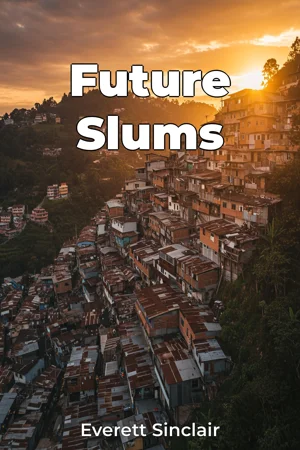
Are we sleepwalking into a future defined by sprawling, ungoverned slums? "Future Slums" confronts this urgent question head-on, examining the complex dynamics of unplanned urban settlements and exploring viable solutions for creating affordable and sustainable housing for the world’s rapidly growing urban population. This book delves into the critical intersection of social science, architecture, and urban planning, providing a comprehensive analysis of the factors driving the expansion of informal settlements and presenting innovative strategies to mitigate their negative impacts. The book addresses several key topics: the underlying causes of slum formation, the socio-economic and environmental consequences of unplanned urbanization, and the potential for implementing effective and scalable housing solutions. These topics are of paramount importance given the current trajectory—UN projections indicate a significant increase in the global slum population in the coming decades, posing a serious threat to social stability, public health, and environmental sustainability. Understanding the root causes and developing proactive strategies is crucial for ensuring a more equitable and sustainable urban future. We begin by exploring the historical and socio-economic context that gives rise to slums, examining factors such as rapid population growth, rural-urban migration, inadequate governance, and economic inequality. This historical perspective lays the groundwork for understanding the complex interplay of forces that shape the growth and characteristics of these settlements. Key to understanding the development of future slums is looking at past and present slums from around the world. The central argument of "Future Slums" is that the proliferation of unplanned settlements is not an inevitable outcome of urbanization but rather a consequence of systemic failures in urban planning, governance, and economic policy. The book posits that by adopting a holistic and integrated approach that prioritizes affordable housing, sustainable infrastructure, and community participation, we can effectively address the challenges posed by slum formation and create more inclusive and resilient cities. "Future Slums" is structured to provide a clear and logical progression of ideas. First, it introduces the core concepts related to urbanization, informal settlements, and sustainable development. Second, it delves into the drivers and consequences of slum formation, examining case studies from various regions around the world. Third, it explores a range of potential solutions, focusing on innovative approaches to affordable housing, infrastructure provision, and community empowerment. Finally, it synthesizes the findings and offers actionable recommendations for policymakers, urban planners, and community stakeholders. The arguments presented in the book are supported by a wide range of evidence, including statistical data, case studies, policy analysis, and field research. It draws upon data from international organizations such as the United Nations, the World Bank, and the International Labour Organization, as well as academic research from various disciplines. "Future Slums" incorporates both quantitative and qualitative data, including ethnographic studies and interviews with residents of informal settlements, to provide a nuanced and comprehensive understanding of the challenges and opportunities associated with slum upgrading and prevention. This book sits at the intersection of several academic disciplines, including sociology, economics, political science, architecture, and urban planning. It connects to broader themes related to global inequality, sustainable development, and human rights. By drawing upon insights from these diverse fields, "Future Slums" offers a more comprehensive and nuanced perspective on the challenges of unplanned urbanization. "Future Slums" differentiates itself through its future-oriented approach, emphasizing proactive strategies for preventing the formation of new slums rather than solely focusing on upgrading existing ones. It also offers a more nuanced perspective on the role of technology and innovation in addressing the challenges of affordable housing and sustainable infrastructure. The book employs an analytical and evidence-based writing style, aiming to inform and engage a broad audience of policymakers, researchers, practitioners, and concerned citizens. The book's target audience includes urban planners, policymakers, architects, social scientists, and anyone interested in understanding and addressing the challenges of unplanned urbanization. It will be of particular value to students and researchers in the fields of urban studies, development studies, and architecture. The information presented in "Future Slums" can be applied practically by readers working in government agencies, non-governmental organizations, and private sector companies involved in urban development and housing. The book acknowledges the ongoing debates and controversies surrounding slum upgrading and prevention, including discussions about land tenure, property rights, and the role of government intervention. It seeks to provide a balanced and informed perspective on these complex issues, recognizing the diverse interests and perspectives of different stakeholders. The scope of "Future Slums" is global, examining case studies from various regions around the world. However, it also recognizes the unique challenges and opportunities associated with different local contexts. The book does not offer a one-size-fits-all solution but rather emphasizes the importance of tailoring strategies to specific local conditions. By understanding the complex dynamics of slum formation and implementing effective and sustainable solutions, we can work towards creating more inclusive, resilient, and equitable cities for all. "Future Slums" provides a roadmap for achieving this goal, offering a comprehensive and insightful analysis of the challenges and opportunities that lie ahead.
Are we sleepwalking into a future defined by sprawling, ungoverned slums? "Future Slums" confronts this urgent question head-on, examining the complex dynamics of unplanned urban settlements and exploring viable solutions for creating affordable and sustainable housing for the world’s rapidly growing urban population. This book delves into the critical intersection of social science, architecture, and urban planning, providing a comprehensive analysis of the factors driving the expansion of informal settlements and presenting innovative strategies to mitigate their negative impacts. The book addresses several key topics: the underlying causes of slum formation, the socio-economic and environmental consequences of unplanned urbanization, and the potential for implementing effective and scalable housing solutions. These topics are of paramount importance given the current trajectory—UN projections indicate a significant increase in the global slum population in the coming decades, posing a serious threat to social stability, public health, and environmental sustainability. Understanding the root causes and developing proactive strategies is crucial for ensuring a more equitable and sustainable urban future. We begin by exploring the historical and socio-economic context that gives rise to slums, examining factors such as rapid population growth, rural-urban migration, inadequate governance, and economic inequality. This historical perspective lays the groundwork for understanding the complex interplay of forces that shape the growth and characteristics of these settlements. Key to understanding the development of future slums is looking at past and present slums from around the world. The central argument of "Future Slums" is that the proliferation of unplanned settlements is not an inevitable outcome of urbanization but rather a consequence of systemic failures in urban planning, governance, and economic policy. The book posits that by adopting a holistic and integrated approach that prioritizes affordable housing, sustainable infrastructure, and community participation, we can effectively address the challenges posed by slum formation and create more inclusive and resilient cities. "Future Slums" is structured to provide a clear and logical progression of ideas. First, it introduces the core concepts related to urbanization, informal settlements, and sustainable development. Second, it delves into the drivers and consequences of slum formation, examining case studies from various regions around the world. Third, it explores a range of potential solutions, focusing on innovative approaches to affordable housing, infrastructure provision, and community empowerment. Finally, it synthesizes the findings and offers actionable recommendations for policymakers, urban planners, and community stakeholders. The arguments presented in the book are supported by a wide range of evidence, including statistical data, case studies, policy analysis, and field research. It draws upon data from international organizations such as the United Nations, the World Bank, and the International Labour Organization, as well as academic research from various disciplines. "Future Slums" incorporates both quantitative and qualitative data, including ethnographic studies and interviews with residents of informal settlements, to provide a nuanced and comprehensive understanding of the challenges and opportunities associated with slum upgrading and prevention. This book sits at the intersection of several academic disciplines, including sociology, economics, political science, architecture, and urban planning. It connects to broader themes related to global inequality, sustainable development, and human rights. By drawing upon insights from these diverse fields, "Future Slums" offers a more comprehensive and nuanced perspective on the challenges of unplanned urbanization. "Future Slums" differentiates itself through its future-oriented approach, emphasizing proactive strategies for preventing the formation of new slums rather than solely focusing on upgrading existing ones. It also offers a more nuanced perspective on the role of technology and innovation in addressing the challenges of affordable housing and sustainable infrastructure. The book employs an analytical and evidence-based writing style, aiming to inform and engage a broad audience of policymakers, researchers, practitioners, and concerned citizens. The book's target audience includes urban planners, policymakers, architects, social scientists, and anyone interested in understanding and addressing the challenges of unplanned urbanization. It will be of particular value to students and researchers in the fields of urban studies, development studies, and architecture. The information presented in "Future Slums" can be applied practically by readers working in government agencies, non-governmental organizations, and private sector companies involved in urban development and housing. The book acknowledges the ongoing debates and controversies surrounding slum upgrading and prevention, including discussions about land tenure, property rights, and the role of government intervention. It seeks to provide a balanced and informed perspective on these complex issues, recognizing the diverse interests and perspectives of different stakeholders. The scope of "Future Slums" is global, examining case studies from various regions around the world. However, it also recognizes the unique challenges and opportunities associated with different local contexts. The book does not offer a one-size-fits-all solution but rather emphasizes the importance of tailoring strategies to specific local conditions. By understanding the complex dynamics of slum formation and implementing effective and sustainable solutions, we can work towards creating more inclusive, resilient, and equitable cities for all. "Future Slums" provides a roadmap for achieving this goal, offering a comprehensive and insightful analysis of the challenges and opportunities that lie ahead.
"Future Slums" explores the pressing issue of rapidly growing unplanned urban settlements and the urgent need for sustainable housing solutions. It examines the intersection of architecture, social science, and urban planning, highlighting the systemic failures in urban development that lead to slum formation. The book argues that the proliferation of these informal settlements isn't inevitable but rather a consequence of inadequate planning, governance, and economic policies. Did you know UN projections indicate a significant increase in the global slum population, posing threats to social stability and public health? The book progresses logically, starting with the historical and socio-economic context of slums, examining factors like rapid urbanization and economic inequality. It then delves into the drivers and consequences of slum formation through global case studies, before exploring innovative approaches to affordable housing and community empowerment. By understanding these dynamics and adopting a holistic approach, we can create more inclusive and resilient cities.
Book Details
ISBN
9788233997342
Publisher
Publifye AS
Your Licenses
You don't own any licenses for this book
Purchase a license below to unlock this book and download the EPUB.
Purchase License
Select a tier to unlock this book
Need bulk licensing?
Contact us for enterprise agreements.