
About This Book
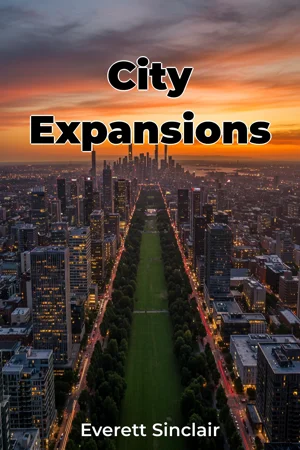
Are our cities destined to sprawl endlessly, or can we forge a path toward a more sustainable urban future? "City Expansions" delves into the multifaceted phenomenon of urban growth, exploring the inherent challenges and presenting innovative strategies for smart and sustainable development. This book addresses two critical themes: the patterns and drivers of city expansions globally, and the effectiveness of various planning interventions in shaping more livable and resilient urban environments. Understanding how and why cities grow is vital for policymakers, urban planners, and citizens alike, as unchecked expansion exacerbates environmental degradation, social inequality, and economic inefficiencies. This book provides a comprehensive analysis of urban expansion, beginning with an historical overview of urbanization and its accelerating pace in the 20th and 21st centuries. Essential background is provided on key concepts such as urban morphology, land economics, and transportation planning, allowing readers to understand the complexities underpinning urban development. The central argument revolves around the premise that city expansion is not an uncontrollable force, but rather a process that can be guided toward more sustainable outcomes through informed policy, innovative design, and community engagement. The structure of the book unfolds in a logical progression. First, it establishes a global overview of urbanization trends, highlighting regional variations and common drivers such as population growth, economic development, and technological advancements. Second, the book examines various challenges associated with urban expansion, including environmental impacts like deforestation and pollution, social concerns such as segregation and displacement, and economic issues like infrastructure deficits and rising housing costs. Third, it explores a range of strategies for smart and sustainable development, including compact city models, transit-oriented development, green infrastructure, and participatory planning approaches. Finally, the book culminates with case studies from diverse urban contexts, illustrating the practical application and effectiveness of these strategies. The evidence presented in "City Expansions" draws from a variety of sources, including statistical data from international organizations, geospatial analysis of urban growth patterns, and qualitative case studies of successful and unsuccessful development projects. A unique aspect of the research involves analyzing the impact of specific policy interventions on urban form and environmental outcomes using longitudinal data and comparative analysis. The book connects to several other fields of study, including environmental science, sociology, and economics. The analysis of environmental impacts requires integrating knowledge from ecology and climate science, while understanding the social consequences of urban expansion necessitates drawing on sociological research on inequality and social cohesion. Economic principles inform the discussion of land markets, housing affordability, and infrastructure financing. "City Expansions" offers a unique perspective by emphasizing the interconnectedness of urban, social, and environmental systems. It moves beyond simplistic prescriptions for urban growth, advocating for a holistic and integrated approach that considers the diverse needs and perspectives of all stakeholders. The book adopts an academic yet accessible tone, presenting complex information in a clear and engaging manner. It is intended for a broad audience, including students and scholars in urban planning, architecture, and related fields, as well as policymakers, practitioners, and engaged citizens interested in shaping the future of cities. The scope of the book is global, encompassing a wide range of urban contexts and development challenges. However, it acknowledges that specific solutions must be tailored to local conditions and cultural contexts, and does not provide universal prescriptions for all urban areas. The information presented in "City Expansions" has numerous real-world applications. It can inform the development of urban plans and policies, guide investment decisions in infrastructure and housing, and empower citizens to advocate for more sustainable and equitable urban development. The book also addresses ongoing debates regarding the optimal density of cities and the role of government regulation in shaping urban form, offering evidence-based insights to inform these discussions.
Are our cities destined to sprawl endlessly, or can we forge a path toward a more sustainable urban future? "City Expansions" delves into the multifaceted phenomenon of urban growth, exploring the inherent challenges and presenting innovative strategies for smart and sustainable development. This book addresses two critical themes: the patterns and drivers of city expansions globally, and the effectiveness of various planning interventions in shaping more livable and resilient urban environments. Understanding how and why cities grow is vital for policymakers, urban planners, and citizens alike, as unchecked expansion exacerbates environmental degradation, social inequality, and economic inefficiencies. This book provides a comprehensive analysis of urban expansion, beginning with an historical overview of urbanization and its accelerating pace in the 20th and 21st centuries. Essential background is provided on key concepts such as urban morphology, land economics, and transportation planning, allowing readers to understand the complexities underpinning urban development. The central argument revolves around the premise that city expansion is not an uncontrollable force, but rather a process that can be guided toward more sustainable outcomes through informed policy, innovative design, and community engagement. The structure of the book unfolds in a logical progression. First, it establishes a global overview of urbanization trends, highlighting regional variations and common drivers such as population growth, economic development, and technological advancements. Second, the book examines various challenges associated with urban expansion, including environmental impacts like deforestation and pollution, social concerns such as segregation and displacement, and economic issues like infrastructure deficits and rising housing costs. Third, it explores a range of strategies for smart and sustainable development, including compact city models, transit-oriented development, green infrastructure, and participatory planning approaches. Finally, the book culminates with case studies from diverse urban contexts, illustrating the practical application and effectiveness of these strategies. The evidence presented in "City Expansions" draws from a variety of sources, including statistical data from international organizations, geospatial analysis of urban growth patterns, and qualitative case studies of successful and unsuccessful development projects. A unique aspect of the research involves analyzing the impact of specific policy interventions on urban form and environmental outcomes using longitudinal data and comparative analysis. The book connects to several other fields of study, including environmental science, sociology, and economics. The analysis of environmental impacts requires integrating knowledge from ecology and climate science, while understanding the social consequences of urban expansion necessitates drawing on sociological research on inequality and social cohesion. Economic principles inform the discussion of land markets, housing affordability, and infrastructure financing. "City Expansions" offers a unique perspective by emphasizing the interconnectedness of urban, social, and environmental systems. It moves beyond simplistic prescriptions for urban growth, advocating for a holistic and integrated approach that considers the diverse needs and perspectives of all stakeholders. The book adopts an academic yet accessible tone, presenting complex information in a clear and engaging manner. It is intended for a broad audience, including students and scholars in urban planning, architecture, and related fields, as well as policymakers, practitioners, and engaged citizens interested in shaping the future of cities. The scope of the book is global, encompassing a wide range of urban contexts and development challenges. However, it acknowledges that specific solutions must be tailored to local conditions and cultural contexts, and does not provide universal prescriptions for all urban areas. The information presented in "City Expansions" has numerous real-world applications. It can inform the development of urban plans and policies, guide investment decisions in infrastructure and housing, and empower citizens to advocate for more sustainable and equitable urban development. The book also addresses ongoing debates regarding the optimal density of cities and the role of government regulation in shaping urban form, offering evidence-based insights to inform these discussions.
"City Expansions" explores the complex phenomenon of urban growth and pathways to sustainable urban development. It examines global urbanization trends, revealing how cities are expanding and the driving forces behind this expansion, such as population growth and economic development. The book uniquely emphasizes that city expansion isn't an uncontrollable force, but a process that can be guided towards sustainability through informed policy and community engagement. The analysis progresses from a historical overview to the challenges of urban sprawl, including environmental degradation and social inequality. It highlights strategies such as transit-oriented development and green infrastructure, supported by diverse evidence, including statistical data and case studies. A key insight is the interconnectedness of urban, social, and environmental systems, advocating for holistic approaches in city planning and urban design. The book, intended for a broad audience from students to policymakers, adopts an accessible tone to present complex information. Case studies from diverse urban contexts illustrate both successful and unsuccessful development projects. "City Expansions" offers a comprehensive understanding of urbanization, equipping readers with knowledge to shape more livable and resilient urban environments.
Book Details
ISBN
9788233997304
Publisher
Publifye AS
Your Licenses
You don't own any licenses for this book
Purchase a license below to unlock this book and download the EPUB.
Purchase License
Select a tier to unlock this book
Need bulk licensing?
Contact us for enterprise agreements.