
About This Book
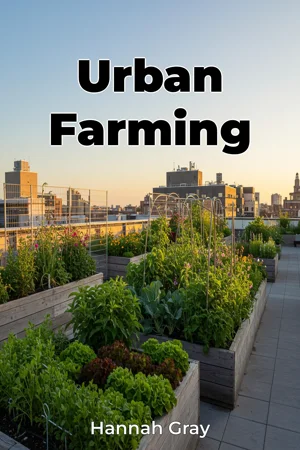
Can cities feed themselves? _Urban Farming_ explores how innovative approaches to food production are transforming urban landscapes and creating more sustainable, resilient communities. This book delves into the rise of vertical farms, rooftop gardens, and other forms of urban agriculture, examining their potential to address pressing environmental and social challenges. The core of this book revolves around three key concepts: the integration of agriculture into urban planning, the application of technology to enhance food production efficiency, and the empowerment of communities through local food systems. These topics are significant because they offer pathways to mitigate climate change, reduce food insecurity, and improve public health in increasingly urbanized regions. The reader requires no expert knowledge but a general awareness of environmental issues and an interest in sustainable solutions is helpful. This book argues that urban farming is not merely a niche trend but a crucial component of a sustainable future. Growing food within city limits can shorten supply chains, decrease transportation emissions, and provide access to fresh, healthy produce for urban residents. The book's main argument emphasizes that urban farming can foster greater community engagement, create economic opportunities, and enhance the overall quality of life in urban environments, however, it's also important to acknowledge its limitations and challenges. The book follows a structured approach, beginning with an introduction to the historical context of urban agriculture and its modern resurgence (Part 1). Part 2 delves into the various methods of urban farming, including vertical farms, rooftop gardens, aquaponics, and community gardens, providing detailed explanations of their operations, benefits, and drawbacks. Part 3 focuses on the social and economic impacts of urban farming, examining its role in addressing food deserts, creating jobs, and promoting environmental justice. Finally, Part 4 explores the policy and regulatory frameworks that can support or hinder the development of urban agriculture, offering recommendations for creating enabling environments for these initiatives. Throughout the book, evidence will be presented from diverse sources, including case studies of successful urban farms, scientific research on the environmental impacts of different farming methods, and economic analyses of the costs and benefits of urban agriculture. Data from government reports, academic journals, and industry publications will be used to support the arguments and provide a comprehensive overview of the field. This book connects to multiple fields, including environmental science, urban planning, economics, and public health. From an environmental science perspective, it examines water and energy consumption, waste reduction, and biodiversity conservation within urban ecosystems. From an urban planning standpoint, it explores land use, zoning regulations, and community development strategies related to urban agriculture. From an economic point, it analyzes the business models, job creation, and market opportunities associated with urban farming. From a public health point, the impact of access to fresh produce on the physical and mental well-being of urban populations is taken into consideration. This book takes a balanced approach, acknowledging both the potential and limitations of urban farming. It provides a nuanced perspective on the challenges of scaling up urban agriculture, addressing issues such as land availability, infrastructure costs, and regulatory hurdles. The writing style is accessible and informative, aimed at making complex topics understandable for a broad audience. _Urban Farming_ is intended for anyone interested in sustainable food systems, urban planning, environmental issues, or community development. This includes students, policymakers, urban planners, community activists, gardeners, and anyone curious about creating more resilient and sustainable cities. In line with the conventions of gardening and environmental non-fiction, the book includes practical suggestions, case studies, and clear explanations of scientific concepts. The scope of this book is broad, covering a range of urban farming methods and their impacts. However, it does not delve into the technical details of specific farming techniques or crop varieties. The focus is on providing a comprehensive overview of the field and its potential to transform urban landscapes. The information in this book can be applied by readers in numerous ways. Urban planners can use it to inform policies and regulations that support urban agriculture. Community activists can use it to advocate for local food systems and create community gardens. Individuals can use it to start their own rooftop gardens or participate in urban farming initiatives. While urban farming holds immense promise, it also faces debates. One debate centers around the efficiency of urban farming compared to traditional agriculture, especially relating to energy consumption. Another debate surrounds the allocation of limited urban resources, such as land and water, between agriculture and other urban needs. _Urban Farming_ aims to present these debates fairly, offering insights from diverse perspectives.
Can cities feed themselves? _Urban Farming_ explores how innovative approaches to food production are transforming urban landscapes and creating more sustainable, resilient communities. This book delves into the rise of vertical farms, rooftop gardens, and other forms of urban agriculture, examining their potential to address pressing environmental and social challenges. The core of this book revolves around three key concepts: the integration of agriculture into urban planning, the application of technology to enhance food production efficiency, and the empowerment of communities through local food systems. These topics are significant because they offer pathways to mitigate climate change, reduce food insecurity, and improve public health in increasingly urbanized regions. The reader requires no expert knowledge but a general awareness of environmental issues and an interest in sustainable solutions is helpful. This book argues that urban farming is not merely a niche trend but a crucial component of a sustainable future. Growing food within city limits can shorten supply chains, decrease transportation emissions, and provide access to fresh, healthy produce for urban residents. The book's main argument emphasizes that urban farming can foster greater community engagement, create economic opportunities, and enhance the overall quality of life in urban environments, however, it's also important to acknowledge its limitations and challenges. The book follows a structured approach, beginning with an introduction to the historical context of urban agriculture and its modern resurgence (Part 1). Part 2 delves into the various methods of urban farming, including vertical farms, rooftop gardens, aquaponics, and community gardens, providing detailed explanations of their operations, benefits, and drawbacks. Part 3 focuses on the social and economic impacts of urban farming, examining its role in addressing food deserts, creating jobs, and promoting environmental justice. Finally, Part 4 explores the policy and regulatory frameworks that can support or hinder the development of urban agriculture, offering recommendations for creating enabling environments for these initiatives. Throughout the book, evidence will be presented from diverse sources, including case studies of successful urban farms, scientific research on the environmental impacts of different farming methods, and economic analyses of the costs and benefits of urban agriculture. Data from government reports, academic journals, and industry publications will be used to support the arguments and provide a comprehensive overview of the field. This book connects to multiple fields, including environmental science, urban planning, economics, and public health. From an environmental science perspective, it examines water and energy consumption, waste reduction, and biodiversity conservation within urban ecosystems. From an urban planning standpoint, it explores land use, zoning regulations, and community development strategies related to urban agriculture. From an economic point, it analyzes the business models, job creation, and market opportunities associated with urban farming. From a public health point, the impact of access to fresh produce on the physical and mental well-being of urban populations is taken into consideration. This book takes a balanced approach, acknowledging both the potential and limitations of urban farming. It provides a nuanced perspective on the challenges of scaling up urban agriculture, addressing issues such as land availability, infrastructure costs, and regulatory hurdles. The writing style is accessible and informative, aimed at making complex topics understandable for a broad audience. _Urban Farming_ is intended for anyone interested in sustainable food systems, urban planning, environmental issues, or community development. This includes students, policymakers, urban planners, community activists, gardeners, and anyone curious about creating more resilient and sustainable cities. In line with the conventions of gardening and environmental non-fiction, the book includes practical suggestions, case studies, and clear explanations of scientific concepts. The scope of this book is broad, covering a range of urban farming methods and their impacts. However, it does not delve into the technical details of specific farming techniques or crop varieties. The focus is on providing a comprehensive overview of the field and its potential to transform urban landscapes. The information in this book can be applied by readers in numerous ways. Urban planners can use it to inform policies and regulations that support urban agriculture. Community activists can use it to advocate for local food systems and create community gardens. Individuals can use it to start their own rooftop gardens or participate in urban farming initiatives. While urban farming holds immense promise, it also faces debates. One debate centers around the efficiency of urban farming compared to traditional agriculture, especially relating to energy consumption. Another debate surrounds the allocation of limited urban resources, such as land and water, between agriculture and other urban needs. _Urban Farming_ aims to present these debates fairly, offering insights from diverse perspectives.
"Urban Farming" explores how integrating agriculture into cities can address environmental and social challenges, creating sustainable food systems. It examines the rise of rooftop gardens and vertical farms, highlighting the potential to shorten supply chains and provide access to fresh produce. The book argues that urban farming is not just a trend but a vital component of a sustainable future, fostering community engagement and economic opportunities. It presents evidence from case studies and research, connecting to environmental science, urban planning, and public health. The book progresses from the historical context of urban agriculture to various methods like aquaponics and community gardens, detailing their benefits and drawbacks. It delves into the social and economic impacts, such as addressing food deserts and creating jobs, before exploring policy and regulatory frameworks. Readers will gain insights into how urban farming can mitigate climate change and improve public health, while also understanding the challenges of scaling up these initiatives, like land availability and infrastructure costs. This book is uniquely valuable for those interested in sustainable cities, urban planning, and environmental issues. It offers practical suggestions and clear explanations of scientific concepts, making complex topics accessible. While acknowledging debates around efficiency and resource allocation, the book presents a balanced view, making it an informative resource for students, policymakers, and community activists alike.
Book Details
ISBN
9788233997229
Publisher
Publifye AS
Your Licenses
You don't own any licenses for this book
Purchase a license below to unlock this book and download the EPUB.
Purchase License
Select a tier to unlock this book
Need bulk licensing?
Contact us for enterprise agreements.