
About This Book
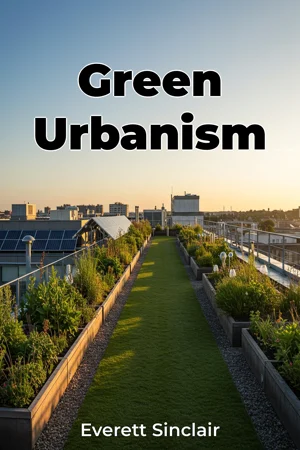
Can cities truly become harmonious ecosystems, fostering both human well-being and environmental health? "Green Urbanism" explores the multifaceted approach to designing and developing urban spaces in ways that minimize environmental impact and maximize quality of life for residents. This book delves into the core principles of integrating nature into the urban fabric, utilizing sustainable materials in construction, and implementing eco-conscious planning strategies to create thriving, resilient communities. The book addresses the crucial need for sustainable urban development in the face of growing populations and increasing environmental challenges. It examines how innovative architectural designs and urban planning policies can contribute to mitigating climate change, reducing pollution, and conserving natural resources. Furthermore, it emphasizes the importance of creating equitable and accessible urban environments that promote social cohesion and enhance public health. Historically, urban development has often prioritized economic growth over environmental protection, leading to ecological degradation and social inequalities. However, a growing awareness of these consequences has spurred a movement toward more sustainable and holistic approaches to urban design. This book builds upon existing knowledge of sustainable architecture, urban planning, and environmental science, assuming a basic understanding of these fields. The central argument of "Green Urbanism" is that cities can and must be transformed into ecologically sound and socially just environments through the strategic implementation of green infrastructure, sustainable building practices, and comprehensive urban planning. This transformation is not merely an idealistic goal but a practical imperative for ensuring the long-term viability and resilience of urban centers in the 21st century. The book is structured to provide a comprehensive overview of green urbanism principles and practices. It begins by introducing the core concepts of sustainable urban development, including ecological design, resource efficiency, and social equity. The book then explores key areas such as green infrastructure, examining how parks, green roofs, and urban forests can improve air and water quality, reduce urban heat island effects, and enhance biodiversity. A significant portion of the book is dedicated to sustainable building materials and construction techniques, analyzing the environmental impacts of different materials and showcasing innovative approaches to minimizing waste and energy consumption. The later chapters focus on urban planning strategies, including mixed-use development, transit-oriented design, and community engagement, demonstrating how these approaches can create more walkable, bikeable, and livable cities. The book culminates with case studies of successful green urbanism projects from around the world, illustrating the practical application of these principles and highlighting the challenges and opportunities involved in their implementation. The arguments presented in "Green Urbanism" are supported by a wide range of evidence and research, including empirical studies, statistical data, and case studies. It draws upon data from government agencies, academic institutions, and industry reports to provide a fact-based and rigorous analysis of green urbanism practices. The book also incorporates qualitative data from interviews with urban planners, architects, and community stakeholders to provide a nuanced understanding of the social and political dynamics involved in sustainable urban development. "Green Urbanism" connects to various fields, including environmental science, sociology, and public policy. It explores the ecological impacts of urban development, the social implications of urban design, and the policy frameworks that can promote sustainable urban practices. These connections enrich the book's argument by providing a multidisciplinary perspective on the challenges and opportunities of creating green cities. What distinguishes this book is its holistic and integrated approach to green urbanism. It moves beyond a narrow focus on individual buildings or technologies to examine the broader systems and processes that shape urban environments, providing a practical guide for creating sustainable, resilient, and equitable cities. Written in a professional and accessible style, "Green Urbanism" is intended for a broad audience, including architects, urban planners, policymakers, developers, and students. Furthermore, anyone interested in sustainability, environmental conservation, or community development will find this book valuable. It examines architecture, architecture general, and environmental concerns. The scope of "Green Urbanism" is intentionally broad, encompassing a wide range of topics related to sustainable urban development. However, it also acknowledges the limitations of any single book to cover all aspects of this complex field. While the book includes examples from around the world, it recognizes that the specific challenges and opportunities of green urbanism will vary depending on local contexts and conditions. The information presented in "Green Urbanism" can be applied practically by readers in a variety of ways. Architects and developers can use the book as a guide for designing and constructing more sustainable buildings. Urban planners and policymakers can use it to develop and implement policies that promote green infrastructure and sustainable transportation. Community stakeholders can use it to advocate for more equitable and environmentally friendly urban development in their neighborhoods. While the benefits of green urbanism are widely recognized, there are also ongoing debates about the best ways to achieve it. Some argue that technological solutions are the key to creating sustainable cities, while others emphasize the importance of social and behavioral changes. This book addresses these debates by presenting a balanced and nuanced perspective on the challenges and opportunities of green urbanism.
Can cities truly become harmonious ecosystems, fostering both human well-being and environmental health? "Green Urbanism" explores the multifaceted approach to designing and developing urban spaces in ways that minimize environmental impact and maximize quality of life for residents. This book delves into the core principles of integrating nature into the urban fabric, utilizing sustainable materials in construction, and implementing eco-conscious planning strategies to create thriving, resilient communities. The book addresses the crucial need for sustainable urban development in the face of growing populations and increasing environmental challenges. It examines how innovative architectural designs and urban planning policies can contribute to mitigating climate change, reducing pollution, and conserving natural resources. Furthermore, it emphasizes the importance of creating equitable and accessible urban environments that promote social cohesion and enhance public health. Historically, urban development has often prioritized economic growth over environmental protection, leading to ecological degradation and social inequalities. However, a growing awareness of these consequences has spurred a movement toward more sustainable and holistic approaches to urban design. This book builds upon existing knowledge of sustainable architecture, urban planning, and environmental science, assuming a basic understanding of these fields. The central argument of "Green Urbanism" is that cities can and must be transformed into ecologically sound and socially just environments through the strategic implementation of green infrastructure, sustainable building practices, and comprehensive urban planning. This transformation is not merely an idealistic goal but a practical imperative for ensuring the long-term viability and resilience of urban centers in the 21st century. The book is structured to provide a comprehensive overview of green urbanism principles and practices. It begins by introducing the core concepts of sustainable urban development, including ecological design, resource efficiency, and social equity. The book then explores key areas such as green infrastructure, examining how parks, green roofs, and urban forests can improve air and water quality, reduce urban heat island effects, and enhance biodiversity. A significant portion of the book is dedicated to sustainable building materials and construction techniques, analyzing the environmental impacts of different materials and showcasing innovative approaches to minimizing waste and energy consumption. The later chapters focus on urban planning strategies, including mixed-use development, transit-oriented design, and community engagement, demonstrating how these approaches can create more walkable, bikeable, and livable cities. The book culminates with case studies of successful green urbanism projects from around the world, illustrating the practical application of these principles and highlighting the challenges and opportunities involved in their implementation. The arguments presented in "Green Urbanism" are supported by a wide range of evidence and research, including empirical studies, statistical data, and case studies. It draws upon data from government agencies, academic institutions, and industry reports to provide a fact-based and rigorous analysis of green urbanism practices. The book also incorporates qualitative data from interviews with urban planners, architects, and community stakeholders to provide a nuanced understanding of the social and political dynamics involved in sustainable urban development. "Green Urbanism" connects to various fields, including environmental science, sociology, and public policy. It explores the ecological impacts of urban development, the social implications of urban design, and the policy frameworks that can promote sustainable urban practices. These connections enrich the book's argument by providing a multidisciplinary perspective on the challenges and opportunities of creating green cities. What distinguishes this book is its holistic and integrated approach to green urbanism. It moves beyond a narrow focus on individual buildings or technologies to examine the broader systems and processes that shape urban environments, providing a practical guide for creating sustainable, resilient, and equitable cities. Written in a professional and accessible style, "Green Urbanism" is intended for a broad audience, including architects, urban planners, policymakers, developers, and students. Furthermore, anyone interested in sustainability, environmental conservation, or community development will find this book valuable. It examines architecture, architecture general, and environmental concerns. The scope of "Green Urbanism" is intentionally broad, encompassing a wide range of topics related to sustainable urban development. However, it also acknowledges the limitations of any single book to cover all aspects of this complex field. While the book includes examples from around the world, it recognizes that the specific challenges and opportunities of green urbanism will vary depending on local contexts and conditions. The information presented in "Green Urbanism" can be applied practically by readers in a variety of ways. Architects and developers can use the book as a guide for designing and constructing more sustainable buildings. Urban planners and policymakers can use it to develop and implement policies that promote green infrastructure and sustainable transportation. Community stakeholders can use it to advocate for more equitable and environmentally friendly urban development in their neighborhoods. While the benefits of green urbanism are widely recognized, there are also ongoing debates about the best ways to achieve it. Some argue that technological solutions are the key to creating sustainable cities, while others emphasize the importance of social and behavioral changes. This book addresses these debates by presenting a balanced and nuanced perspective on the challenges and opportunities of green urbanism.
"Green Urbanism" explores how cities can evolve into balanced ecosystems that prioritize human well-being alongside environmental health. It examines the integration of nature into urban design, the use of sustainable building materials, and eco-conscious planning, highlighting the necessity for sustainable urban development to combat environmental challenges. The book emphasizes how innovative architectural designs and urban planning policies can mitigate climate change, reduce pollution, and conserve resources, while also promoting equitable and accessible urban environments. Did you know that green roofs and urban forests can significantly improve air and water quality? Or that mixed-use development can lead to more walkable and livable cities? This book stands out by adopting a holistic, integrated approach to green urbanism, moving beyond individual buildings to examine broader systems. It begins with core concepts like ecological design and social equity, progresses through topics such as green infrastructure, sustainable building materials, and urban planning strategies, and concludes with global case studies, providing a practical guide for creating sustainable, resilient, and equitable cities. This comprehensive and accessible book is a valuable resource for architects, urban planners, and anyone passionate about sustainability and environmental conservation.
Book Details
ISBN
9788233997106
Publisher
Publifye AS
Your Licenses
You don't own any licenses for this book
Purchase a license below to unlock this book and download the EPUB.
Purchase License
Select a tier to unlock this book
Need bulk licensing?
Contact us for enterprise agreements.