
About This Book
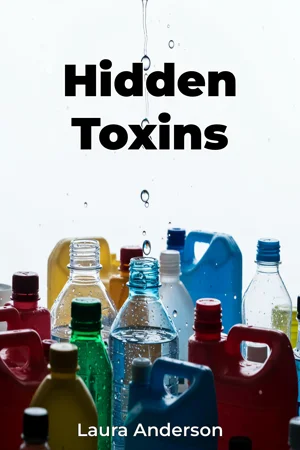
Are common household products silently undermining your health? "Hidden Toxins" unveils the pervasive presence of harmful chemicals in everyday items and their potential impact on well-being. This book navigates the complex landscape of environmental health, offering readers practical knowledge to safeguard themselves and their families. This book explores the hidden dangers lurking within our homes, focusing on three key areas: cleaning supplies, personal care products, and food packaging. These seemingly innocuous items often contain a cocktail of synthetic chemicals linked to various health problems, including allergies, hormonal imbalances, and even cancer. Understanding the sources and effects of these toxins is the first step toward creating a healthier living environment. The modern reliance on synthetic chemicals in consumer products stems from industrial advancements of the 20th century. While these chemicals offer benefits like enhanced cleaning power and extended shelf life, their long-term effects on human health and the environment have not always been thoroughly investigated. Readers will gain a deeper understanding of the historical context that led to the widespread use of these substances and the regulatory gaps that allow them to persist. The central argument of "Hidden Toxins" is that consumers are largely unaware of the potential health risks associated with everyday household products and that informed choices can significantly reduce exposure to harmful substances. This book empowers readers to become proactive in protecting their health by providing the knowledge and tools necessary to identify and avoid hidden toxins. The book begins by introducing the concept of "body burden," the accumulation of chemicals in the body over time. It then delves into specific categories of household products, examining the ingredients and potential health effects associated with each. Major sections include: (1) a detailed analysis of common cleaning products, such as detergents, disinfectants, and air fresheners, highlighting the dangers of volatile organic compounds (VOCs) and other harmful chemicals; (2) an in-depth look at personal care products, including cosmetics, shampoos, and lotions, exposing the risks associated with parabens, phthalates, and other endocrine disruptors; and (3) an exploration of food packaging materials, such as plastics and coatings, revealing the potential for chemical migration into food. The book culminates with practical strategies for reducing exposure to hidden toxins, including tips for reading labels, choosing safer alternatives, and creating homemade cleaning and personal care products. The arguments presented are supported by scientific research, including epidemiological studies, toxicological assessments, and reports from government agencies and environmental organizations. Data from sources like the Environmental Protection Agency (EPA) and the National Institutes of Health (NIH) are used to illustrate the potential health risks associated with specific chemicals. "Hidden Toxins" connects to several other fields, including environmental science, public health, and toxicology. By drawing on insights from these disciplines, the book provides a comprehensive understanding of the complex interactions between chemicals, human health, and the environment. It also touches upon the field of consumer advocacy, encouraging readers to demand greater transparency and accountability from manufacturers. This book offers a unique perspective by focusing on the practical steps individuals can take to reduce their exposure to hidden toxins. Rather than simply highlighting the problem, it provides concrete solutions and empowers readers to make informed choices that benefit their health and well-being. The book adopts a clear, accessible, and fact-based approach, avoiding technical jargon and presenting information in a way that is easy for non-scientists to understand. While grounded in scientific research, the writing style is conversational and engaging, making complex topics relatable and actionable. "Hidden Toxins" is intended for a broad audience, including health-conscious individuals, parents concerned about their children's health, and anyone seeking to create a healthier home environment. It will particularly appeal to those interested in environmental health, sustainable living, and natural alternatives to conventional products. As a non-fiction work in the Health & Fitness genre, this book adheres to the standards of accuracy, objectivity, and transparency. It avoids sensationalism and presents information in a balanced and unbiased manner. The scope of "Hidden Toxins" is limited to household products and their potential impact on human health. While it touches on environmental concerns, the primary focus is on individual exposure and practical strategies for reducing risk. The information presented in this book can be applied in numerous ways. Readers can use the knowledge gained to make informed purchasing decisions, create safer home environments, and advocate for stricter regulations on harmful chemicals. This book empowers readers to take control of their health and create a more sustainable future for themselves and their families. The book addresses the ongoing debates surrounding the safety of certain chemicals and the effectiveness of regulatory measures. It acknowledges the complexities of these issues and presents different perspectives, encouraging readers to critically evaluate the available evidence and form their own informed opinions.
Are common household products silently undermining your health? "Hidden Toxins" unveils the pervasive presence of harmful chemicals in everyday items and their potential impact on well-being. This book navigates the complex landscape of environmental health, offering readers practical knowledge to safeguard themselves and their families. This book explores the hidden dangers lurking within our homes, focusing on three key areas: cleaning supplies, personal care products, and food packaging. These seemingly innocuous items often contain a cocktail of synthetic chemicals linked to various health problems, including allergies, hormonal imbalances, and even cancer. Understanding the sources and effects of these toxins is the first step toward creating a healthier living environment. The modern reliance on synthetic chemicals in consumer products stems from industrial advancements of the 20th century. While these chemicals offer benefits like enhanced cleaning power and extended shelf life, their long-term effects on human health and the environment have not always been thoroughly investigated. Readers will gain a deeper understanding of the historical context that led to the widespread use of these substances and the regulatory gaps that allow them to persist. The central argument of "Hidden Toxins" is that consumers are largely unaware of the potential health risks associated with everyday household products and that informed choices can significantly reduce exposure to harmful substances. This book empowers readers to become proactive in protecting their health by providing the knowledge and tools necessary to identify and avoid hidden toxins. The book begins by introducing the concept of "body burden," the accumulation of chemicals in the body over time. It then delves into specific categories of household products, examining the ingredients and potential health effects associated with each. Major sections include: (1) a detailed analysis of common cleaning products, such as detergents, disinfectants, and air fresheners, highlighting the dangers of volatile organic compounds (VOCs) and other harmful chemicals; (2) an in-depth look at personal care products, including cosmetics, shampoos, and lotions, exposing the risks associated with parabens, phthalates, and other endocrine disruptors; and (3) an exploration of food packaging materials, such as plastics and coatings, revealing the potential for chemical migration into food. The book culminates with practical strategies for reducing exposure to hidden toxins, including tips for reading labels, choosing safer alternatives, and creating homemade cleaning and personal care products. The arguments presented are supported by scientific research, including epidemiological studies, toxicological assessments, and reports from government agencies and environmental organizations. Data from sources like the Environmental Protection Agency (EPA) and the National Institutes of Health (NIH) are used to illustrate the potential health risks associated with specific chemicals. "Hidden Toxins" connects to several other fields, including environmental science, public health, and toxicology. By drawing on insights from these disciplines, the book provides a comprehensive understanding of the complex interactions between chemicals, human health, and the environment. It also touches upon the field of consumer advocacy, encouraging readers to demand greater transparency and accountability from manufacturers. This book offers a unique perspective by focusing on the practical steps individuals can take to reduce their exposure to hidden toxins. Rather than simply highlighting the problem, it provides concrete solutions and empowers readers to make informed choices that benefit their health and well-being. The book adopts a clear, accessible, and fact-based approach, avoiding technical jargon and presenting information in a way that is easy for non-scientists to understand. While grounded in scientific research, the writing style is conversational and engaging, making complex topics relatable and actionable. "Hidden Toxins" is intended for a broad audience, including health-conscious individuals, parents concerned about their children's health, and anyone seeking to create a healthier home environment. It will particularly appeal to those interested in environmental health, sustainable living, and natural alternatives to conventional products. As a non-fiction work in the Health & Fitness genre, this book adheres to the standards of accuracy, objectivity, and transparency. It avoids sensationalism and presents information in a balanced and unbiased manner. The scope of "Hidden Toxins" is limited to household products and their potential impact on human health. While it touches on environmental concerns, the primary focus is on individual exposure and practical strategies for reducing risk. The information presented in this book can be applied in numerous ways. Readers can use the knowledge gained to make informed purchasing decisions, create safer home environments, and advocate for stricter regulations on harmful chemicals. This book empowers readers to take control of their health and create a more sustainable future for themselves and their families. The book addresses the ongoing debates surrounding the safety of certain chemicals and the effectiveness of regulatory measures. It acknowledges the complexities of these issues and presents different perspectives, encouraging readers to critically evaluate the available evidence and form their own informed opinions.
Are you aware of the "Hidden Toxins" lurking in your home? This book sheds light on the potential health risks associated with everyday items like cleaning supplies, personal care products, and food packaging. Many of these products contain synthetic chemicals linked to allergies, hormonal imbalances, and other health issues, often without consumers knowing. Learning about these toxins is the first step in creating a healthier living space for you and your family. The book explores how the widespread use of synthetic chemicals in consumer products, a result of 20th-century industrial advancements, has led to potential long-term health consequences. It begins by introducing the concept of "body burden," the accumulation of chemicals in the body over time, and then examines specific categories of household products. You'll discover the dangers of VOCs in cleaning products, endocrine disruptors in cosmetics, and chemical migration from food packaging. "Hidden Toxins" uniquely empowers readers with practical strategies to reduce their exposure. The book progresses across chapters by offering tips for reading labels, choosing safer alternatives, and even creating homemade cleaning and personal care products. By providing this actionable advice, the book enables you to make informed choices and protect your well-being in an increasingly toxic world.
Book Details
ISBN
9788233996871
Publisher
Publifye AS
Your Licenses
You don't own any licenses for this book
Purchase a license below to unlock this book and download the EPUB.
Purchase License
Select a tier to unlock this book
Need bulk licensing?
Contact us for enterprise agreements.