
About This Book
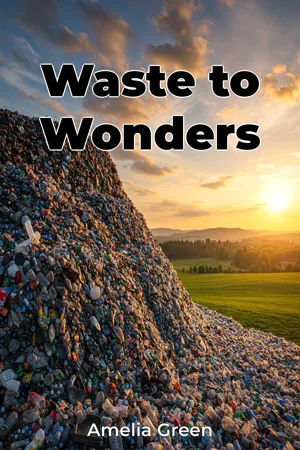
What if our planet’s trash could become its treasure? "Waste to Wonders" explores the rapidly growing movement of upcycling, where discarded materials are transformed into valuable new products and innovative solutions. This book delves into the entrepreneurial spirit driving this transformation, showcasing how businesses and individuals are turning environmental challenges into economic opportunities. The core of "Waste to Wonders" revolves around three key concepts: the environmental imperative of reducing waste, the economic potential of upcycling industries, and the innovative processes that make waste transformation possible. The rising tide of global waste poses a significant threat to our ecosystems and human health, making waste reduction not just an option but a necessity. At the same time, upcycling represents a significant economic opportunity, creating new markets, jobs, and revenue streams. These depend on cutting-edge techniques and creative approaches to material transformation. Understanding the context requires acknowledging the linear "take-make-dispose" model of traditional manufacturing that has led to our current waste crisis. The book provides a brief historical overview of waste management practices, contrasting them with the principles of a circular economy, where materials are continuously reused and repurposed. Readers should have a basic understanding of environmental issues and economic principles to fully appreciate the book's content. "Waste to Wonders" argues that upcycling is not merely a niche trend but a viable and increasingly crucial component of a sustainable future. This argument is important because it challenges the conventional view of waste as a liability, reframing it as a potential asset. If scalable and embraced widely, upcycling can reduce reliance on virgin resources, minimize landfill waste, and foster resilient local economies. The book begins by defining upcycling and distinguishing it from recycling and downcycling. It then examines the environmental impact of various waste streams, highlighting the urgent need for alternative solutions. The central section showcases case studies of successful upcycling ventures around the world, grouped by material type (e.g., plastics, textiles, electronics). Each case study provides a business analysis, examining the economic viability, environmental impact, and social benefits of the venture. The book culminates by exploring the policy changes, technological advancements, and consumer behavior shifts needed to accelerate the adoption of upcycling on a global scale. It concludes with practical ideas for readers to incorporate upcycling into their own lives and businesses. The book's arguments are supported by data from industry reports, academic studies, and interviews with upcycling entrepreneurs and experts. Primary data from site visits to upcycling facilities and analyses of their production processes are incorporated to provide a robust and credible account. "Waste to Wonders" connects to several interdisciplinary fields. Firstly, environmental science provides the scientific basis for understanding the impact of waste on ecosystems. Secondly, business management principles are applied to analyze the viability and scalability of upcycling ventures. Thirdly, material science informs the discussion of innovative technologies used to transform waste materials. The book distinguishes itself through its emphasis on the economic and entrepreneurial aspects of upcycling. Rather than focusing solely on the environmental benefits, it demonstrates how upcycling can be a profitable and sustainable business model. The tone is optimistic yet realistic, presenting the challenges and opportunities of upcycling in a balanced manner. The writing style is accessible and engaging, avoiding technical jargon while maintaining intellectual rigor. The target audience includes entrepreneurs seeking new business opportunities, environmental professionals looking for innovative solutions, policymakers interested in promoting sustainable practices, and consumers eager to reduce their environmental footprint. The book's real-world examples, business insights, and practical advice will appeal to a broad readership. As a book in the genres of Entrepreneurship, Business Entrepreneurship, and Environment, “Waste to Wonders” aims to inspire innovation in sustainable business practices. The book’s scope is global, examining upcycling initiatives from various countries and cultures. However, it focuses primarily on established and emerging upcycling industries, without delving into the informal waste sector in developing countries in great detail. Readers will learn how to identify upcycling opportunities in their own communities, assess the feasibility of upcycling ventures, and implement upcycling strategies in their businesses and households. "Waste to Wonders" addresses the ongoing debate about the economic viability of upcycling compared to traditional manufacturing and recycling. It examines the trade-offs between environmental benefits, economic costs, and social impacts, providing a nuanced perspective on this complex issue.
What if our planet’s trash could become its treasure? "Waste to Wonders" explores the rapidly growing movement of upcycling, where discarded materials are transformed into valuable new products and innovative solutions. This book delves into the entrepreneurial spirit driving this transformation, showcasing how businesses and individuals are turning environmental challenges into economic opportunities. The core of "Waste to Wonders" revolves around three key concepts: the environmental imperative of reducing waste, the economic potential of upcycling industries, and the innovative processes that make waste transformation possible. The rising tide of global waste poses a significant threat to our ecosystems and human health, making waste reduction not just an option but a necessity. At the same time, upcycling represents a significant economic opportunity, creating new markets, jobs, and revenue streams. These depend on cutting-edge techniques and creative approaches to material transformation. Understanding the context requires acknowledging the linear "take-make-dispose" model of traditional manufacturing that has led to our current waste crisis. The book provides a brief historical overview of waste management practices, contrasting them with the principles of a circular economy, where materials are continuously reused and repurposed. Readers should have a basic understanding of environmental issues and economic principles to fully appreciate the book's content. "Waste to Wonders" argues that upcycling is not merely a niche trend but a viable and increasingly crucial component of a sustainable future. This argument is important because it challenges the conventional view of waste as a liability, reframing it as a potential asset. If scalable and embraced widely, upcycling can reduce reliance on virgin resources, minimize landfill waste, and foster resilient local economies. The book begins by defining upcycling and distinguishing it from recycling and downcycling. It then examines the environmental impact of various waste streams, highlighting the urgent need for alternative solutions. The central section showcases case studies of successful upcycling ventures around the world, grouped by material type (e.g., plastics, textiles, electronics). Each case study provides a business analysis, examining the economic viability, environmental impact, and social benefits of the venture. The book culminates by exploring the policy changes, technological advancements, and consumer behavior shifts needed to accelerate the adoption of upcycling on a global scale. It concludes with practical ideas for readers to incorporate upcycling into their own lives and businesses. The book's arguments are supported by data from industry reports, academic studies, and interviews with upcycling entrepreneurs and experts. Primary data from site visits to upcycling facilities and analyses of their production processes are incorporated to provide a robust and credible account. "Waste to Wonders" connects to several interdisciplinary fields. Firstly, environmental science provides the scientific basis for understanding the impact of waste on ecosystems. Secondly, business management principles are applied to analyze the viability and scalability of upcycling ventures. Thirdly, material science informs the discussion of innovative technologies used to transform waste materials. The book distinguishes itself through its emphasis on the economic and entrepreneurial aspects of upcycling. Rather than focusing solely on the environmental benefits, it demonstrates how upcycling can be a profitable and sustainable business model. The tone is optimistic yet realistic, presenting the challenges and opportunities of upcycling in a balanced manner. The writing style is accessible and engaging, avoiding technical jargon while maintaining intellectual rigor. The target audience includes entrepreneurs seeking new business opportunities, environmental professionals looking for innovative solutions, policymakers interested in promoting sustainable practices, and consumers eager to reduce their environmental footprint. The book's real-world examples, business insights, and practical advice will appeal to a broad readership. As a book in the genres of Entrepreneurship, Business Entrepreneurship, and Environment, “Waste to Wonders” aims to inspire innovation in sustainable business practices. The book’s scope is global, examining upcycling initiatives from various countries and cultures. However, it focuses primarily on established and emerging upcycling industries, without delving into the informal waste sector in developing countries in great detail. Readers will learn how to identify upcycling opportunities in their own communities, assess the feasibility of upcycling ventures, and implement upcycling strategies in their businesses and households. "Waste to Wonders" addresses the ongoing debate about the economic viability of upcycling compared to traditional manufacturing and recycling. It examines the trade-offs between environmental benefits, economic costs, and social impacts, providing a nuanced perspective on this complex issue.
"Waste to Wonders" explores the burgeoning field of upcycling, showcasing how discarded materials are ingeniously transformed into valuable products, driving both environmental sustainability and economic opportunity. This book highlights how entrepreneurs are turning waste into economic gain. Upcycling addresses the urgent need to reduce waste, considering the alarming rise of global waste and its impact on ecosystems. The book argues that upcycling is not just a trend but a crucial part of a sustainable future and a viable business model, reducing our reliance on virgin resources. Examining successful upcycling ventures from around the world, "Waste to Wonders" dives into the economic viability, environmental impact, and social benefits of upcycling across various materials, such as plastics and textiles. Beginning with definitions and environmental impacts, the book progresses to case studies of successful ventures, grouped by material type, and concludes with policy, technological advancements, and consumer behavior shifts needed for global adoption. It provides practical ideas for integrating upcycling into daily life and business, offering a balanced perspective on the challenges and opportunities of waste transformation.
Book Details
ISBN
9788233996680
Publisher
Publifye AS
Your Licenses
You don't own any licenses for this book
Purchase a license below to unlock this book and download the EPUB.
Purchase License
Select a tier to unlock this book
Need bulk licensing?
Contact us for enterprise agreements.