
About This Book
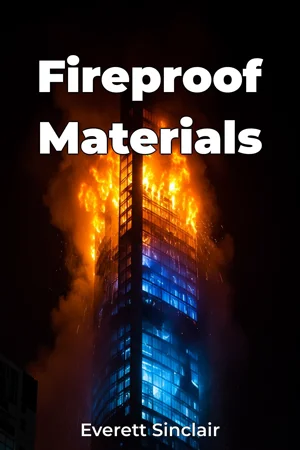
Imagine a world where structures stand resilient against the ravages of fire, safeguarding lives and property with unparalleled effectiveness. "Fireproof Materials" delves into the rapidly evolving realm of next-generation fire-resistant materials, exploring their potential to revolutionize construction safety and disaster prevention. This book examines not only the scientific advancements behind these materials but also their practical applications in architecture and building design. This book primarily addresses two crucial areas: the chemical and physical properties of advanced fire-resistant materials and their integration into modern architectural designs. The importance of these topics stems from the escalating need for safer buildings in an era marked by increased urbanization and climate-related risks. Understanding the science behind fire resistance is paramount for architects, engineers, and policymakers striving to mitigate fire hazards in residential, commercial, and industrial settings. Historically, fireproofing relied on traditional methods with limitations in effectiveness and environmental impact. This book sets the stage by exploring the evolution of fire-resistant materials, from asbestos-based solutions to modern, sustainable alternatives. Readers should ideally have a basic understanding of construction principles and material science concepts, although key scientific principles will be explained in layman's terms. "Fireproof Materials" argues that the widespread adoption of next-generation fire-resistant materials is not just a technological advancement but a necessity for creating safer, more resilient built environments. The book emphasizes that proactive fire prevention strategies, driven by innovative materials, are far more effective and economically sound than reactive measures taken after a fire event. The book is structured into three key sections. First, it introduces the fundamental concepts of fire science and material behavior under extreme temperatures, highlighting the deficiencies of conventional building materials. The second delves into the science and manufacturing of advanced materials such as intumescent coatings, fiber-reinforced polymers, and novel ceramics. This section covers real-world case studies, performance data, and comparisons against traditional materials. Finally, the book focuses on the architectural integration of these materials, exploring design strategies, building codes, and regulatory frameworks. It culminates by examining the economic and environmental implications of widespread adoption, discussing challenges and opportunities for the future of fire-resistant construction. The arguments presented are supported by extensive research data, including laboratory testing results, field performance evaluations, and case studies of buildings incorporating these materials. The book draws upon data from material science journals, engineering reports, and industry publications, providing a comprehensive overview of the current state of the field. This book also connects to several other disciplines including environmental science through investigation of sustainable materials and their production implications, economics via analysis of fire damage costs and preventative investments, and public policy through the examination of building codes and safety regulations. "Fireproof Materials" takes a forward-looking approach, emphasizing the potential of nanotechnology and bio-inspired designs to create even more effective and environmentally friendly fire-resistant materials. It offers insights into ongoing research and anticipates future trends in the field. The tone of the book is technical yet accessible, aiming to bridge the gap between scientific research and practical application. Complex concepts are explained using clear language and visual aids, making it suitable for both experts and informed laypersons. The intended audience includes architects, structural engineers, construction managers, fire safety professionals, building inspectors, and policymakers. The book is also valuable for students in architecture and engineering programs. It offers practical guidance for selecting and implementing fire-resistant materials in building design and construction. As a non-fiction architecture and technology book, "Fireproof Materials" adheres to rigorous standards of accuracy and objectivity, presenting information in a balanced and unbiased manner. It cites sources transparently and acknowledges limitations in current knowledge. The book's scope is limited to fire-resistant materials for building construction, excluding other areas such as wildfire prevention or personal protective equipment. The focus is primarily on materials applicable to structural elements and interior finishes although some coverage of external claddings is included. The information presented has direct real-world applications, enabling readers to make informed decisions about material selection, design strategies, and regulatory compliance. Numerous case studies demonstrate successful implementations and provide lessons learned. The book addresses certain controversies surrounding the use of specific fire-resistant materials, such as concerns about their environmental impact or cost-effectiveness and acknowledges the ongoing debate surrounding various fire safety standards and regulations.
Imagine a world where structures stand resilient against the ravages of fire, safeguarding lives and property with unparalleled effectiveness. "Fireproof Materials" delves into the rapidly evolving realm of next-generation fire-resistant materials, exploring their potential to revolutionize construction safety and disaster prevention. This book examines not only the scientific advancements behind these materials but also their practical applications in architecture and building design. This book primarily addresses two crucial areas: the chemical and physical properties of advanced fire-resistant materials and their integration into modern architectural designs. The importance of these topics stems from the escalating need for safer buildings in an era marked by increased urbanization and climate-related risks. Understanding the science behind fire resistance is paramount for architects, engineers, and policymakers striving to mitigate fire hazards in residential, commercial, and industrial settings. Historically, fireproofing relied on traditional methods with limitations in effectiveness and environmental impact. This book sets the stage by exploring the evolution of fire-resistant materials, from asbestos-based solutions to modern, sustainable alternatives. Readers should ideally have a basic understanding of construction principles and material science concepts, although key scientific principles will be explained in layman's terms. "Fireproof Materials" argues that the widespread adoption of next-generation fire-resistant materials is not just a technological advancement but a necessity for creating safer, more resilient built environments. The book emphasizes that proactive fire prevention strategies, driven by innovative materials, are far more effective and economically sound than reactive measures taken after a fire event. The book is structured into three key sections. First, it introduces the fundamental concepts of fire science and material behavior under extreme temperatures, highlighting the deficiencies of conventional building materials. The second delves into the science and manufacturing of advanced materials such as intumescent coatings, fiber-reinforced polymers, and novel ceramics. This section covers real-world case studies, performance data, and comparisons against traditional materials. Finally, the book focuses on the architectural integration of these materials, exploring design strategies, building codes, and regulatory frameworks. It culminates by examining the economic and environmental implications of widespread adoption, discussing challenges and opportunities for the future of fire-resistant construction. The arguments presented are supported by extensive research data, including laboratory testing results, field performance evaluations, and case studies of buildings incorporating these materials. The book draws upon data from material science journals, engineering reports, and industry publications, providing a comprehensive overview of the current state of the field. This book also connects to several other disciplines including environmental science through investigation of sustainable materials and their production implications, economics via analysis of fire damage costs and preventative investments, and public policy through the examination of building codes and safety regulations. "Fireproof Materials" takes a forward-looking approach, emphasizing the potential of nanotechnology and bio-inspired designs to create even more effective and environmentally friendly fire-resistant materials. It offers insights into ongoing research and anticipates future trends in the field. The tone of the book is technical yet accessible, aiming to bridge the gap between scientific research and practical application. Complex concepts are explained using clear language and visual aids, making it suitable for both experts and informed laypersons. The intended audience includes architects, structural engineers, construction managers, fire safety professionals, building inspectors, and policymakers. The book is also valuable for students in architecture and engineering programs. It offers practical guidance for selecting and implementing fire-resistant materials in building design and construction. As a non-fiction architecture and technology book, "Fireproof Materials" adheres to rigorous standards of accuracy and objectivity, presenting information in a balanced and unbiased manner. It cites sources transparently and acknowledges limitations in current knowledge. The book's scope is limited to fire-resistant materials for building construction, excluding other areas such as wildfire prevention or personal protective equipment. The focus is primarily on materials applicable to structural elements and interior finishes although some coverage of external claddings is included. The information presented has direct real-world applications, enabling readers to make informed decisions about material selection, design strategies, and regulatory compliance. Numerous case studies demonstrate successful implementations and provide lessons learned. The book addresses certain controversies surrounding the use of specific fire-resistant materials, such as concerns about their environmental impact or cost-effectiveness and acknowledges the ongoing debate surrounding various fire safety standards and regulations.
"Fireproof Materials" explores the critical and rapidly advancing field of fire-resistant materials, essential for enhancing construction safety and preventing disasters. The book highlights how next-generation materials, such as intumescent coatings and fiber-reinforced polymers, are revolutionizing architecture and building design. These advancements address the escalating need for safer buildings amidst increasing urbanization and climate-related risks. One intriguing fact is the shift from older, less effective methods like asbestos to sustainable, high-performing alternatives. The book emphasizes proactive fire prevention strategies as more effective and economically sound than reactive measures, advocating for the widespread adoption of these innovative materials. The book begins by introducing fundamental concepts of fire science. It then moves into the science and manufacturing of advanced materials, presenting case studies and performance data. Finally, it focuses on architectural integration, covering design strategies, building codes, and economic and environmental implications. This approach ensures readers gain a comprehensive understanding of how material science translates into practical building design and regulatory compliance, making it a valuable resource for architects, engineers, and policymakers.
Book Details
ISBN
9788233996611
Publisher
Publifye AS
Your Licenses
You don't own any licenses for this book
Purchase a license below to unlock this book and download the EPUB.
Purchase License
Select a tier to unlock this book
Need bulk licensing?
Contact us for enterprise agreements.