
About This Book
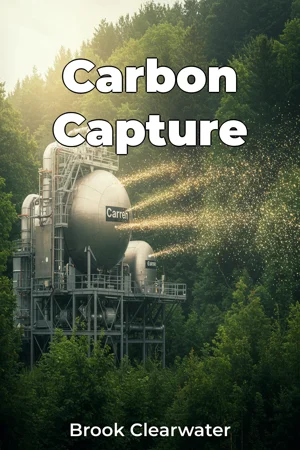
Can we engineer our way out of the climate crisis? _Carbon Capture_ delves into the science and technology behind materials designed to capture and store atmospheric carbon dioxide, offering a crucial exploration of a rapidly developing field with the potential to mitigate climate change and improve air quality. This book examines the multifaceted role of carbon capture materials, bridging the gap between scientific research and real-world applications. The book focuses on three core topics: the chemistry and physics of carbon capture materials, the engineering challenges of deploying these materials at scale, and the environmental and economic implications of widespread carbon capture technology. Understanding these elements is essential for anyone seeking to grasp the potential and limitations of this approach to climate change mitigation. We will explore the fundamental science that governs how these materials interact with carbon dioxide, the practical obstacles to implementing carbon capture on a global scale, and the broader societal impact of this technology. To fully appreciate the promise of carbon capture, it's important to understand the historical context of rising CO2 levels and their impact on the global climate. We’ll briefly review the history of climate science and the growing consensus regarding anthropogenic climate change, highlighting the urgent need for innovative solutions. Readers are expected to have a basic understanding of chemistry and environmental science. The central argument of _Carbon Capture_ is that while carbon capture materials offer a promising tool for combating climate change and air pollution, their successful deployment hinges on overcoming significant technological, economic, and regulatory hurdles. This is critical because, despite the alarming increase in atmospheric carbon dioxide and other pollutants, viable and scalable solutions remain limited. This book assesses the true potential and offers a balanced perspective on what carbon capture can realistically achieve. The book is structured in three primary sections. Initially, it introduces the fundamental concepts of carbon capture materials, detailing their chemical structures, properties, and mechanisms of carbon dioxide absorption. The second part dives into the engineering aspects, exploring different carbon capture technologies, such as pre-combustion, post-combustion, and direct air capture, analyzing their efficiency, cost-effectiveness, and scalability. Finally, the book culminates with an evaluation of the environmental and economic impacts of carbon capture deployment, scrutinizing policy frameworks, incentives, and potential risks and benefits. The evidence presented in _Carbon Capture_ will draw upon a wide array of sources, including peer-reviewed scientific articles, technical reports from engineering firms, economic analyses from environmental organizations, and policy documents from governmental agencies. The book will also analyze data from pilot projects and industrial applications of carbon capture technologies, offering a balanced assessment of their performance. _Carbon Capture_ explores interdisciplinary connections, uniting chemistry, environmental science, and chemical engineering, and it incorporates aspects of economics and policy. By integrating these diverse fields, the book provides a holistic view of the challenges and opportunities associated with carbon capture. This approach allows for a comprehensive understanding of the factors that influence the viability and effectiveness of these technologies. _Carbon Capture_ distinguishes itself by taking a holistic approach and incorporating not just scientific, but also the economic and policy perspectives that are crucial for real-world adoption. The book approaches carbon capture by evaluating it as a system. The book is written in a clear and accessible style, targeting a broad audience of students, researchers, policymakers, and engaged citizens who wish to learn more about this transformative technology. This book appeals to environmental scientists, chemical engineers, policymakers involved in climate change, and also concerned citizens. This book will follow the conventions of scientific non-fiction, including clear presentation of data, rigorous citation of sources, and objective analysis of competing viewpoints. The scope of _Carbon Capture_ is to provide a thorough overview of carbon capture materials and technologies. It will intentionally limit its discussion of other climate change mitigation strategies, such as renewable energy or energy efficiency, to maintain a focused and in-depth analysis of carbon capture. The information in this book can be applied practically by policymakers in designing effective climate policies; by engineers in developing and optimizing carbon capture technologies; and by investors in making informed decisions about funding carbon capture projects. The book engages with ongoing debates about the technical feasibility, economic viability, and potential environmental impacts of carbon capture. By presenting a balanced assessment of these controversies, _Carbon Capture_ aims to foster informed decision-making and guide future research in this critical field.
Can we engineer our way out of the climate crisis? _Carbon Capture_ delves into the science and technology behind materials designed to capture and store atmospheric carbon dioxide, offering a crucial exploration of a rapidly developing field with the potential to mitigate climate change and improve air quality. This book examines the multifaceted role of carbon capture materials, bridging the gap between scientific research and real-world applications. The book focuses on three core topics: the chemistry and physics of carbon capture materials, the engineering challenges of deploying these materials at scale, and the environmental and economic implications of widespread carbon capture technology. Understanding these elements is essential for anyone seeking to grasp the potential and limitations of this approach to climate change mitigation. We will explore the fundamental science that governs how these materials interact with carbon dioxide, the practical obstacles to implementing carbon capture on a global scale, and the broader societal impact of this technology. To fully appreciate the promise of carbon capture, it's important to understand the historical context of rising CO2 levels and their impact on the global climate. We’ll briefly review the history of climate science and the growing consensus regarding anthropogenic climate change, highlighting the urgent need for innovative solutions. Readers are expected to have a basic understanding of chemistry and environmental science. The central argument of _Carbon Capture_ is that while carbon capture materials offer a promising tool for combating climate change and air pollution, their successful deployment hinges on overcoming significant technological, economic, and regulatory hurdles. This is critical because, despite the alarming increase in atmospheric carbon dioxide and other pollutants, viable and scalable solutions remain limited. This book assesses the true potential and offers a balanced perspective on what carbon capture can realistically achieve. The book is structured in three primary sections. Initially, it introduces the fundamental concepts of carbon capture materials, detailing their chemical structures, properties, and mechanisms of carbon dioxide absorption. The second part dives into the engineering aspects, exploring different carbon capture technologies, such as pre-combustion, post-combustion, and direct air capture, analyzing their efficiency, cost-effectiveness, and scalability. Finally, the book culminates with an evaluation of the environmental and economic impacts of carbon capture deployment, scrutinizing policy frameworks, incentives, and potential risks and benefits. The evidence presented in _Carbon Capture_ will draw upon a wide array of sources, including peer-reviewed scientific articles, technical reports from engineering firms, economic analyses from environmental organizations, and policy documents from governmental agencies. The book will also analyze data from pilot projects and industrial applications of carbon capture technologies, offering a balanced assessment of their performance. _Carbon Capture_ explores interdisciplinary connections, uniting chemistry, environmental science, and chemical engineering, and it incorporates aspects of economics and policy. By integrating these diverse fields, the book provides a holistic view of the challenges and opportunities associated with carbon capture. This approach allows for a comprehensive understanding of the factors that influence the viability and effectiveness of these technologies. _Carbon Capture_ distinguishes itself by taking a holistic approach and incorporating not just scientific, but also the economic and policy perspectives that are crucial for real-world adoption. The book approaches carbon capture by evaluating it as a system. The book is written in a clear and accessible style, targeting a broad audience of students, researchers, policymakers, and engaged citizens who wish to learn more about this transformative technology. This book appeals to environmental scientists, chemical engineers, policymakers involved in climate change, and also concerned citizens. This book will follow the conventions of scientific non-fiction, including clear presentation of data, rigorous citation of sources, and objective analysis of competing viewpoints. The scope of _Carbon Capture_ is to provide a thorough overview of carbon capture materials and technologies. It will intentionally limit its discussion of other climate change mitigation strategies, such as renewable energy or energy efficiency, to maintain a focused and in-depth analysis of carbon capture. The information in this book can be applied practically by policymakers in designing effective climate policies; by engineers in developing and optimizing carbon capture technologies; and by investors in making informed decisions about funding carbon capture projects. The book engages with ongoing debates about the technical feasibility, economic viability, and potential environmental impacts of carbon capture. By presenting a balanced assessment of these controversies, _Carbon Capture_ aims to foster informed decision-making and guide future research in this critical field.
"Carbon Capture" offers a comprehensive exploration of materials designed to capture and store carbon dioxide, a critical strategy for climate change mitigation and improving air quality. The book bridges the gap between scientific research and practical applications, examining the chemistry and physics of these innovative materials. It also addresses the significant engineering challenges involved in scaling up carbon capture technologies. One intriguing aspect is the book's exploration of direct air capture, a method of removing CO2 directly from the atmosphere, offering a potential solution to legacy emissions. The book also delves into the economic and environmental implications of widespread carbon capture, analyzing policy frameworks and potential risks. Structured in three main sections, it begins with the fundamental science behind carbon capture materials, then explores the engineering aspects of different capture technologies (pre-combustion, post-combustion, and direct air capture), and finally evaluates the broader impacts. By integrating perspectives from chemistry, environmental science, chemical engineering, economics, and policy, "Carbon Capture" provides a balanced view of the potential and limitations of this technology. Readers will gain a deeper understanding of the hurdles to deployment and the true potential of carbon capture to combat climate change.
Book Details
ISBN
9788233996574
Publisher
Publifye AS
Your Licenses
You don't own any licenses for this book
Purchase a license below to unlock this book and download the EPUB.
Purchase License
Select a tier to unlock this book
Need bulk licensing?
Contact us for enterprise agreements.