
About This Book
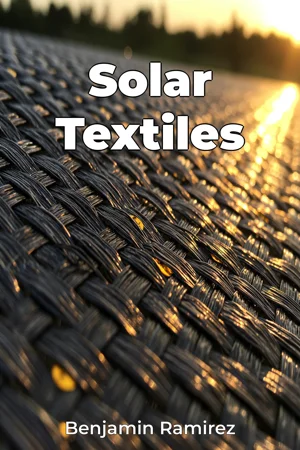
What if the clothes we wear could power our lives? "Solar Textiles" explores the emerging field of integrating solar cell technology directly into fabrics, poised to revolutionize not only energy generation but also the future of wearable technology. This book examines the science, engineering, and design principles behind this innovation, offering a comprehensive look at its potential and challenges. The core of this book revolves around three fundamental topics: the materials science of solar cells suitable for textiles, the engineering challenges of weaving these cells into fabrics, and the design considerations for creating functional and aesthetically pleasing solar-powered garments and accessories. These topics are critical because they represent the convergence of energy, technology, and fashion, paving the way for sustainable energy solutions and advanced wearable devices. Understanding these elements is important for anyone interested in shaping the future of textiles, renewable energy, or wearable technology. A brief historical context is provided, tracing the development of both solar cell technology and the textile industry. A basic understanding of photovoltaic principles and textile manufacturing processes will be helpful but not essential, as these concepts are explained within the book. Our central argument is that solar textiles represent a viable and potentially disruptive technology with the capacity to transform how we generate and utilize energy in everyday life. This argument is not just about technological advancement; it's about sustainability, accessibility, and the democratization of energy production, empowering individuals to generate their own power. The book’s structure begins with an introduction to the fundamental science and engineering principles involved in creating solar textiles. We then delve into the specifics of material selection, examining different types of solar cells and their suitability for integration into fabrics. A significant portion of the book is dedicated to the engineering challenges of weaving, including issues of durability, flexibility, and maintaining the efficiency of the solar cells. Next, design principles specific to solar textiles are explored, because a successful product needs to be both functional and aesthetically desirable. The book culminates with a detailed analysis of the environmental and economic impact of solar textiles, as well as examples of potential applications, such as self-powered clothing, solar-charging backpacks, and energy-generating curtains. The evidence presented will be drawn from a variety of sources, including academic research papers, industry reports, patent filings, and experimental data. The book will also feature case studies of pioneering companies and researchers working in this field. We use quantitative data on energy conversion efficiencies, material properties, and cost analyses to support our claims. This book connects to several other disciplines, intersecting with material science, electrical engineering, sustainable design, and fashion technology. In combining the scientific and the aesthetic, the book provides a unique perspective on the future of wearable technology. What sets this book apart is its comprehensive approach, covering not only the technical aspects of solar textiles but also the design, environmental, and economic considerations. It offers a complete picture of this emerging field, providing readers with the knowledge and tools to understand and contribute to its development. The tone of the book is informative and analytical, designed to appeal to a broad audience, from students and researchers to designers and industry professionals. The writing style aims to be clear, concise, and accessible, making complex technical information understandable to non-experts. The target audience includes students and researchers in materials science, engineering, and design; professionals in the textile and renewable energy industries; and anyone interested in sustainable technologies and the future of wearable devices. This book offers something for everyone. As a work of technology, design, and general science, the book adheres to the conventions of clear and accurate presentation of information, supported by evidence and analysis. It avoids speculation and focuses on established scientific principles and empirical data. The scope of the book is limited to the current state of solar textile technology and its near-term potential. It does not delve into speculative or futuristic applications beyond what is currently feasible. The information presented in this book can be applied practically by readers in several ways. Designers can use the knowledge to create innovative solar-powered products; engineers can utilize the technical insights to improve the efficiency and durability of solar textiles; and policymakers can use the information to develop regulations and incentives that support the development of this sustainable technology. While solar textiles hold great promise, there are ongoing debates about their cost-effectiveness and environmental impact compared to other renewable energy sources. The book addresses these controversies head-on, presenting a balanced and nuanced view of the technology's potential and limitations.
What if the clothes we wear could power our lives? "Solar Textiles" explores the emerging field of integrating solar cell technology directly into fabrics, poised to revolutionize not only energy generation but also the future of wearable technology. This book examines the science, engineering, and design principles behind this innovation, offering a comprehensive look at its potential and challenges. The core of this book revolves around three fundamental topics: the materials science of solar cells suitable for textiles, the engineering challenges of weaving these cells into fabrics, and the design considerations for creating functional and aesthetically pleasing solar-powered garments and accessories. These topics are critical because they represent the convergence of energy, technology, and fashion, paving the way for sustainable energy solutions and advanced wearable devices. Understanding these elements is important for anyone interested in shaping the future of textiles, renewable energy, or wearable technology. A brief historical context is provided, tracing the development of both solar cell technology and the textile industry. A basic understanding of photovoltaic principles and textile manufacturing processes will be helpful but not essential, as these concepts are explained within the book. Our central argument is that solar textiles represent a viable and potentially disruptive technology with the capacity to transform how we generate and utilize energy in everyday life. This argument is not just about technological advancement; it's about sustainability, accessibility, and the democratization of energy production, empowering individuals to generate their own power. The book’s structure begins with an introduction to the fundamental science and engineering principles involved in creating solar textiles. We then delve into the specifics of material selection, examining different types of solar cells and their suitability for integration into fabrics. A significant portion of the book is dedicated to the engineering challenges of weaving, including issues of durability, flexibility, and maintaining the efficiency of the solar cells. Next, design principles specific to solar textiles are explored, because a successful product needs to be both functional and aesthetically desirable. The book culminates with a detailed analysis of the environmental and economic impact of solar textiles, as well as examples of potential applications, such as self-powered clothing, solar-charging backpacks, and energy-generating curtains. The evidence presented will be drawn from a variety of sources, including academic research papers, industry reports, patent filings, and experimental data. The book will also feature case studies of pioneering companies and researchers working in this field. We use quantitative data on energy conversion efficiencies, material properties, and cost analyses to support our claims. This book connects to several other disciplines, intersecting with material science, electrical engineering, sustainable design, and fashion technology. In combining the scientific and the aesthetic, the book provides a unique perspective on the future of wearable technology. What sets this book apart is its comprehensive approach, covering not only the technical aspects of solar textiles but also the design, environmental, and economic considerations. It offers a complete picture of this emerging field, providing readers with the knowledge and tools to understand and contribute to its development. The tone of the book is informative and analytical, designed to appeal to a broad audience, from students and researchers to designers and industry professionals. The writing style aims to be clear, concise, and accessible, making complex technical information understandable to non-experts. The target audience includes students and researchers in materials science, engineering, and design; professionals in the textile and renewable energy industries; and anyone interested in sustainable technologies and the future of wearable devices. This book offers something for everyone. As a work of technology, design, and general science, the book adheres to the conventions of clear and accurate presentation of information, supported by evidence and analysis. It avoids speculation and focuses on established scientific principles and empirical data. The scope of the book is limited to the current state of solar textile technology and its near-term potential. It does not delve into speculative or futuristic applications beyond what is currently feasible. The information presented in this book can be applied practically by readers in several ways. Designers can use the knowledge to create innovative solar-powered products; engineers can utilize the technical insights to improve the efficiency and durability of solar textiles; and policymakers can use the information to develop regulations and incentives that support the development of this sustainable technology. While solar textiles hold great promise, there are ongoing debates about their cost-effectiveness and environmental impact compared to other renewable energy sources. The book addresses these controversies head-on, presenting a balanced and nuanced view of the technology's potential and limitations.
"Solar Textiles" explores the innovative integration of solar cell technology into fabrics, offering a comprehensive look at the science, design, and engineering driving this emerging field. This book highlights how solar textiles are poised to revolutionize both renewable energy and wearable technology. Imagine clothing or accessories capable of generating power, presenting a sustainable solution to energy needs. The book dives into the material science required for suitable solar cells, addressing the challenges of weaving these cells into durable, flexible fabrics. This unique approach combines technical aspects with design and environmental considerations, providing a complete overview of the field. The book progresses from fundamental principles to specific material selection, engineering hurdles, and design strategies. Readers will explore the environmental and economic impacts, discovering potential applications such as self-powered clothing and energy-generating curtains. Examining the convergence of design, technology, and renewable energy, "Solar Textiles" shows how we might generate and use energy in our daily lives.
Book Details
ISBN
9788233996550
Publisher
Publifye AS
Your Licenses
You don't own any licenses for this book
Purchase a license below to unlock this book and download the EPUB.
Purchase License
Select a tier to unlock this book
Need bulk licensing?
Contact us for enterprise agreements.