
About This Book
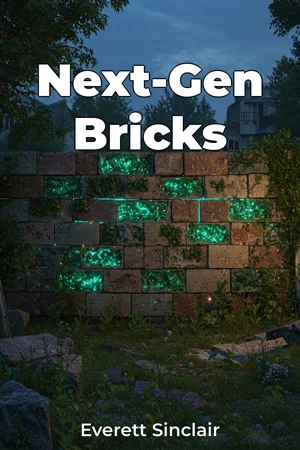
What if the very buildings that define our skylines could actively contribute to a healthier planet? "Next-Gen Bricks" explores this compelling possibility, revealing how innovative materials and biotechnologies are poised to revolutionize the construction industry. This book delves into the science, application, and future potential of sustainable building materials, specifically focusing on bricks created from recycled waste and bio-integrated components. The core of "Next-Gen Bricks" examines two main pillars of sustainable construction. First, it investigates the use of recycled materials, from industrial byproducts to consumer waste, in brick manufacturing. Second, it explores the burgeoning field of bio-bricks, which harness the power of microorganisms, particularly bacteria, to bind materials and create durable building blocks. These topics are paramount as the construction sector grapples with its significant environmental footprint, including resource depletion, carbon emissions, and waste generation. The book argues that a paradigm shift toward these next-generation bricks is not only environmentally responsible but also economically viable and structurally sound. Understanding the context behind this movement requires acknowledging the historical reliance on traditional brick-making, a process heavily dependent on energy-intensive kiln firing and the extraction of virgin clay resources. "Next-Gen Bricks" connects these historical practices to current environmental challenges, highlighting the urgent need for alternative solutions. The book assumes the reader has a basic understanding of material science and environmental concerns, but explanations are given to bring everyone to the same level. The central argument of "Next-Gen Bricks" asserts that widespread adoption of recycled and bio-integrated bricks is essential for creating a truly sustainable built environment. This argument is presented through a multifaceted approach. The book begins by introducing the science behind these innovative materials, detailing the specific processes involved in their creation. It then explores the material properties of next-gen bricks, comparing their strength, durability, and thermal performance to conventional bricks. Case studies of existing structures built with these materials demonstrate their real-world applicability. The book culminates with a discussion of the policy changes, economic incentives, and technological advancements needed to facilitate the widespread adoption of next-generation bricks, offering a roadmap for a more sustainable future. The evidence presented in "Next-Gen Bricks" draws from a wide range of sources, including laboratory testing data, structural engineering reports, life cycle assessments, and interviews with architects, engineers, and material scientists. Published research and standards will also be discussed. "Next-Gen Bricks" intersects with several disciplines, including materials science, microbiology, environmental engineering, and urban planning. This interdisciplinary approach enriches the book's argument by demonstrating the far-reaching implications of sustainable construction practices. What sets "Next-Gen Bricks" apart is its comprehensive and forward-looking perspective. It not only examines the technical aspects of next-generation bricks but also explores their potential to transform the construction industry and contribute to a more sustainable future. The book is written in a professional yet accessible style, aiming to engage both experts and non-experts alike. It will provide a balanced and comprehensive overview of the field, supported by real-world examples and data. The target audience includes architects, engineers, contractors, urban planners, policymakers, and anyone interested in sustainable development and innovative building materials. The book offers valuable insights into the latest advancements in sustainable construction and inspires readers to embrace environmentally responsible practices. "Next-Gen Bricks" maintains a broad scope, covering various types of recycled and bio-integrated bricks, but it focuses primarily on materials that have demonstrated significant potential for scalability and commercial viability. The book acknowledges the ongoing debates surrounding the cost-effectiveness and long-term performance of these materials, presenting a balanced assessment of their advantages and limitations. The information presented in "Next-Gen Bricks" can be applied to a wide range of real-world scenarios, from designing eco-friendly homes to developing sustainable urban infrastructure. It empowers readers to make informed decisions about building materials and contribute to a more sustainable built environment. The book addresses concerns about industry adoption by highlighting opportunities and showcasing the latest achievements.
What if the very buildings that define our skylines could actively contribute to a healthier planet? "Next-Gen Bricks" explores this compelling possibility, revealing how innovative materials and biotechnologies are poised to revolutionize the construction industry. This book delves into the science, application, and future potential of sustainable building materials, specifically focusing on bricks created from recycled waste and bio-integrated components. The core of "Next-Gen Bricks" examines two main pillars of sustainable construction. First, it investigates the use of recycled materials, from industrial byproducts to consumer waste, in brick manufacturing. Second, it explores the burgeoning field of bio-bricks, which harness the power of microorganisms, particularly bacteria, to bind materials and create durable building blocks. These topics are paramount as the construction sector grapples with its significant environmental footprint, including resource depletion, carbon emissions, and waste generation. The book argues that a paradigm shift toward these next-generation bricks is not only environmentally responsible but also economically viable and structurally sound. Understanding the context behind this movement requires acknowledging the historical reliance on traditional brick-making, a process heavily dependent on energy-intensive kiln firing and the extraction of virgin clay resources. "Next-Gen Bricks" connects these historical practices to current environmental challenges, highlighting the urgent need for alternative solutions. The book assumes the reader has a basic understanding of material science and environmental concerns, but explanations are given to bring everyone to the same level. The central argument of "Next-Gen Bricks" asserts that widespread adoption of recycled and bio-integrated bricks is essential for creating a truly sustainable built environment. This argument is presented through a multifaceted approach. The book begins by introducing the science behind these innovative materials, detailing the specific processes involved in their creation. It then explores the material properties of next-gen bricks, comparing their strength, durability, and thermal performance to conventional bricks. Case studies of existing structures built with these materials demonstrate their real-world applicability. The book culminates with a discussion of the policy changes, economic incentives, and technological advancements needed to facilitate the widespread adoption of next-generation bricks, offering a roadmap for a more sustainable future. The evidence presented in "Next-Gen Bricks" draws from a wide range of sources, including laboratory testing data, structural engineering reports, life cycle assessments, and interviews with architects, engineers, and material scientists. Published research and standards will also be discussed. "Next-Gen Bricks" intersects with several disciplines, including materials science, microbiology, environmental engineering, and urban planning. This interdisciplinary approach enriches the book's argument by demonstrating the far-reaching implications of sustainable construction practices. What sets "Next-Gen Bricks" apart is its comprehensive and forward-looking perspective. It not only examines the technical aspects of next-generation bricks but also explores their potential to transform the construction industry and contribute to a more sustainable future. The book is written in a professional yet accessible style, aiming to engage both experts and non-experts alike. It will provide a balanced and comprehensive overview of the field, supported by real-world examples and data. The target audience includes architects, engineers, contractors, urban planners, policymakers, and anyone interested in sustainable development and innovative building materials. The book offers valuable insights into the latest advancements in sustainable construction and inspires readers to embrace environmentally responsible practices. "Next-Gen Bricks" maintains a broad scope, covering various types of recycled and bio-integrated bricks, but it focuses primarily on materials that have demonstrated significant potential for scalability and commercial viability. The book acknowledges the ongoing debates surrounding the cost-effectiveness and long-term performance of these materials, presenting a balanced assessment of their advantages and limitations. The information presented in "Next-Gen Bricks" can be applied to a wide range of real-world scenarios, from designing eco-friendly homes to developing sustainable urban infrastructure. It empowers readers to make informed decisions about building materials and contribute to a more sustainable built environment. The book addresses concerns about industry adoption by highlighting opportunities and showcasing the latest achievements.
"Next-Gen Bricks" explores the revolutionary potential of sustainable building materials, focusing on bricks made from recycled materials and bio-integrated components. It highlights how these next-generation bricks can transform the construction industry, addressing environmental concerns like resource depletion and carbon emissions. The book emphasizes the shift from traditional, energy-intensive brick-making to eco-friendly alternatives, demonstrating that sustainable construction is both environmentally responsible and economically viable. For instance, did you know that certain bio-bricks utilize bacteria to bind materials, creating durable building blocks? Also, many recycled bricks incorporate industrial byproducts and consumer waste, reducing landfill burden. The book approaches the topic by first introducing the science behind these materials and then exploring their properties and real-world applications through case studies. It examines the material properties of these bricks, such as strength and thermal performance, comparing them to conventional bricks. "Next-Gen Bricks" progresses from the science of innovative materials to policy changes and economic incentives needed for their widespread adoption, offering a roadmap for a sustainable future. This book stands out by providing a comprehensive look at the latest advancements, inspiring readers to embrace environmentally responsible practices in architecture and urban planning.
Book Details
ISBN
9788233996536
Publisher
Publifye AS
Your Licenses
You don't own any licenses for this book
Purchase a license below to unlock this book and download the EPUB.
Purchase License
Select a tier to unlock this book
Need bulk licensing?
Contact us for enterprise agreements.