
About This Book
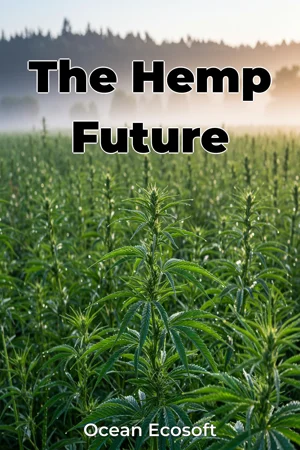
Can hemp, a plant with a long and controversial history, truly offer a viable path toward a more sustainable future? "The Hemp Future" delves into the compelling potential of hemp-based materials to revolutionize various industries and contribute significantly to environmental conservation, while also exploring the economic opportunities this burgeoning field presents. This book examines how hemp can move beyond its association with recreational cannabis to become a cornerstone of a greener economy through innovative applications in textiles, construction, packaging, and beyond. This book is structured around three core themes: the environmental benefits of hemp cultivation and processing, the diverse industrial applications of hemp-based materials, and the economic impact of a widespread transition towards a hemp-centric economy. These themes are crucial as we grapple with climate change and the need for sustainable alternatives to traditional resource-intensive materials. Understanding hemp's potential roles in carbon sequestration, waste reduction, and job creation is vital for businesses, policymakers, and environmentally conscious individuals. Throughout history, hemp has been used for various purposes, from rope and sails to paper and clothing. However, the 20th century saw widespread prohibition due to its association with marijuana, hindering research and development. Recent legislative changes have created new opportunities to explore its potential. While the reader does not need to be an expert in botany or economics, a basic understanding of environmental challenges, manufacturing processes, and supply chains will be beneficial. The central argument of "The Hemp Future" is that hemp-based materials offer a practical and scalable solution to many of the environmental and economic challenges we face. By adopting hemp as a substitute for less sustainable materials, we can mitigate climate change, reduce pollution, and create new economic opportunities. This argument is significant because it challenges conventional thinking and highlights the untapped potential of a readily available and renewable resource. The book begins with an introduction to the history and botany of hemp and addresses common misconceptions surrounding the plant. It then delves into the cultivation of hemp, highlighting its minimal need for pesticides and herbicides, and its ability to improve soil health. The core of the book is divided into chapters focusing on specific applications: hemp textiles as an alternative to cotton and synthetic fabrics; hempcrete in construction for energy-efficient buildings; hemp-based packaging as a biodegradable alternative to plastics; and industrial uses such as bioplastics and biofuels. Each chapter explores the manufacturing processes, environmental impact, and economic viability of these applications. The book culminates with an analysis of the economic opportunities and challenges associated with a widespread transition to a hemp-based economy, including policy recommendations and strategies for overcoming regulatory hurdles. Practical applications and implications are examined through case studies of companies and initiatives already leveraging hemp's potential. The evidence presented includes scientific studies on hemp's carbon sequestration capabilities, life cycle assessments comparing hemp-based products to conventional alternatives, and economic analyses of hemp farming and processing. Data is drawn from academic research, industry reports, and government statistics, as well as interviews with farmers, entrepreneurs, and researchers in the field. This book connects to fields such as agriculture, material science, and environmental policy. The interdisciplinary nature of the topic allows for a holistic understanding of hemp's potential, and the book further connects to discussions surrounding sustainable business practices as well as the ethical considerations of sourcing and production. "The Hemp Future" takes a practical, solutions-oriented approach, focusing on verifiable data and real-world examples. The book avoids overly optimistic or sensationalized claims, instead presenting a balanced assessment of hemp's potential and limitations. It encourages critical thinking and provides readers with the information they need to form their own informed opinions. The target audience includes environmentally conscious consumers, business professionals seeking sustainable alternatives, policymakers interested in promoting green industries, and investors looking for emerging market opportunities. The book is valuable to them because it provides a comprehensive, fact-based overview of the hemp industry and its potential to drive positive change. As a non-fiction work in the environment and business genres, the book strives for accuracy, objectivity, and clarity. It presents complex information in an accessible and engaging manner, avoiding jargon and technical terms whenever possible. The book focuses primarily on the environmental and economic aspects of using hemp-based materials in various industries. While it touches on the history of hemp and its legal status, it purposefully avoids any discussion of the plant's psychoactive properties or the recreational cannabis industry. The information in this book can be applied practically by readers in various ways. Consumers can make more informed purchasing decisions by choosing hemp-based products. Businesses can explore opportunities to incorporate hemp into their supply chains. Policymakers can use the book's findings to develop supportive regulations and incentives. Investors can identify promising ventures in the hemp industry. The book addresses debates over best agricultural practices for hemp cultivation, as well as the cost-competitiveness of hemp materials compared to established alternatives. It also considers controversies related to the regulatory landscape and the lingering stigma associated with hemp.
Can hemp, a plant with a long and controversial history, truly offer a viable path toward a more sustainable future? "The Hemp Future" delves into the compelling potential of hemp-based materials to revolutionize various industries and contribute significantly to environmental conservation, while also exploring the economic opportunities this burgeoning field presents. This book examines how hemp can move beyond its association with recreational cannabis to become a cornerstone of a greener economy through innovative applications in textiles, construction, packaging, and beyond. This book is structured around three core themes: the environmental benefits of hemp cultivation and processing, the diverse industrial applications of hemp-based materials, and the economic impact of a widespread transition towards a hemp-centric economy. These themes are crucial as we grapple with climate change and the need for sustainable alternatives to traditional resource-intensive materials. Understanding hemp's potential roles in carbon sequestration, waste reduction, and job creation is vital for businesses, policymakers, and environmentally conscious individuals. Throughout history, hemp has been used for various purposes, from rope and sails to paper and clothing. However, the 20th century saw widespread prohibition due to its association with marijuana, hindering research and development. Recent legislative changes have created new opportunities to explore its potential. While the reader does not need to be an expert in botany or economics, a basic understanding of environmental challenges, manufacturing processes, and supply chains will be beneficial. The central argument of "The Hemp Future" is that hemp-based materials offer a practical and scalable solution to many of the environmental and economic challenges we face. By adopting hemp as a substitute for less sustainable materials, we can mitigate climate change, reduce pollution, and create new economic opportunities. This argument is significant because it challenges conventional thinking and highlights the untapped potential of a readily available and renewable resource. The book begins with an introduction to the history and botany of hemp and addresses common misconceptions surrounding the plant. It then delves into the cultivation of hemp, highlighting its minimal need for pesticides and herbicides, and its ability to improve soil health. The core of the book is divided into chapters focusing on specific applications: hemp textiles as an alternative to cotton and synthetic fabrics; hempcrete in construction for energy-efficient buildings; hemp-based packaging as a biodegradable alternative to plastics; and industrial uses such as bioplastics and biofuels. Each chapter explores the manufacturing processes, environmental impact, and economic viability of these applications. The book culminates with an analysis of the economic opportunities and challenges associated with a widespread transition to a hemp-based economy, including policy recommendations and strategies for overcoming regulatory hurdles. Practical applications and implications are examined through case studies of companies and initiatives already leveraging hemp's potential. The evidence presented includes scientific studies on hemp's carbon sequestration capabilities, life cycle assessments comparing hemp-based products to conventional alternatives, and economic analyses of hemp farming and processing. Data is drawn from academic research, industry reports, and government statistics, as well as interviews with farmers, entrepreneurs, and researchers in the field. This book connects to fields such as agriculture, material science, and environmental policy. The interdisciplinary nature of the topic allows for a holistic understanding of hemp's potential, and the book further connects to discussions surrounding sustainable business practices as well as the ethical considerations of sourcing and production. "The Hemp Future" takes a practical, solutions-oriented approach, focusing on verifiable data and real-world examples. The book avoids overly optimistic or sensationalized claims, instead presenting a balanced assessment of hemp's potential and limitations. It encourages critical thinking and provides readers with the information they need to form their own informed opinions. The target audience includes environmentally conscious consumers, business professionals seeking sustainable alternatives, policymakers interested in promoting green industries, and investors looking for emerging market opportunities. The book is valuable to them because it provides a comprehensive, fact-based overview of the hemp industry and its potential to drive positive change. As a non-fiction work in the environment and business genres, the book strives for accuracy, objectivity, and clarity. It presents complex information in an accessible and engaging manner, avoiding jargon and technical terms whenever possible. The book focuses primarily on the environmental and economic aspects of using hemp-based materials in various industries. While it touches on the history of hemp and its legal status, it purposefully avoids any discussion of the plant's psychoactive properties or the recreational cannabis industry. The information in this book can be applied practically by readers in various ways. Consumers can make more informed purchasing decisions by choosing hemp-based products. Businesses can explore opportunities to incorporate hemp into their supply chains. Policymakers can use the book's findings to develop supportive regulations and incentives. Investors can identify promising ventures in the hemp industry. The book addresses debates over best agricultural practices for hemp cultivation, as well as the cost-competitiveness of hemp materials compared to established alternatives. It also considers controversies related to the regulatory landscape and the lingering stigma associated with hemp.
"The Hemp Future" explores hemp's potential to revolutionize industries and promote environmental conservation, transitioning it from its controversial past to a cornerstone of the green economy. Hemp offers innovative applications in textiles, construction, and packaging, providing sustainable alternatives to traditional materials. Intriguingly, hemp cultivation requires minimal pesticides and herbicides, enriching soil health while sequestering carbon. The book argues that hemp-based materials present a scalable solution to environmental and economic challenges. The book begins with hemp's history and botany, dispelling misconceptions. It then examines its cultivation and applications like hemp textiles, hempcrete, and bioplastics, analyzing their environmental impact and economic viability. The core themes are environmental benefits, diverse applications, and economic impact, illustrated by case studies. Ultimately, the book analyzes the economic opportunities and challenges of a hemp-based economy, offering policy recommendations for businesses and policymakers interested in sustainable business practices.
Book Details
ISBN
9788233996505
Publisher
Publifye AS
Your Licenses
You don't own any licenses for this book
Purchase a license below to unlock this book and download the EPUB.
Purchase License
Select a tier to unlock this book
Need bulk licensing?
Contact us for enterprise agreements.