
About This Book
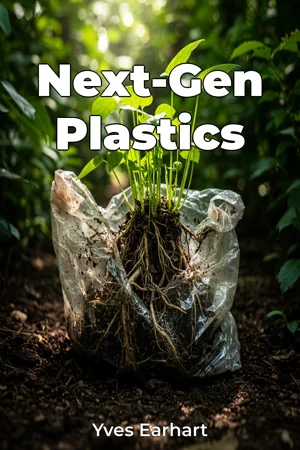
Can biodegradable plastics truly solve our planet's escalating plastic pollution crisis, or are they simply a greenwashed illusion? "Next-Gen Plastics" navigates this complex question, offering a comprehensive exploration of the emerging world of biodegradable polymers and their potential impact on the environment. This book delves into the science, the promises, and the practical limitations of these materials, providing a balanced perspective crucial for anyone seeking to understand the future of plastics. At its core, this book grapples with two fundamental challenges. First, it seeks to define "biodegradable" in a meaningful and scientifically rigorous manner, dispelling the ambiguity surrounding the term. Many plastics marketed as biodegradable only break down under very specific industrial conditions, rendering them ineffective in addressing widespread pollution. Second, the book assesses the environmental impact of biodegradable plastics across their entire lifecycle, from production and use to disposal and degradation. This includes evaluating their carbon footprint, resource consumption, and potential for contributing to microplastic pollution. The urgency of these topics is undeniable, as plastic waste continues to overwhelm ecosystems, threaten wildlife, and even infiltrate the human food chain. "Next-Gen Plastics" begins by establishing the historical context of plastic production and its environmental consequences. It outlines the evolution of plastic materials and their impact on global ecosystems, setting the stage for understanding the need for biodegradable alternatives. The book then moves into an in-depth examination of different types of biodegradable polymers, including those derived from renewable resources (e.g., polylactic acid (PLA), polyhydroxyalkanoates (PHAs)) and those derived from fossil fuels but designed to degrade more readily (e.g., polybutylene succinate (PBS)). Each polymer type is analyzed in terms of its chemical properties, production methods, degradation mechanisms, and potential applications. The core argument of "Next-Gen Plastics" is that while biodegradable plastics hold considerable promise for mitigating plastic pollution, their effectiveness hinges on several critical factors: proper waste management infrastructure, realistic degradation timelines, and a comprehensive understanding of their environmental impact across the entire lifecycle. The book presents evidence from laboratory studies, field trials, and lifecycle assessments to support this argument. It analyzes the conditions necessary for biodegradation to occur in various environments, including landfills, compost facilities, and marine ecosystems, demonstrating the importance of appropriate disposal methods. Data from material science, environmental science, and chemical engineering are integrated throughout the book. "Next-Gen Plastics" connects to several other fields, including materials science, environmental policy, and industrial ecology. The discussion of polymer chemistry and material properties is crucial for understanding the capabilities and limitations of different biodegradable plastics. The analysis of environmental policy and waste management practices highlights the regulatory and infrastructural challenges associated with widespread adoption of these materials. Finally, the integration of industrial ecology principles emphasizes the need for a holistic approach to assessing the sustainability of biodegradable plastics, considering the entire product lifecycle from raw material extraction to end-of-life disposal. This book offers a unique perspective by focusing not only on the technical aspects of biodegradable plastics but also on the socio-economic factors that influence their adoption and effectiveness. It addresses common misconceptions about biodegradability and provides practical guidance for consumers, policymakers, and businesses seeking to make informed decisions about plastic use and disposal. "Next-Gen Plastics" is written in an accessible yet rigorous style, making it suitable for a broad audience, including students, researchers, environmental professionals, and anyone interested in sustainable solutions to plastic pollution. The book acknowledges the ongoing debates surrounding biodegradable plastics, including concerns about land use for bioplastic feedstocks and the potential for greenwashing. It aims to provide a balanced and nuanced perspective that encourages critical thinking and informed decision-making. While the book covers a wide range of biodegradable polymers and applications, it acknowledges that the field is rapidly evolving, and new materials and technologies are constantly emerging. The information within provides real-world applications, illustrating how biodegradable plastics are currently being used in packaging, agriculture, and healthcare. "Next-Gen Plastics" explores the opportunities and challenges associated with scaling up the production and use of these materials to replace conventional plastics in a variety of applications. Ultimately, "Next-Gen Plastics" provides readers with the knowledge and tools they need to navigate the complexities of the biodegradable plastics landscape and contribute to a more sustainable future.
Can biodegradable plastics truly solve our planet's escalating plastic pollution crisis, or are they simply a greenwashed illusion? "Next-Gen Plastics" navigates this complex question, offering a comprehensive exploration of the emerging world of biodegradable polymers and their potential impact on the environment. This book delves into the science, the promises, and the practical limitations of these materials, providing a balanced perspective crucial for anyone seeking to understand the future of plastics. At its core, this book grapples with two fundamental challenges. First, it seeks to define "biodegradable" in a meaningful and scientifically rigorous manner, dispelling the ambiguity surrounding the term. Many plastics marketed as biodegradable only break down under very specific industrial conditions, rendering them ineffective in addressing widespread pollution. Second, the book assesses the environmental impact of biodegradable plastics across their entire lifecycle, from production and use to disposal and degradation. This includes evaluating their carbon footprint, resource consumption, and potential for contributing to microplastic pollution. The urgency of these topics is undeniable, as plastic waste continues to overwhelm ecosystems, threaten wildlife, and even infiltrate the human food chain. "Next-Gen Plastics" begins by establishing the historical context of plastic production and its environmental consequences. It outlines the evolution of plastic materials and their impact on global ecosystems, setting the stage for understanding the need for biodegradable alternatives. The book then moves into an in-depth examination of different types of biodegradable polymers, including those derived from renewable resources (e.g., polylactic acid (PLA), polyhydroxyalkanoates (PHAs)) and those derived from fossil fuels but designed to degrade more readily (e.g., polybutylene succinate (PBS)). Each polymer type is analyzed in terms of its chemical properties, production methods, degradation mechanisms, and potential applications. The core argument of "Next-Gen Plastics" is that while biodegradable plastics hold considerable promise for mitigating plastic pollution, their effectiveness hinges on several critical factors: proper waste management infrastructure, realistic degradation timelines, and a comprehensive understanding of their environmental impact across the entire lifecycle. The book presents evidence from laboratory studies, field trials, and lifecycle assessments to support this argument. It analyzes the conditions necessary for biodegradation to occur in various environments, including landfills, compost facilities, and marine ecosystems, demonstrating the importance of appropriate disposal methods. Data from material science, environmental science, and chemical engineering are integrated throughout the book. "Next-Gen Plastics" connects to several other fields, including materials science, environmental policy, and industrial ecology. The discussion of polymer chemistry and material properties is crucial for understanding the capabilities and limitations of different biodegradable plastics. The analysis of environmental policy and waste management practices highlights the regulatory and infrastructural challenges associated with widespread adoption of these materials. Finally, the integration of industrial ecology principles emphasizes the need for a holistic approach to assessing the sustainability of biodegradable plastics, considering the entire product lifecycle from raw material extraction to end-of-life disposal. This book offers a unique perspective by focusing not only on the technical aspects of biodegradable plastics but also on the socio-economic factors that influence their adoption and effectiveness. It addresses common misconceptions about biodegradability and provides practical guidance for consumers, policymakers, and businesses seeking to make informed decisions about plastic use and disposal. "Next-Gen Plastics" is written in an accessible yet rigorous style, making it suitable for a broad audience, including students, researchers, environmental professionals, and anyone interested in sustainable solutions to plastic pollution. The book acknowledges the ongoing debates surrounding biodegradable plastics, including concerns about land use for bioplastic feedstocks and the potential for greenwashing. It aims to provide a balanced and nuanced perspective that encourages critical thinking and informed decision-making. While the book covers a wide range of biodegradable polymers and applications, it acknowledges that the field is rapidly evolving, and new materials and technologies are constantly emerging. The information within provides real-world applications, illustrating how biodegradable plastics are currently being used in packaging, agriculture, and healthcare. "Next-Gen Plastics" explores the opportunities and challenges associated with scaling up the production and use of these materials to replace conventional plastics in a variety of applications. Ultimately, "Next-Gen Plastics" provides readers with the knowledge and tools they need to navigate the complexities of the biodegradable plastics landscape and contribute to a more sustainable future.
"Next-Gen Plastics" delves into the crucial topic of biodegradable polymers and their potential to address global plastic pollution. It investigates whether these materials offer a genuine solution or merely represent "greenwashing." The book examines the science behind biodegradable plastics, highlighting that many require specific industrial conditions to break down effectively, a stark contrast to their performance in typical disposal scenarios. Further, it assesses the complete lifecycle of these plastics, from production to degradation, to understand their true environmental impact, including the potential contribution to microplastic pollution. The book systematically progresses through the history of plastics and their ecological consequences, then transitions to a detailed analysis of various biodegradable polymer types like polylactic acid (PLA) and polyhydroxyalkanoates (PHAs). It emphasizes the critical need for proper waste management infrastructure and realistic degradation timelines to maximize the benefits of these materials. The book uniquely integrates material science, environmental policy, and industrial ecology to provide a complete view. Ultimately, "Next-Gen Plastics" equips readers with the knowledge to make informed decisions about plastic use and disposal, contributing to a more sustainable future.
Book Details
ISBN
9788233996482
Publisher
Publifye AS
Your Licenses
You don't own any licenses for this book
Purchase a license below to unlock this book and download the EPUB.
Purchase License
Select a tier to unlock this book
Need bulk licensing?
Contact us for enterprise agreements.