
About This Book
Imagine a future where buildings grow themselves, infrastructure repairs occur autonomously, and design seamlessly integrates with living systems. "Living Materials" explores this rapidly evolving field, delving into bio-materials with the potential to revolutionize construction, design, and numerous other aspects of our lives. The book examines how we are beginning to harness the power of living organisms and biological processes to create materials with unprecedented properties like self-repair, growth, and environmental adaptability. This exploration is crucial because conventional material science faces limitations in sustainability, performance, and adaptability. The unsustainable extraction of raw materials, coupled with energy-intensive manufacturing processes, contributes significantly to environmental degradation. Living materials offer a path toward a more sustainable and resilient future by reducing our reliance on finite resources and minimizing environmental impact. Furthermore, the unique properties of these materials could unlock innovative solutions to challenges in construction, medicine, and environmental remediation. "Living Materials" provides the necessary context by tracing the historical development of material science, highlighting the shift from purely synthetic materials to bio-inspired and bio-integrated approaches. It examines key scientific milestones in microbiology, genetics, and materials engineering that paved the way for the emergence of living materials. Some familiarity with basic biology and materials science concepts will enhance the reader's understanding, though the book is designed to be accessible to a broad audience. The central argument of "Living Materials" is that the integration of biological principles into materials science is not merely a technological advancement but a paradigm shift that will reshape how we interact with the built environment and the natural world. It posits that living materials represent a new era of design and engineering, where structures are not just static objects but dynamic systems capable of adapting and evolving. The book unfolds in a structured manner. It begins by introducing the fundamental concepts of living materials, defining key terms, and outlining the distinct types of bio-materials, from those incorporating living cells to those inspired by natural processes. The core of the book then develops in three major sections. The first explores "Growing Structures," examining bio-concrete, self-healing materials, and the potential for bio-printed buildings. The second section, "Living Infrastructure," investigates the applications of living materials in environmental remediation, such as bio-filtration systems and self-repairing pipelines. The final section, "Designing with Biology," delves into the aesthetic and functional possibilities of integrating living systems into design, showcasing examples of bio-luminescent lighting, living textiles, and responsive architectural elements. The book culminates by considering the ethical and societal implications of living materials, discussing potential risks, regulatory challenges, and future directions. The arguments presented are supported by extensive research, drawing on peer-reviewed scientific publications, case studies of real-world applications, and interviews with leading researchers in the field. "Living Materials" also presents novel data gathered from experimental studies on bio-concrete and self-healing polymers, offering unique insights into their performance and scalability. The book makes interdisciplinary connections to fields such as architecture, environmental science, and policy. The architectural implications are significant, suggesting a future where buildings are more adaptable and responsive to their environment. Connections to environmental science highlight the potential of living materials to address pollution and promote sustainability. The integration of policy considerations is vital for navigating the ethical and regulatory challenges associated with the widespread adoption of these novel materials. "Living Materials" distinguishes itself through its future-focused perspective and its emphasis on the practical applications of these technologies. It combines a comprehensive overview of the current state of research with an exploration of the transformative potential of living materials. The book adopts a tone of informed optimism, presenting complex scientific concepts in an accessible and engaging manner. It avoids technical jargon where possible and uses illustrative examples to clarify key points. The target audience includes students, researchers, architects, engineers, designers, and anyone interested in the future of materials science and sustainable development. It will be valuable to those seeking a comprehensive overview of the field. As a work of non-fiction within the 'Biology, Science Life Sciences, Biotechnology' genres, "Living Materials" adheres to the conventions of accuracy, objectivity, and evidence-based reasoning. While the book strives for broad coverage, it acknowledges the limitations of focusing primarily on biological applications in materials science, while other areas such as advanced synthetic polymers might receive less detailed attention. The insights offered within "Living Materials" extend beyond theoretical knowledge, with practical applications in fields ranging construction, remediation, and design. Readers will gain insights into techniques of implementation and real-world examples of these applications. While generally hopeful, "Living Materials" addresses the ongoing debates surrounding the ethical and environmental implications of biotechnology, ensuring a balanced view.
Imagine a future where buildings grow themselves, infrastructure repairs occur autonomously, and design seamlessly integrates with living systems. "Living Materials" explores this rapidly evolving field, delving into bio-materials with the potential to revolutionize construction, design, and numerous other aspects of our lives. The book examines how we are beginning to harness the power of living organisms and biological processes to create materials with unprecedented properties like self-repair, growth, and environmental adaptability. This exploration is crucial because conventional material science faces limitations in sustainability, performance, and adaptability. The unsustainable extraction of raw materials, coupled with energy-intensive manufacturing processes, contributes significantly to environmental degradation. Living materials offer a path toward a more sustainable and resilient future by reducing our reliance on finite resources and minimizing environmental impact. Furthermore, the unique properties of these materials could unlock innovative solutions to challenges in construction, medicine, and environmental remediation. "Living Materials" provides the necessary context by tracing the historical development of material science, highlighting the shift from purely synthetic materials to bio-inspired and bio-integrated approaches. It examines key scientific milestones in microbiology, genetics, and materials engineering that paved the way for the emergence of living materials. Some familiarity with basic biology and materials science concepts will enhance the reader's understanding, though the book is designed to be accessible to a broad audience. The central argument of "Living Materials" is that the integration of biological principles into materials science is not merely a technological advancement but a paradigm shift that will reshape how we interact with the built environment and the natural world. It posits that living materials represent a new era of design and engineering, where structures are not just static objects but dynamic systems capable of adapting and evolving. The book unfolds in a structured manner. It begins by introducing the fundamental concepts of living materials, defining key terms, and outlining the distinct types of bio-materials, from those incorporating living cells to those inspired by natural processes. The core of the book then develops in three major sections. The first explores "Growing Structures," examining bio-concrete, self-healing materials, and the potential for bio-printed buildings. The second section, "Living Infrastructure," investigates the applications of living materials in environmental remediation, such as bio-filtration systems and self-repairing pipelines. The final section, "Designing with Biology," delves into the aesthetic and functional possibilities of integrating living systems into design, showcasing examples of bio-luminescent lighting, living textiles, and responsive architectural elements. The book culminates by considering the ethical and societal implications of living materials, discussing potential risks, regulatory challenges, and future directions. The arguments presented are supported by extensive research, drawing on peer-reviewed scientific publications, case studies of real-world applications, and interviews with leading researchers in the field. "Living Materials" also presents novel data gathered from experimental studies on bio-concrete and self-healing polymers, offering unique insights into their performance and scalability. The book makes interdisciplinary connections to fields such as architecture, environmental science, and policy. The architectural implications are significant, suggesting a future where buildings are more adaptable and responsive to their environment. Connections to environmental science highlight the potential of living materials to address pollution and promote sustainability. The integration of policy considerations is vital for navigating the ethical and regulatory challenges associated with the widespread adoption of these novel materials. "Living Materials" distinguishes itself through its future-focused perspective and its emphasis on the practical applications of these technologies. It combines a comprehensive overview of the current state of research with an exploration of the transformative potential of living materials. The book adopts a tone of informed optimism, presenting complex scientific concepts in an accessible and engaging manner. It avoids technical jargon where possible and uses illustrative examples to clarify key points. The target audience includes students, researchers, architects, engineers, designers, and anyone interested in the future of materials science and sustainable development. It will be valuable to those seeking a comprehensive overview of the field. As a work of non-fiction within the 'Biology, Science Life Sciences, Biotechnology' genres, "Living Materials" adheres to the conventions of accuracy, objectivity, and evidence-based reasoning. While the book strives for broad coverage, it acknowledges the limitations of focusing primarily on biological applications in materials science, while other areas such as advanced synthetic polymers might receive less detailed attention. The insights offered within "Living Materials" extend beyond theoretical knowledge, with practical applications in fields ranging construction, remediation, and design. Readers will gain insights into techniques of implementation and real-world examples of these applications. While generally hopeful, "Living Materials" addresses the ongoing debates surrounding the ethical and environmental implications of biotechnology, ensuring a balanced view.
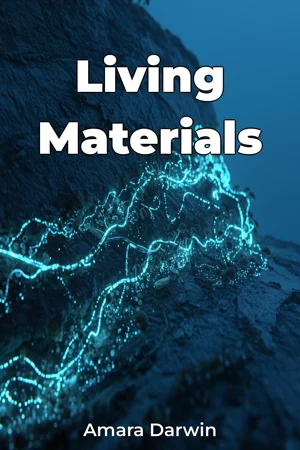
"Living Materials" explores the exciting potential of integrating living organisms and biological processes into material science, offering solutions to issues of sustainability and performance. This emerging field promises self-repairing structures and buildings that grow, moving beyond the limitations of traditional materials. Imagine bio-concrete buildings and self-repairing pipelines becoming commonplace, greatly reducing our reliance on resource-intensive manufacturing. The book traces the development of bio-materials and their applications in "Growing Structures", "Living Infrastructure", and "Designing with Biology". It highlights how biotechnology is being used for environmental remediation, such as in bio-filtration systems, and also examines the integration of living systems into design, for example, bio-luminescent lighting. One intriguing area covered is the potential for "Living Materials" to revolutionize construction through bio-printed buildings, showcasing a blend of biology and architecture. The book provides a structured overview, beginning with fundamental concepts and progressing through real-world applications, ethical considerations, and future directions. By presenting research, case studies, and expert interviews, it bridges the gap between current scientific understanding and the transformative possibilities of bio-integrated design, making it valuable for anyone interested in sustainable development and the future of materials science.
Book Details
ISBN
9788233996475
Publisher
Publifye AS
Your Licenses
You don't own any licenses for this book
Purchase a license below to unlock this book and download the EPUB.
Purchase License
Select a tier to unlock this book
Need bulk licensing?
Contact us for enterprise agreements.