
About This Book
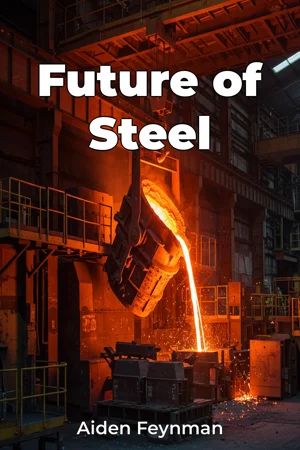
What if the backbone of modern civilization—steel—is on the verge of a radical transformation? "Future of Steel" delves into the dynamic evolution of this foundational material, exploring how it is being reshaped through innovative recycling processes, the creation of advanced alloys, and the development of stronger while lighter materials. These advancements are not merely incremental improvements; they represent a fundamental shift in how we produce, utilize, and perceive steel. This book addresses three key areas poised to redefine the steel industry. First, it examines cutting-edge recycling technologies that promise to significantly reduce the environmental footprint of steel production, moving towards a circular economy model. Second, it explores the latest breakthroughs in alloy design, focusing on the creation of high-performance steels tailored for specific applications, from aerospace to biomedical engineering. Finally, it investigates the development of advanced high-strength steels (AHSS) and other lightweight steel alternatives that offer enhanced structural integrity while minimizing weight, crucial for industries like automotive and construction. Understanding the future of steel requires acknowledging its historical context. From the Bessemer process to today's electric arc furnaces, steel production is intrinsically linked to industrial progress. However, traditional methods contribute significantly to carbon emissions and resource depletion. This book argues that the key to a sustainable future lies in embracing technological innovations that prioritize resource efficiency and environmental responsibility. The central thesis is that adapting to these advancements is not simply an option but an imperative for ensuring the continued viability of the steel industry and its crucial role in global infrastructure and manufacturing. "Future of Steel" begins by laying the groundwork, introducing the fundamental properties of steel and the challenges associated with its current production methods. It then proceeds with three core sections: (1) "The Recycling Revolution," which details the latest technologies for maximizing steel recycling and minimizing waste; (2) "Alloys for the Future," where advanced alloy design and their application are presented; and (3) "Strength and Lightness," which discusses the development and implementation of high-strength and lightweight steels. The concluding chapter synthesizes these advancements, painting a picture of a future where steel is simultaneously more sustainable, more versatile, and more efficient. The book draws on a wide range of data sources, including scientific publications, industry reports, and case studies of innovative steel manufacturers. It also incorporates interviews with leading researchers and engineers in materials science and metallurgy, providing firsthand insights into the challenges and opportunities facing the industry. The research methodology emphasizes a balanced approach, combining theoretical analysis with practical examples to illustrate the real-world impact of these technological advancements. "Future of Steel" also highlights the interdisciplinary nature of materials science, connecting it with fields such as environmental science, engineering, and economics. The book explores how steel advancements can contribute to sustainable development goals, reduce carbon emissions, and drive economic growth. It further analyzes the economic incentives and policy frameworks necessary to promote the adoption of innovative steel technologies on a global scale. This book offers a unique perspective by focusing not only on the technical aspects of steel production but also on the broader societal and environmental implications. It emphasizes the need for a holistic approach that considers the entire life cycle of steel, from raw material extraction to end-of-life recycling. Written in a clear and accessible style, "Future of Steel" is aimed at a broad audience, including engineers, scientists, policymakers, business professionals, and anyone interested in the future of materials science and sustainable development. This book will provide readers with a comprehensive understanding of the forces reshaping the steel industry and the opportunities for innovation and growth. While the book covers a wide range of topics, it focuses primarily on technological advancements and their environmental and economic impacts. It does not delve deeply into the geopolitical aspects of the steel trade or the labor-related challenges within the industry. The information presented in "Future of Steel" can be applied practically by engineers seeking to design more efficient structures, by policymakers developing sustainable development strategies, and by business leaders looking to invest in innovative steel technologies. The book also addresses the ongoing debates surrounding the role of steel in a carbon-constrained world, presenting evidence-based arguments for how the industry can adapt and thrive in the face of climate change.
What if the backbone of modern civilization—steel—is on the verge of a radical transformation? "Future of Steel" delves into the dynamic evolution of this foundational material, exploring how it is being reshaped through innovative recycling processes, the creation of advanced alloys, and the development of stronger while lighter materials. These advancements are not merely incremental improvements; they represent a fundamental shift in how we produce, utilize, and perceive steel. This book addresses three key areas poised to redefine the steel industry. First, it examines cutting-edge recycling technologies that promise to significantly reduce the environmental footprint of steel production, moving towards a circular economy model. Second, it explores the latest breakthroughs in alloy design, focusing on the creation of high-performance steels tailored for specific applications, from aerospace to biomedical engineering. Finally, it investigates the development of advanced high-strength steels (AHSS) and other lightweight steel alternatives that offer enhanced structural integrity while minimizing weight, crucial for industries like automotive and construction. Understanding the future of steel requires acknowledging its historical context. From the Bessemer process to today's electric arc furnaces, steel production is intrinsically linked to industrial progress. However, traditional methods contribute significantly to carbon emissions and resource depletion. This book argues that the key to a sustainable future lies in embracing technological innovations that prioritize resource efficiency and environmental responsibility. The central thesis is that adapting to these advancements is not simply an option but an imperative for ensuring the continued viability of the steel industry and its crucial role in global infrastructure and manufacturing. "Future of Steel" begins by laying the groundwork, introducing the fundamental properties of steel and the challenges associated with its current production methods. It then proceeds with three core sections: (1) "The Recycling Revolution," which details the latest technologies for maximizing steel recycling and minimizing waste; (2) "Alloys for the Future," where advanced alloy design and their application are presented; and (3) "Strength and Lightness," which discusses the development and implementation of high-strength and lightweight steels. The concluding chapter synthesizes these advancements, painting a picture of a future where steel is simultaneously more sustainable, more versatile, and more efficient. The book draws on a wide range of data sources, including scientific publications, industry reports, and case studies of innovative steel manufacturers. It also incorporates interviews with leading researchers and engineers in materials science and metallurgy, providing firsthand insights into the challenges and opportunities facing the industry. The research methodology emphasizes a balanced approach, combining theoretical analysis with practical examples to illustrate the real-world impact of these technological advancements. "Future of Steel" also highlights the interdisciplinary nature of materials science, connecting it with fields such as environmental science, engineering, and economics. The book explores how steel advancements can contribute to sustainable development goals, reduce carbon emissions, and drive economic growth. It further analyzes the economic incentives and policy frameworks necessary to promote the adoption of innovative steel technologies on a global scale. This book offers a unique perspective by focusing not only on the technical aspects of steel production but also on the broader societal and environmental implications. It emphasizes the need for a holistic approach that considers the entire life cycle of steel, from raw material extraction to end-of-life recycling. Written in a clear and accessible style, "Future of Steel" is aimed at a broad audience, including engineers, scientists, policymakers, business professionals, and anyone interested in the future of materials science and sustainable development. This book will provide readers with a comprehensive understanding of the forces reshaping the steel industry and the opportunities for innovation and growth. While the book covers a wide range of topics, it focuses primarily on technological advancements and their environmental and economic impacts. It does not delve deeply into the geopolitical aspects of the steel trade or the labor-related challenges within the industry. The information presented in "Future of Steel" can be applied practically by engineers seeking to design more efficient structures, by policymakers developing sustainable development strategies, and by business leaders looking to invest in innovative steel technologies. The book also addresses the ongoing debates surrounding the role of steel in a carbon-constrained world, presenting evidence-based arguments for how the industry can adapt and thrive in the face of climate change.
"Future of Steel" explores the evolving landscape of steel production and its pivotal role in a sustainable future. It highlights advancements in recycling technologies, the creation of advanced alloys, and the development of high-strength, lightweight steel. The book emphasizes the shift from traditional, carbon-intensive methods to innovative approaches that prioritize resource efficiency and environmental responsibility. Steel, a cornerstone of modern civilization, is being reshaped to meet the demands of a circular economy. The book delves into how cutting-edge recycling processes are minimizing the environmental footprint, while advanced alloy designs are creating high-performance steels tailored for specialized applications. Furthermore, the development of high-strength steels offers enhanced structural integrity with minimal weight, crucial for industries like automotive and construction. "Future of Steel" begins with the fundamentals, progresses through recycling innovations, alloy design, and lightweight options, and concludes with a vision for a sustainable, versatile, and efficient steel industry.
Book Details
ISBN
9788233996451
Publisher
Publifye AS
Your Licenses
You don't own any licenses for this book
Purchase a license below to unlock this book and download the EPUB.
Purchase License
Select a tier to unlock this book
Need bulk licensing?
Contact us for enterprise agreements.