
About This Book
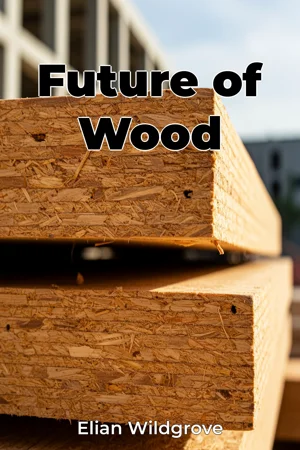
Can wood truly be the material of the future, poised to address some of our most pressing environmental and technological challenges? "Future of Wood" delves into the evolving role of wood in modern construction, sustainable practices, and technological innovations, arguing that advancements in wood science and engineering are making it an increasingly viable and crucial resource for a sustainable future. This book explores how wood, an age-old material, is being reimagined and re-engineered to meet the demands of a rapidly changing world. The book primarily focuses on three key areas: the technological advancements driving wood innovation, the environmental sustainability of wood sourcing and usage, and the integration of wood into cutting-edge construction methods. Each of these topics is critical because they challenge conventional perceptions of wood as a traditional material and highlight its potential to contribute to a more environmentally responsible and technologically advanced society. Understanding the resurgence of wood requires considering its historical use in construction and manufacturing, as well as the environmental movements that have pushed for more sustainable building practices. Readers should possess a basic understanding of material science, ecological principles, and construction processes to fully appreciate the nuances discussed. The central thesis of "Future of Wood" is that wood, through technological advancements and sustainable forestry practices, is not just a material of the past but a vital component of a sustainable future. It challenges the notion that modern construction must rely solely on concrete and steel, advocating for a more balanced approach that leverages the renewable and carbon-sequestering properties of wood. The book begins by introducing the latest advancements in wood technology, such as cross-laminated timber (CLT), mass timber construction, and engineered wood products. It then explores the environmental aspects of wood, detailing sustainable forestry management, carbon sequestration, and the life-cycle analysis of wood products. Following this, the book moves onto modern applications, with dedicated sections covering innovations in construction and design, integration in modular building, and case studies demonstrating the successful implementation of wood in architectural projects. The book culminates by proposing a future vision where wood plays a central role in urban development and a circular economy. Evidence presented includes scientific research on wood properties, data from environmental impact assessments, case studies of innovative wood construction projects, and statistical analysis of wood's economic and environmental benefits. Methodologies include comparative life-cycle assessments, structural analysis of wood buildings, and interviews with leading architects and engineers. "Future of Wood" connects to several interdisciplinary fields, including environmental science, engineering, and economics. Its insights into sustainable forestry connect it to ecological studies and conservation efforts. Its discussion of engineered wood products ties into material science and structural engineering. Finally, its exploration of wood's economic viability connects to business and economics. The book offers a unique perspective by combining technological innovation with environmental sustainability. It presents wood not just as a building material, but as a holistic solution that addresses environmental, economic, and social challenges, using a fact-based tone and accessible writing style. The target audience includes architects, engineers, construction professionals, environmental scientists, policymakers, and anyone interested in sustainable building practices and technological innovation. It will be valuable to these readers by providing them with the latest research, practical examples, and a compelling vision for the future of wood and the built environment. As a non-fiction book in the technology and environment genres, "Future of Wood" adheres to standards of factual accuracy, clear presentation of data, and objective analysis. The book's scope is intentionally broad, covering the key areas of technology, sustainability, and innovation. Limitations include a focus on developed countries and a greater emphasis on structural applications of wood rather than decorative or artistic uses. The information in this book can be applied practically by architects and engineers in designing and constructing sustainable buildings, by policymakers in developing regulations that promote sustainable forestry practices, and by consumers in making informed choices about building materials. The book addresses ongoing debates about the sustainability of wood sourcing and the fire resistance of mass timber buildings. By presenting factual data and evidence-based analysis, it aims to contribute to informed discussions and dispel common misconceptions.
Can wood truly be the material of the future, poised to address some of our most pressing environmental and technological challenges? "Future of Wood" delves into the evolving role of wood in modern construction, sustainable practices, and technological innovations, arguing that advancements in wood science and engineering are making it an increasingly viable and crucial resource for a sustainable future. This book explores how wood, an age-old material, is being reimagined and re-engineered to meet the demands of a rapidly changing world. The book primarily focuses on three key areas: the technological advancements driving wood innovation, the environmental sustainability of wood sourcing and usage, and the integration of wood into cutting-edge construction methods. Each of these topics is critical because they challenge conventional perceptions of wood as a traditional material and highlight its potential to contribute to a more environmentally responsible and technologically advanced society. Understanding the resurgence of wood requires considering its historical use in construction and manufacturing, as well as the environmental movements that have pushed for more sustainable building practices. Readers should possess a basic understanding of material science, ecological principles, and construction processes to fully appreciate the nuances discussed. The central thesis of "Future of Wood" is that wood, through technological advancements and sustainable forestry practices, is not just a material of the past but a vital component of a sustainable future. It challenges the notion that modern construction must rely solely on concrete and steel, advocating for a more balanced approach that leverages the renewable and carbon-sequestering properties of wood. The book begins by introducing the latest advancements in wood technology, such as cross-laminated timber (CLT), mass timber construction, and engineered wood products. It then explores the environmental aspects of wood, detailing sustainable forestry management, carbon sequestration, and the life-cycle analysis of wood products. Following this, the book moves onto modern applications, with dedicated sections covering innovations in construction and design, integration in modular building, and case studies demonstrating the successful implementation of wood in architectural projects. The book culminates by proposing a future vision where wood plays a central role in urban development and a circular economy. Evidence presented includes scientific research on wood properties, data from environmental impact assessments, case studies of innovative wood construction projects, and statistical analysis of wood's economic and environmental benefits. Methodologies include comparative life-cycle assessments, structural analysis of wood buildings, and interviews with leading architects and engineers. "Future of Wood" connects to several interdisciplinary fields, including environmental science, engineering, and economics. Its insights into sustainable forestry connect it to ecological studies and conservation efforts. Its discussion of engineered wood products ties into material science and structural engineering. Finally, its exploration of wood's economic viability connects to business and economics. The book offers a unique perspective by combining technological innovation with environmental sustainability. It presents wood not just as a building material, but as a holistic solution that addresses environmental, economic, and social challenges, using a fact-based tone and accessible writing style. The target audience includes architects, engineers, construction professionals, environmental scientists, policymakers, and anyone interested in sustainable building practices and technological innovation. It will be valuable to these readers by providing them with the latest research, practical examples, and a compelling vision for the future of wood and the built environment. As a non-fiction book in the technology and environment genres, "Future of Wood" adheres to standards of factual accuracy, clear presentation of data, and objective analysis. The book's scope is intentionally broad, covering the key areas of technology, sustainability, and innovation. Limitations include a focus on developed countries and a greater emphasis on structural applications of wood rather than decorative or artistic uses. The information in this book can be applied practically by architects and engineers in designing and constructing sustainable buildings, by policymakers in developing regulations that promote sustainable forestry practices, and by consumers in making informed choices about building materials. The book addresses ongoing debates about the sustainability of wood sourcing and the fire resistance of mass timber buildings. By presenting factual data and evidence-based analysis, it aims to contribute to informed discussions and dispel common misconceptions.
"Future of Wood" explores the exciting potential of wood as a key material for a sustainable future, highlighting its resurgence through technological innovation and environmentally conscious practices. The book argues that advancements in engineered wood products, like cross-laminated timber (CLT), are transforming construction. It challenges conventional reliance on concrete and steel by showcasing wood's carbon sequestration abilities and its role in green building. This offers a fresh perspective on how we can construct buildings while minimizing environmental impact. The book uniquely combines insights from technology and environmental science, demonstrating how sustainable forestry management and innovative building designs can work together. For example, wood's life-cycle assessment often reveals a lower environmental footprint compared to other materials. Beginning with technological advancements like mass timber construction, the book progresses through environmental considerations, modern applications in construction and design, and culminates in a future vision where wood dominates urban development. It's a comprehensive look at how wood can be a vital component of a circular economy.
Book Details
ISBN
9788233996406
Publisher
Publifye AS
Your Licenses
You don't own any licenses for this book
Purchase a license below to unlock this book and download the EPUB.
Purchase License
Select a tier to unlock this book
Need bulk licensing?
Contact us for enterprise agreements.