
About This Book
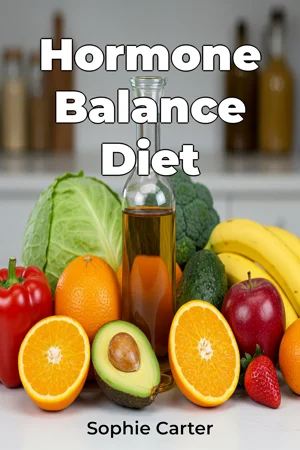
Are you seeking to understand the profound influence of diet on your hormonal balance, and how this interplay impacts the aging process? "Hormone Balance Diet" delves into the intricate connection between what you eat and the cascade of hormonal effects that influence your well-being and longevity. This book explores how specific dietary choices can either support or disrupt hormonal equilibrium, ultimately affecting how gracefully we age. This book focuses on two central topics: the endocrine system's role in aging and the tangible effects of food on hormone regulation. Understanding the endocrine system – the network of glands producing hormones that regulate everything from metabolism to reproduction – is crucial for anyone seeking to optimize their health as they age. Similarly, deciphering how various foods impact hormone levels allows readers to make informed dietary choices that promote balance and combat age-related decline. This knowledge is relevant because, as we age, hormonal imbalances can contribute to various health issues, including weight gain, decreased energy, and increased risk of chronic diseases. "Hormone Balance Diet" argues that a targeted dietary approach, informed by endocrine research and established dietary guidelines, can significantly influence hormonal balance and, consequently, the aging process. This argument is vital because interventions focused on diet offer a non-invasive, accessible path towards improved healthspan and a reduced risk of age-related diseases. The book is structured to provide a comprehensive understanding of this complex interplay. It begins with an introduction to the endocrine system and its key hormones, detailing their functions and how they naturally fluctuate throughout life. The core of the book is devoted to exploring specific food groups and nutrients, examining their impact on hormone production and regulation, drawing upon existing endocrine research and dietary guidelines. Major points include analyzing the effects of macronutrients (proteins, carbohydrates, and fats) on insulin, cortisol, and sex hormones. The book investigates the role of micronutrients (vitamins and minerals) in supporting endocrine function and addressing how processed foods and environmental toxins can disrupt hormonal balance. The book culminates by providing practical dietary strategies and meal plans designed to optimize hormonal health at different stages of life, addressing considerations for both men and women. Specific attention is given to dietary adjustments that can mitigate the hormonal shifts associated with menopause and andropause. The evidence presented relies on a synthesis of existing endocrine research, human clinical trials, and epidemiological studies, offering a balanced review of the established science. Dietary guidelines from reputable organizations, such as the World Health Organization and national health agencies, are referenced to provide context and support for the dietary recommendations. "Hormone Balance Diet" connects to several other fields of study, including nutrition science, gerontology, and preventative medicine. This interdisciplinary approach enhances the book's argument by demonstrating the broad applicability of dietary interventions in promoting health and well-being across various specialties. This book stands out by offering a practical, actionable guide to dietary modifications based on a thorough understanding of endocrinology. Rather than advocating for extreme or fad diets, "Hormone Balance Diet" provides a sustainable, science-backed approach to optimizing hormonal health through informed food choices. The tone of the book is informative and accessible, aimed at educated readers interested in optimizing their health. The targeted readership includes adults of all ages who are interested in understanding the role of nutrition in hormonal balance and healthy aging. The subject matter also appeals to healthcare professionals seeking a practical resource for guiding patients on dietary interventions. As a work in the 'Health Fitness, Science Life Sciences, Biology, Health & Fitness' categories, the book maintains a commitment to scientific accuracy and avoids unsubstantiated claims. All recommendations are grounded in established research or expert consensus. The scope of the book is primarily focused on the dietary influence on hormonal balance and its effect on the aging process. It does not delve extensively into other factors affecting hormonal health, such as genetics or pharmaceutical interventions, but acknowledges their roles. The information presented in "Hormone Balance Diet" can be applied practically through the adoption of informed dietary habits, leading to improved energy levels, weight management, enhanced mood, and a reduced risk of age-related diseases. Although there is broad scientific consensus on the fundamental principles of endocrinology and nutrition, there are ongoing debates regarding the optimal dietary composition for hormonal health. The book addresses these controversies by presenting a balanced perspective and highlighting areas where further research is needed.
Are you seeking to understand the profound influence of diet on your hormonal balance, and how this interplay impacts the aging process? "Hormone Balance Diet" delves into the intricate connection between what you eat and the cascade of hormonal effects that influence your well-being and longevity. This book explores how specific dietary choices can either support or disrupt hormonal equilibrium, ultimately affecting how gracefully we age. This book focuses on two central topics: the endocrine system's role in aging and the tangible effects of food on hormone regulation. Understanding the endocrine system – the network of glands producing hormones that regulate everything from metabolism to reproduction – is crucial for anyone seeking to optimize their health as they age. Similarly, deciphering how various foods impact hormone levels allows readers to make informed dietary choices that promote balance and combat age-related decline. This knowledge is relevant because, as we age, hormonal imbalances can contribute to various health issues, including weight gain, decreased energy, and increased risk of chronic diseases. "Hormone Balance Diet" argues that a targeted dietary approach, informed by endocrine research and established dietary guidelines, can significantly influence hormonal balance and, consequently, the aging process. This argument is vital because interventions focused on diet offer a non-invasive, accessible path towards improved healthspan and a reduced risk of age-related diseases. The book is structured to provide a comprehensive understanding of this complex interplay. It begins with an introduction to the endocrine system and its key hormones, detailing their functions and how they naturally fluctuate throughout life. The core of the book is devoted to exploring specific food groups and nutrients, examining their impact on hormone production and regulation, drawing upon existing endocrine research and dietary guidelines. Major points include analyzing the effects of macronutrients (proteins, carbohydrates, and fats) on insulin, cortisol, and sex hormones. The book investigates the role of micronutrients (vitamins and minerals) in supporting endocrine function and addressing how processed foods and environmental toxins can disrupt hormonal balance. The book culminates by providing practical dietary strategies and meal plans designed to optimize hormonal health at different stages of life, addressing considerations for both men and women. Specific attention is given to dietary adjustments that can mitigate the hormonal shifts associated with menopause and andropause. The evidence presented relies on a synthesis of existing endocrine research, human clinical trials, and epidemiological studies, offering a balanced review of the established science. Dietary guidelines from reputable organizations, such as the World Health Organization and national health agencies, are referenced to provide context and support for the dietary recommendations. "Hormone Balance Diet" connects to several other fields of study, including nutrition science, gerontology, and preventative medicine. This interdisciplinary approach enhances the book's argument by demonstrating the broad applicability of dietary interventions in promoting health and well-being across various specialties. This book stands out by offering a practical, actionable guide to dietary modifications based on a thorough understanding of endocrinology. Rather than advocating for extreme or fad diets, "Hormone Balance Diet" provides a sustainable, science-backed approach to optimizing hormonal health through informed food choices. The tone of the book is informative and accessible, aimed at educated readers interested in optimizing their health. The targeted readership includes adults of all ages who are interested in understanding the role of nutrition in hormonal balance and healthy aging. The subject matter also appeals to healthcare professionals seeking a practical resource for guiding patients on dietary interventions. As a work in the 'Health Fitness, Science Life Sciences, Biology, Health & Fitness' categories, the book maintains a commitment to scientific accuracy and avoids unsubstantiated claims. All recommendations are grounded in established research or expert consensus. The scope of the book is primarily focused on the dietary influence on hormonal balance and its effect on the aging process. It does not delve extensively into other factors affecting hormonal health, such as genetics or pharmaceutical interventions, but acknowledges their roles. The information presented in "Hormone Balance Diet" can be applied practically through the adoption of informed dietary habits, leading to improved energy levels, weight management, enhanced mood, and a reduced risk of age-related diseases. Although there is broad scientific consensus on the fundamental principles of endocrinology and nutrition, there are ongoing debates regarding the optimal dietary composition for hormonal health. The book addresses these controversies by presenting a balanced perspective and highlighting areas where further research is needed.
"Hormone Balance Diet" explores the critical connection between our food choices and hormonal health, emphasizing its impact on the aging process. It reveals how specific dietary habits can either support or disrupt the endocrine system, which governs vital functions from metabolism to reproduction. By understanding how foods affect hormone regulation, readers can make informed decisions to promote balance and combat age-related decline. The book emphasizes the role of the endocrine system and how food directly impacts hormone levels. Did you know that as we age, hormonal imbalances can lead to weight gain, decreased energy, and a higher risk of chronic diseases? The book analyzes macronutrients like proteins, carbohydrates, and fats, alongside micronutrients, to show their influence on hormones like insulin, cortisol, and sex hormones. It also highlights how processed foods and environmental toxins can disrupt hormonal balance. Beginning with an introduction to the endocrine system and its key hormones, the book progresses to explore specific food groups and nutrients. It culminates with practical dietary strategies and meal plans designed to optimize hormonal health, addressing considerations for different life stages and both genders. This approach makes "Hormone Balance Diet" a valuable resource for anyone seeking a sustainable, science-backed path to healthy aging.
Book Details
ISBN
9788233996000
Publisher
Publifye AS
Your Licenses
You don't own any licenses for this book
Purchase a license below to unlock this book and download the EPUB.
Purchase License
Select a tier to unlock this book
Need bulk licensing?
Contact us for enterprise agreements.