
About This Book
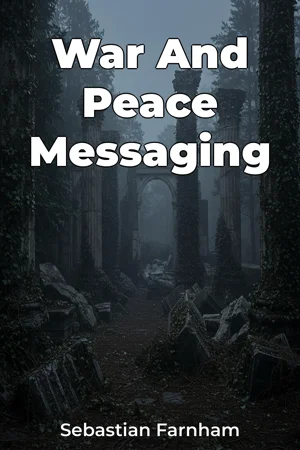
How do nations weaponize words? "War And Peace Messaging" explores the contrasting communication strategies employed by political entities during times of conflict and periods of relative calm, drawing insights from comparative communication studies, political science, and history. This analysis reveals how messaging shifts to serve distinct objectives, influencing public opinion, shaping international relations, and justifying policy decisions. The importance of understanding these strategies lies in their pervasive impact on global politics and the potential for both manipulation and constructive dialogue. This study delves into the historical and social context surrounding the use of propaganda, public diplomacy, and strategic communication. While familiarity with basic political science concepts is helpful, the book provides clear explanations and examples to ensure accessibility for all readers. The central argument asserts that effective state communication isn't merely about conveying information; it's about constructing narratives that legitimize power, mobilize support, and demonize opposition, with methods radically diverging based on the prevailing geopolitical climate. Understanding this duality is critical to critically evaluating the information we receive. The book unfolds in three primary sections. First, it introduces the foundational concepts of political communication, propaganda models, and framing theory. Second, it examines case studies of messaging during conflict and periods of peace. Analyzing wartime communication, the book explores the use of fear appeals, enemy construction, and calls for national unity. In contrast, the analysis of peacetime messaging investigates utilizes public diplomacy, cultural exchange programs, and economic cooperation narratives. Third, it outlines the evolution of these strategies from twentieth-century conflicts to contemporary digital landscapes. This culminates in a discussion of practical implications for policymakers, journalists, and informed citizens who want improved media literacy skills. The evidence presented draws from diverse sources, including government documents, speeches, media archives, and public opinion surveys. Comparative analysis is used to illustrate variations in messaging across different countries and historical periods. The methodology emphasizes identifying recurring patterns and examining the impact of specific communication techniques on audience perceptions. Interdisciplinary connections enrich the analysis. Firstly, connections to psychology, particularly cognitive biases and social influence, illuminate how individuals process and respond to political messaging. Secondly, links to sociological theories of power and social control demonstrate how communication reinforces existing hierarchies. Thirdly, overlaps with international relations theory provide a framework for understanding how communication shapes perceptions of national interest and security. A key feature of this book is its comparative approach, analyzing how similar events are framed differently by various actors. The book also provides a valuable perspective on the ethics of political communication, raising questions about the responsibility of states and media organizations. The tone is academic yet accessible, aiming to inform and engage a broad audience. The intended audience includes students of political science, history, and communication, as well as policymakers, journalists, and anyone interested in understanding the power of political messaging. Given its non-fiction genre, the book emphasizes factual accuracy, objectivity, and clear argumentation. The scope is broad, covering multiple historical periods and geopolitical contexts. However, it primarily focuses on state-level communication, with limited attention to non-state actors. Real-world applications of this knowledge are numerous. Policymakers can use the insights to craft more effective and ethical communication strategies. Journalists can apply a more critical lens to scrutinize political messaging. Citizens can become more discerning consumers of information, better equipped to resist manipulation and engage in informed debate. The book also addresses ongoing debates about the role of social media in amplifying propaganda and the challenges of combating disinformation. By providing a comprehensive overview of messaging strategies, "War And Peace Messaging" offers a valuable resource for navigating the complexities of modern political communication.
How do nations weaponize words? "War And Peace Messaging" explores the contrasting communication strategies employed by political entities during times of conflict and periods of relative calm, drawing insights from comparative communication studies, political science, and history. This analysis reveals how messaging shifts to serve distinct objectives, influencing public opinion, shaping international relations, and justifying policy decisions. The importance of understanding these strategies lies in their pervasive impact on global politics and the potential for both manipulation and constructive dialogue. This study delves into the historical and social context surrounding the use of propaganda, public diplomacy, and strategic communication. While familiarity with basic political science concepts is helpful, the book provides clear explanations and examples to ensure accessibility for all readers. The central argument asserts that effective state communication isn't merely about conveying information; it's about constructing narratives that legitimize power, mobilize support, and demonize opposition, with methods radically diverging based on the prevailing geopolitical climate. Understanding this duality is critical to critically evaluating the information we receive. The book unfolds in three primary sections. First, it introduces the foundational concepts of political communication, propaganda models, and framing theory. Second, it examines case studies of messaging during conflict and periods of peace. Analyzing wartime communication, the book explores the use of fear appeals, enemy construction, and calls for national unity. In contrast, the analysis of peacetime messaging investigates utilizes public diplomacy, cultural exchange programs, and economic cooperation narratives. Third, it outlines the evolution of these strategies from twentieth-century conflicts to contemporary digital landscapes. This culminates in a discussion of practical implications for policymakers, journalists, and informed citizens who want improved media literacy skills. The evidence presented draws from diverse sources, including government documents, speeches, media archives, and public opinion surveys. Comparative analysis is used to illustrate variations in messaging across different countries and historical periods. The methodology emphasizes identifying recurring patterns and examining the impact of specific communication techniques on audience perceptions. Interdisciplinary connections enrich the analysis. Firstly, connections to psychology, particularly cognitive biases and social influence, illuminate how individuals process and respond to political messaging. Secondly, links to sociological theories of power and social control demonstrate how communication reinforces existing hierarchies. Thirdly, overlaps with international relations theory provide a framework for understanding how communication shapes perceptions of national interest and security. A key feature of this book is its comparative approach, analyzing how similar events are framed differently by various actors. The book also provides a valuable perspective on the ethics of political communication, raising questions about the responsibility of states and media organizations. The tone is academic yet accessible, aiming to inform and engage a broad audience. The intended audience includes students of political science, history, and communication, as well as policymakers, journalists, and anyone interested in understanding the power of political messaging. Given its non-fiction genre, the book emphasizes factual accuracy, objectivity, and clear argumentation. The scope is broad, covering multiple historical periods and geopolitical contexts. However, it primarily focuses on state-level communication, with limited attention to non-state actors. Real-world applications of this knowledge are numerous. Policymakers can use the insights to craft more effective and ethical communication strategies. Journalists can apply a more critical lens to scrutinize political messaging. Citizens can become more discerning consumers of information, better equipped to resist manipulation and engage in informed debate. The book also addresses ongoing debates about the role of social media in amplifying propaganda and the challenges of combating disinformation. By providing a comprehensive overview of messaging strategies, "War And Peace Messaging" offers a valuable resource for navigating the complexities of modern political communication.
"War And Peace Messaging" investigates how political entities strategically use communication during conflict and peace. It draws from diverse fields like comparative communication studies, political science, and history. The book reveals that state communication isn't just about conveying information, but about constructing narratives to legitimize power and mobilize support. One intriguing fact explored is how wartime messaging often employs fear appeals and enemy construction, while peacetime messaging utilizes public diplomacy and cultural exchange programs. Understanding these divergent strategies is vital for critically evaluating information in global politics. The book progresses through three main sections, beginning with foundational concepts like propaganda models and framing theory. It then examines case studies of wartime and peacetime messaging, analyzing how these strategies have evolved from 20th-century conflicts to the contemporary digital landscape. By comparing how similar events are framed differently by various actors, the book provides valuable insights into cognitive biases and social influence, enriching media literacy. This comparative approach highlights the ethical considerations in political communication, making it a valuable resource for policymakers, journalists, and informed citizens alike.
Book Details
ISBN
9788233994822
Publisher
Publifye AS
Your Licenses
You don't own any licenses for this book
Purchase a license below to unlock this book and download the EPUB.
Purchase License
Select a tier to unlock this book
Need bulk licensing?
Contact us for enterprise agreements.