
About This Book
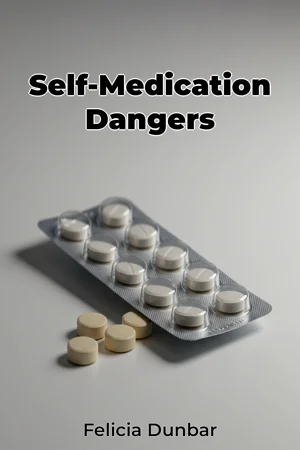
Are you unknowingly putting your health at risk by reaching for over-the-counter medications without proper guidance? "Self-Medication Dangers" investigates the pervasive and often underestimated risks associated with unsupervised self-medication practices, particularly within the context of readily available consumer health information and advisories. This book delves into the complexities of making informed healthcare decisions in an era of widespread access to pharmaceuticals and health-related data, ultimately highlighting the need for greater awareness and responsible self-care. This book tackles three key areas: the prevalence of self-medication, the inherent risks involved, and methods for promoting safer practices. Understanding the factors driving the self-medication trend, such as cost constraints, long wait times for appointments, and perceived convenience, is crucial. Simultaneously, it is vital to acknowledge the potential pitfalls, including misdiagnosis, adverse drug interactions, delayed or inadequate treatment, and the development of antibiotic resistance. By exploring these intertwined aspects, we aim to equip readers with a comprehensive understanding of the self-medication landscape. The foundation of "Self-Medication Dangers" rests on a thorough examination of consumer health surveys, public health advisories, and relevant medical literature. We analyze existing data to quantify the extent of self-medication across diverse populations, identifying patterns and vulnerable groups. Furthermore, we scrutinize the content and effectiveness of current health advisories, evaluating their ability to guide consumers toward safe self-care practices. This book builds its argument on the premise that while self-medication fulfills a need in modern healthcare, its potential dangers necessitate a more informed and cautious approach. The book is structured to guide the reader through a logical progression of ideas. Initially, we scrutinize the motivation behind self-medication, the psychological aspects as well. Next, we delve into the potential dangers, analyzing case studies and research findings that illustrate the adverse consequences of inappropriate self-treatment. These investigations are essential to reveal the serious problems that may occur with unregulated self-medication practices. Following this, we will discuss strategies for safer self-medication, including how to interpret health information, when to seek professional medical advice, and the importance of evidence-based remedies. Finally, the book culminates with practical recommendations for individuals and healthcare providers, outlining steps to promote responsible self-care practices and mitigate the risks associated with unsupervised medication use. "Self-Medication Dangers" draws connections to multiple disciplines, notably pharmacology, public health, and health communication. Understanding the pharmacological properties of commonly self-administered medications is essential for appreciating the potential for adverse interactions. The public health perspective highlights the broader societal impact of self-medication, particularly regarding antibiotic resistance and the spread of infectious diseases. Additionally, insights from health communication inform the design of effective educational materials and strategies for empowering consumers to make informed choices. The book adopts a tone that is both informative and accessible. While grounded in scientific evidence, the presentation is tailored to appeal to a broad readership, including individuals with limited medical knowledge. By avoiding technical jargon and using real-world examples, the book aims to engage readers and promote a deeper understanding of the complexities of self-medication. The primary audience includes general readers interested in their health, healthcare professionals seeking to enhance their understanding of patient behaviors, and policymakers involved in shaping public health initiatives. The scope of "Self-Medication Dangers" focuses primarily on over-the-counter medications and readily available health information. While prescription drug misuse is a significant issue, it falls outside the central focus of this investigation. This is a deliberate choice to facilitate a more in-depth examination of the challenges associated with unsupervised self-treatment within the context of accessible consumer products. The information provided in "Self-Medication Dangers" can be directly applied by readers to improve their self-care practices. By understanding the risks associated with unsupervised medication use, individuals can make more informed decisions about when to seek professional medical advice and how to interpret consumer health information critically. The book also aims to equip healthcare providers with insights into patient behaviors, enabling them to provide more effective guidance and support. The book addresses the ongoing debate surrounding the role of self-medication in modern healthcare. While some argue that it empowers individuals to manage their health and reduces the burden on medical systems, others express concerns about the potential for misuse and adverse consequences. "Self-Medication Dangers" seeks to bridge this divide by acknowledging the benefits of self-care while emphasizing the need for greater awareness and responsible practices.
Are you unknowingly putting your health at risk by reaching for over-the-counter medications without proper guidance? "Self-Medication Dangers" investigates the pervasive and often underestimated risks associated with unsupervised self-medication practices, particularly within the context of readily available consumer health information and advisories. This book delves into the complexities of making informed healthcare decisions in an era of widespread access to pharmaceuticals and health-related data, ultimately highlighting the need for greater awareness and responsible self-care. This book tackles three key areas: the prevalence of self-medication, the inherent risks involved, and methods for promoting safer practices. Understanding the factors driving the self-medication trend, such as cost constraints, long wait times for appointments, and perceived convenience, is crucial. Simultaneously, it is vital to acknowledge the potential pitfalls, including misdiagnosis, adverse drug interactions, delayed or inadequate treatment, and the development of antibiotic resistance. By exploring these intertwined aspects, we aim to equip readers with a comprehensive understanding of the self-medication landscape. The foundation of "Self-Medication Dangers" rests on a thorough examination of consumer health surveys, public health advisories, and relevant medical literature. We analyze existing data to quantify the extent of self-medication across diverse populations, identifying patterns and vulnerable groups. Furthermore, we scrutinize the content and effectiveness of current health advisories, evaluating their ability to guide consumers toward safe self-care practices. This book builds its argument on the premise that while self-medication fulfills a need in modern healthcare, its potential dangers necessitate a more informed and cautious approach. The book is structured to guide the reader through a logical progression of ideas. Initially, we scrutinize the motivation behind self-medication, the psychological aspects as well. Next, we delve into the potential dangers, analyzing case studies and research findings that illustrate the adverse consequences of inappropriate self-treatment. These investigations are essential to reveal the serious problems that may occur with unregulated self-medication practices. Following this, we will discuss strategies for safer self-medication, including how to interpret health information, when to seek professional medical advice, and the importance of evidence-based remedies. Finally, the book culminates with practical recommendations for individuals and healthcare providers, outlining steps to promote responsible self-care practices and mitigate the risks associated with unsupervised medication use. "Self-Medication Dangers" draws connections to multiple disciplines, notably pharmacology, public health, and health communication. Understanding the pharmacological properties of commonly self-administered medications is essential for appreciating the potential for adverse interactions. The public health perspective highlights the broader societal impact of self-medication, particularly regarding antibiotic resistance and the spread of infectious diseases. Additionally, insights from health communication inform the design of effective educational materials and strategies for empowering consumers to make informed choices. The book adopts a tone that is both informative and accessible. While grounded in scientific evidence, the presentation is tailored to appeal to a broad readership, including individuals with limited medical knowledge. By avoiding technical jargon and using real-world examples, the book aims to engage readers and promote a deeper understanding of the complexities of self-medication. The primary audience includes general readers interested in their health, healthcare professionals seeking to enhance their understanding of patient behaviors, and policymakers involved in shaping public health initiatives. The scope of "Self-Medication Dangers" focuses primarily on over-the-counter medications and readily available health information. While prescription drug misuse is a significant issue, it falls outside the central focus of this investigation. This is a deliberate choice to facilitate a more in-depth examination of the challenges associated with unsupervised self-treatment within the context of accessible consumer products. The information provided in "Self-Medication Dangers" can be directly applied by readers to improve their self-care practices. By understanding the risks associated with unsupervised medication use, individuals can make more informed decisions about when to seek professional medical advice and how to interpret consumer health information critically. The book also aims to equip healthcare providers with insights into patient behaviors, enabling them to provide more effective guidance and support. The book addresses the ongoing debate surrounding the role of self-medication in modern healthcare. While some argue that it empowers individuals to manage their health and reduces the burden on medical systems, others express concerns about the potential for misuse and adverse consequences. "Self-Medication Dangers" seeks to bridge this divide by acknowledging the benefits of self-care while emphasizing the need for greater awareness and responsible practices.
"Self-Medication Dangers" explores the widespread practice of treating ailments with over-the-counter medications without professional guidance, a habit that can pose significant health risks. The book reveals how easy access to consumer health information, while intended to empower, can lead to misdiagnosis and adverse drug interactions. For instance, using antibiotics for viral infections contributes to antibiotic resistance, a growing public health concern. Ultimately, it advocates for responsible self-care and informed decision-making. The book progresses logically, beginning by examining the motivations behind self-medication, such as cost and convenience. It then delves into the potential dangers, illustrated by case studies and research findings on unsupervised self-treatment. Finally, it outlines strategies for safer practices, including seeking professional advice when necessary and critically evaluating health information. This unique approach equips readers with the knowledge to navigate the complexities of self-medication safely.
Book Details
ISBN
9788233994693
Publisher
Publifye AS
Your Licenses
You don't own any licenses for this book
Purchase a license below to unlock this book and download the EPUB.
Purchase License
Select a tier to unlock this book
Need bulk licensing?
Contact us for enterprise agreements.