
About This Book
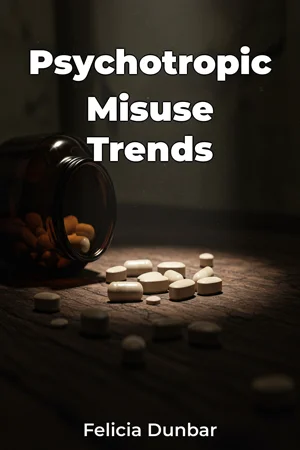
Are we unknowingly fueling a silent epidemic by casually misusing psychotropic medications? This book, "Psychotropic Misuse Trends," delves into the escalating trends in the misuse of these powerful drugs and their profound, often underestimated, impact on mental health. We will explore the complex interplay between prescribed use, recreational abuse, and the self-medication phenomenon, examining the emerging psychiatric research that sheds light on the intricate consequences of these behaviors. This book addresses three key areas: the patterns of psychotropic drug misuse across various demographics, the neuropsychological impact of this misuse on mental well-being, and the evolving landscape of psychiatric research aimed at understanding and mitigating these effects. These topics are significant because the misuse of psychotropic medications can exacerbate existing mental health conditions, induce new psychiatric disorders, and create significant public health challenges, including increased emergency room visits and overdose fatalities. Understanding these trends is vital for healthcare professionals, policymakers, and individuals alike. To provide context, this book will explore the history of psychotropic drug development and prescription practices, examining how societal attitudes and access to medications have evolved over time. A basic understanding of neurochemistry and the mechanisms of action of different classes of psychotropic drugs (antidepressants, antipsychotics, anxiolytics, and stimulants) is helpful, and the book provides accessible explanations of these concepts. The central argument of "Psychotropic Misuse Trends" is that the increasing misuse of psychotropic drugs, driven by factors such as misinformation, self-diagnosis, and inadequate monitoring, is significantly contributing to a decline in overall mental health, necessitating urgent attention and revised strategies for prevention and intervention. This argument is crucial because it calls for a paradigm shift in how we approach mental healthcare, emphasizing responsible prescribing practices, comprehensive patient education, and readily accessible support systems. The book is structured as follows: First, it introduces the fundamental concepts of psychotropic medications, their intended uses, and the definitions of misuse and abuse. Second, it examines current trends in psychotropic drug misuse, drawing on epidemiological data from national surveys, hospital records, and addiction treatment centers. Third, it explores the specific mental health consequences associated with the misuse of each major class of psychotropic drugs, including the development of tolerance, dependence, withdrawal symptoms, and drug-induced psychiatric disorders. Fourth, the culmination of the argument arrives where the book proposes evidence-based strategies for preventing and addressing psychotropic drug misuse, including improved prescribing guidelines, public awareness campaigns, and integrated mental health and addiction treatment programs. Finally, the book closes with a discussion of the practical applications of these strategies across different settings, from clinical practice to community-based interventions. The evidence presented in this book draws upon a wide range of sources, including peer-reviewed journal articles, government reports, and data from major psychiatric research institutions. Studies involving neuroimaging techniques, such as fMRI and PET scans, provide valuable insights into the effects of psychotropic drug misuse on brain function. Clinical trials evaluating the efficacy of different treatment approaches are examined. "Psychotropic Misuse Trends" connects to several other fields: pharmacology (understanding drug actions), sociology (examining social factors contributing to misuse), and public health (developing prevention strategies). These connections strengthen the book's argument by providing a comprehensive understanding of the multifaceted nature of psychotropic drug misuse. A unique aspect of this book is its focus on emerging psychiatric research, incorporating findings from cutting-edge studies that are reshaping our understanding of the impact of psychotropic drugs on the brain and behavior. It synthesizes complex data into accessible information for a broad audience. The tone of the book is both academic and accessible, striving to present complex information in a clear and engaging manner. While maintaining scientific rigor, the book avoids overly technical jargon, making it accessible to readers with varying levels of scientific knowledge. The target audience includes healthcare professionals (psychiatrists, physicians, nurses, pharmacists), mental health advocates, policymakers, educators, and anyone interested in understanding the complexities of psychotropic drug misuse and its impact on mental health. This book would be valuable to them by providing a comprehensive overview of the issue, evidence-based solutions, and practical guidance for addressing this growing problem. As a work in the genres of Medical General and Psychology, this book adheres to the standards of accuracy, objectivity, and evidence-based reasoning. It avoids sensationalism and presents information in a balanced and unbiased manner. The scope of the book is intentionally limited to the misuse of prescribed psychotropic drugs. It does not cover the misuse of illicit substances or the management of severe mental illness when medications are appropriately used. The information in this book can be applied practically to improve prescribing practices, develop more effective prevention programs, and provide better care for individuals struggling with psychotropic drug misuse. This book addresses controversies surrounding the over-prescription of psychotropic medications, the potential for pharmaceutical industry influence on prescribing practices, and the ethical considerations involved in the use of these drugs. By acknowledging these debates, the book provides a nuanced and balanced perspective on the complex issues surrounding psychotropic drug misuse and mental health.
Are we unknowingly fueling a silent epidemic by casually misusing psychotropic medications? This book, "Psychotropic Misuse Trends," delves into the escalating trends in the misuse of these powerful drugs and their profound, often underestimated, impact on mental health. We will explore the complex interplay between prescribed use, recreational abuse, and the self-medication phenomenon, examining the emerging psychiatric research that sheds light on the intricate consequences of these behaviors. This book addresses three key areas: the patterns of psychotropic drug misuse across various demographics, the neuropsychological impact of this misuse on mental well-being, and the evolving landscape of psychiatric research aimed at understanding and mitigating these effects. These topics are significant because the misuse of psychotropic medications can exacerbate existing mental health conditions, induce new psychiatric disorders, and create significant public health challenges, including increased emergency room visits and overdose fatalities. Understanding these trends is vital for healthcare professionals, policymakers, and individuals alike. To provide context, this book will explore the history of psychotropic drug development and prescription practices, examining how societal attitudes and access to medications have evolved over time. A basic understanding of neurochemistry and the mechanisms of action of different classes of psychotropic drugs (antidepressants, antipsychotics, anxiolytics, and stimulants) is helpful, and the book provides accessible explanations of these concepts. The central argument of "Psychotropic Misuse Trends" is that the increasing misuse of psychotropic drugs, driven by factors such as misinformation, self-diagnosis, and inadequate monitoring, is significantly contributing to a decline in overall mental health, necessitating urgent attention and revised strategies for prevention and intervention. This argument is crucial because it calls for a paradigm shift in how we approach mental healthcare, emphasizing responsible prescribing practices, comprehensive patient education, and readily accessible support systems. The book is structured as follows: First, it introduces the fundamental concepts of psychotropic medications, their intended uses, and the definitions of misuse and abuse. Second, it examines current trends in psychotropic drug misuse, drawing on epidemiological data from national surveys, hospital records, and addiction treatment centers. Third, it explores the specific mental health consequences associated with the misuse of each major class of psychotropic drugs, including the development of tolerance, dependence, withdrawal symptoms, and drug-induced psychiatric disorders. Fourth, the culmination of the argument arrives where the book proposes evidence-based strategies for preventing and addressing psychotropic drug misuse, including improved prescribing guidelines, public awareness campaigns, and integrated mental health and addiction treatment programs. Finally, the book closes with a discussion of the practical applications of these strategies across different settings, from clinical practice to community-based interventions. The evidence presented in this book draws upon a wide range of sources, including peer-reviewed journal articles, government reports, and data from major psychiatric research institutions. Studies involving neuroimaging techniques, such as fMRI and PET scans, provide valuable insights into the effects of psychotropic drug misuse on brain function. Clinical trials evaluating the efficacy of different treatment approaches are examined. "Psychotropic Misuse Trends" connects to several other fields: pharmacology (understanding drug actions), sociology (examining social factors contributing to misuse), and public health (developing prevention strategies). These connections strengthen the book's argument by providing a comprehensive understanding of the multifaceted nature of psychotropic drug misuse. A unique aspect of this book is its focus on emerging psychiatric research, incorporating findings from cutting-edge studies that are reshaping our understanding of the impact of psychotropic drugs on the brain and behavior. It synthesizes complex data into accessible information for a broad audience. The tone of the book is both academic and accessible, striving to present complex information in a clear and engaging manner. While maintaining scientific rigor, the book avoids overly technical jargon, making it accessible to readers with varying levels of scientific knowledge. The target audience includes healthcare professionals (psychiatrists, physicians, nurses, pharmacists), mental health advocates, policymakers, educators, and anyone interested in understanding the complexities of psychotropic drug misuse and its impact on mental health. This book would be valuable to them by providing a comprehensive overview of the issue, evidence-based solutions, and practical guidance for addressing this growing problem. As a work in the genres of Medical General and Psychology, this book adheres to the standards of accuracy, objectivity, and evidence-based reasoning. It avoids sensationalism and presents information in a balanced and unbiased manner. The scope of the book is intentionally limited to the misuse of prescribed psychotropic drugs. It does not cover the misuse of illicit substances or the management of severe mental illness when medications are appropriately used. The information in this book can be applied practically to improve prescribing practices, develop more effective prevention programs, and provide better care for individuals struggling with psychotropic drug misuse. This book addresses controversies surrounding the over-prescription of psychotropic medications, the potential for pharmaceutical industry influence on prescribing practices, and the ethical considerations involved in the use of these drugs. By acknowledging these debates, the book provides a nuanced and balanced perspective on the complex issues surrounding psychotropic drug misuse and mental health.
"Psychotropic Misuse Trends" investigates the increasing misuse of psychotropic medications and its significant impact on mental health. It explores how prescribed use, recreational abuse, and self-medication contribute to this growing issue. Notably, the book highlights emerging psychiatric research illustrating the complex consequences, such as exacerbating existing mental health conditions or inducing new disorders. It also emphasizes how factors like misinformation and inadequate monitoring drive this misuse, necessitating urgent attention. The book approaches this topic by first defining key concepts related to psychotropic medications and misuse. It then proceeds to examine current trends using data from national surveys and treatment centers. Subsequent chapters delve into the specific mental health consequences linked to each class of psychotropic drug, such as antidepressants and anxiolytics, including tolerance and withdrawal symptoms. The analysis culminates in proposing evidence-based prevention strategies, such as improved prescribing guidelines and public awareness campaigns, offering practical applications for diverse settings.
Book Details
ISBN
9788233994655
Publisher
Publifye AS
Your Licenses
You don't own any licenses for this book
Purchase a license below to unlock this book and download the EPUB.
Purchase License
Select a tier to unlock this book
Need bulk licensing?
Contact us for enterprise agreements.