
About This Book
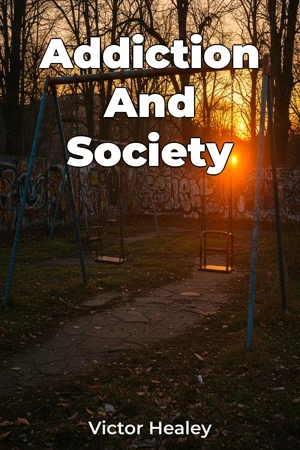
How does the insidious grip of addiction reshape the very fabric of our communities and strain the vital resources meant to support them? "Addiction and Society" delves into this critical question, offering a comprehensive sociological analysis of drug addiction's profound impact on community dynamics and the allocation of public resources. This book examines the multifaceted ways in which addiction influences social structures, economic stability, and the overall well-being of society. This book explores three crucial themes: the disruption of social cohesion, the economic burden on public services, and the ethical considerations surrounding addiction treatment and prevention. These themes are essential because they highlight the far-reaching consequences of addiction, extending beyond the individual to affect families, neighborhoods, and entire communities. To fully understand these impacts, the book provides a background on the evolving understanding of addiction, tracing its historical perception from a moral failing to a recognized public health crisis. It also introduces the reader to key sociological theories that underpin the analysis, such as social disorganization theory, strain theory, and labeling theory. The central argument posits that drug addiction is not merely an individual problem but a complex social issue intricately linked to structural inequalities, resource scarcity, and community breakdown. This argument challenges conventional approaches that focus solely on individual treatment, advocating for comprehensive, community-based solutions that address the root causes of addiction. "Addiction and Society" is structured to provide a logical and in-depth exploration of this complex issue. It begins by defining addiction from a sociological perspective, distinguishing it from purely medical or psychological viewpoints. The book then dedicates chapters to examining the impact of addiction on family structures, the role of social networks in both fostering and combating addiction, and the ways in which addiction contributes to crime and violence. A significant portion of the book is devoted to analyzing the economic costs of addiction, including healthcare expenses, law enforcement expenditures, and lost productivity. Finally, the book explores various approaches to prevention and treatment, evaluating their effectiveness from a sociological standpoint and proposing evidence-based strategies for community intervention. The arguments presented are supported by a wealth of sociological research, including quantitative data from national surveys, qualitative insights from ethnographic studies, and case studies of communities grappling with addiction. It also draws upon data from public health organizations and government agencies to provide a comprehensive and data-driven analysis. This book connects to several interdisciplinary fields, including public health, criminology, and economics. Its insights into the social determinants of health are relevant to public health professionals, while its analysis of addiction's link to crime is crucial for criminologists. The economic analysis of addiction's costs is also valuable for policymakers and economists. "Addiction and Society" offers a unique perspective by integrating sociological theory with empirical data to provide a nuanced understanding of addiction's social consequences. It moves beyond simplistic explanations to explore the complex interplay of factors that contribute to addiction and its impact on communities. The book adopts an academic yet accessible writing style, aiming to engage both scholars and general readers interested in understanding the social dimensions of addiction. The target audience includes students and researchers in sociology, public health, and criminology, as well as policymakers, social workers, and community leaders involved in addressing addiction. This book is valuable to them because it provides a comprehensive and evidence-based framework for understanding and addressing the social challenges posed by drug addiction. As a work in social science, this book adheres to principles of objectivity, rigor, and ethical research practices. It acknowledges the limitations of existing research and identifies areas for future study. The scope of "Addiction and Society" is broad, encompassing various substances of abuse and their impact on diverse communities. However, it focuses primarily on the social and economic consequences of addiction, rather than delving into the specific medical or psychological aspects of individual addiction. The information presented in this book can be applied practically by community leaders seeking to develop effective prevention and treatment programs, policymakers aiming to allocate resources strategically, and social workers working directly with individuals and families affected by addiction. The book addresses ongoing debates in the field, such as the relative importance of individual choice versus social determinants in addiction, and the effectiveness of different approaches to prevention and treatment. By presenting a balanced and evidence-based perspective, "Addiction and Society" aims to contribute to a more informed and productive dialogue about this critical social issue.
How does the insidious grip of addiction reshape the very fabric of our communities and strain the vital resources meant to support them? "Addiction and Society" delves into this critical question, offering a comprehensive sociological analysis of drug addiction's profound impact on community dynamics and the allocation of public resources. This book examines the multifaceted ways in which addiction influences social structures, economic stability, and the overall well-being of society. This book explores three crucial themes: the disruption of social cohesion, the economic burden on public services, and the ethical considerations surrounding addiction treatment and prevention. These themes are essential because they highlight the far-reaching consequences of addiction, extending beyond the individual to affect families, neighborhoods, and entire communities. To fully understand these impacts, the book provides a background on the evolving understanding of addiction, tracing its historical perception from a moral failing to a recognized public health crisis. It also introduces the reader to key sociological theories that underpin the analysis, such as social disorganization theory, strain theory, and labeling theory. The central argument posits that drug addiction is not merely an individual problem but a complex social issue intricately linked to structural inequalities, resource scarcity, and community breakdown. This argument challenges conventional approaches that focus solely on individual treatment, advocating for comprehensive, community-based solutions that address the root causes of addiction. "Addiction and Society" is structured to provide a logical and in-depth exploration of this complex issue. It begins by defining addiction from a sociological perspective, distinguishing it from purely medical or psychological viewpoints. The book then dedicates chapters to examining the impact of addiction on family structures, the role of social networks in both fostering and combating addiction, and the ways in which addiction contributes to crime and violence. A significant portion of the book is devoted to analyzing the economic costs of addiction, including healthcare expenses, law enforcement expenditures, and lost productivity. Finally, the book explores various approaches to prevention and treatment, evaluating their effectiveness from a sociological standpoint and proposing evidence-based strategies for community intervention. The arguments presented are supported by a wealth of sociological research, including quantitative data from national surveys, qualitative insights from ethnographic studies, and case studies of communities grappling with addiction. It also draws upon data from public health organizations and government agencies to provide a comprehensive and data-driven analysis. This book connects to several interdisciplinary fields, including public health, criminology, and economics. Its insights into the social determinants of health are relevant to public health professionals, while its analysis of addiction's link to crime is crucial for criminologists. The economic analysis of addiction's costs is also valuable for policymakers and economists. "Addiction and Society" offers a unique perspective by integrating sociological theory with empirical data to provide a nuanced understanding of addiction's social consequences. It moves beyond simplistic explanations to explore the complex interplay of factors that contribute to addiction and its impact on communities. The book adopts an academic yet accessible writing style, aiming to engage both scholars and general readers interested in understanding the social dimensions of addiction. The target audience includes students and researchers in sociology, public health, and criminology, as well as policymakers, social workers, and community leaders involved in addressing addiction. This book is valuable to them because it provides a comprehensive and evidence-based framework for understanding and addressing the social challenges posed by drug addiction. As a work in social science, this book adheres to principles of objectivity, rigor, and ethical research practices. It acknowledges the limitations of existing research and identifies areas for future study. The scope of "Addiction and Society" is broad, encompassing various substances of abuse and their impact on diverse communities. However, it focuses primarily on the social and economic consequences of addiction, rather than delving into the specific medical or psychological aspects of individual addiction. The information presented in this book can be applied practically by community leaders seeking to develop effective prevention and treatment programs, policymakers aiming to allocate resources strategically, and social workers working directly with individuals and families affected by addiction. The book addresses ongoing debates in the field, such as the relative importance of individual choice versus social determinants in addiction, and the effectiveness of different approaches to prevention and treatment. By presenting a balanced and evidence-based perspective, "Addiction and Society" aims to contribute to a more informed and productive dialogue about this critical social issue.
"Addiction and Society" examines the wide-ranging effects of drug addiction on communities and the resources meant to support them. It highlights how addiction disrupts social cohesion, burdens public services, and raises ethical questions about treatment and prevention. The book argues that addiction is not just an individual struggle but a complex social issue deeply rooted in inequality and community breakdown. For example, the economic impact includes healthcare costs, law enforcement expenditures, and lost productivity, all of which strain public resources. The book provides a sociological analysis of addiction's impact on families, social networks, and its connection to crime and violence. It uses sociological theories to understand the social determinants of drug addiction, moving beyond individual-focused approaches. Supported by research, including national surveys and ethnographic studies, the book advocates for comprehensive, community-based solutions. The book unfolds logically, starting with a sociological definition of addiction and progressing through impacts on social structures before concluding with prevention and treatment strategies. A key strength of "Addiction and Society" lies in its integration of sociological theory with empirical data, offering a nuanced perspective on addiction's social consequences. It aims to engage scholars, public health professionals, and community leaders, providing a framework for understanding and addressing the social challenges posed by drug addiction.
Book Details
ISBN
9788233994587
Publisher
Publifye AS
Your Licenses
You don't own any licenses for this book
Purchase a license below to unlock this book and download the EPUB.
Purchase License
Select a tier to unlock this book
Need bulk licensing?
Contact us for enterprise agreements.