
About This Book
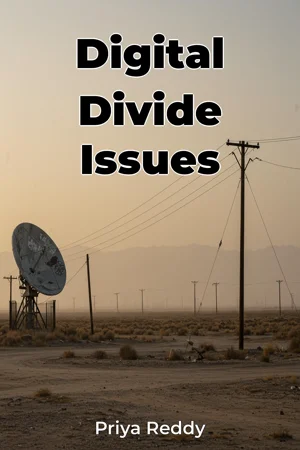
In an era defined by digital transformation, why do so many individuals and communities remain excluded from the opportunities technology affords? "Digital Divide Issues" delves into the persistent inequities in digital access that profoundly affect economic advancement, educational attainment, and social participation. This book examines the multifaceted nature of the digital divide, moving beyond simple measures of internet access to explore the complex interplay of affordability, digital literacy, and relevant content. The central argument of this book is that the digital divide is not merely a technological issue but a symptom of deeper socioeconomic inequalities. Bridging this divide requires a holistic approach that addresses the root causes of disparity and empowers marginalized communities to fully participate in the digital economy. The book begins by contextualizing the digital divide within historical trends of technology adoption and economic development. It then introduces key concepts such as digital literacy, broadband infrastructure, and the digital economy. We will investigate how these concepts intersect to create both opportunities and barriers for different populations. The core of the book is divided into three major sections. First, we analyze the socio-economic factors that contribute to the digital divide, examining income inequality, educational disparities, and geographic limitations. We will use quantitative data from tech adoption surveys and economic reports to illustrate the disparities in access and usage across different demographic groups. Second, we explore the social and cultural dimensions of the digital divide, focusing on the impact of digital exclusion on social capital, civic engagement, and cultural identity. This section incorporates qualitative research, including case studies and community-based participatory research, to highlight the lived experiences of those affected by the digital divide. Third, we assess various policy interventions and community-led initiatives aimed at bridging the digital divide. This includes an analysis of government programs, non-profit organizations, and private sector initiatives designed to expand access, improve digital literacy, and promote relevant content creation. The evidence presented in this book draws from a variety of sources, including national and international surveys on technology adoption, economic reports from organizations like the World Bank and the OECD, and academic research in the fields of communication, sociology, and economics. We also incorporate original data collected through community-based research projects, providing a nuanced understanding of the challenges and opportunities faced by marginalized communities. This book connects to several interdisciplinary fields. The first is economics, as lack of access to digital resources limits economic opportunity. The second is education, as digital literacy is crucial for academic success and lifelong learning. The third is sociology, as digital exclusion can exacerbate social inequalities and marginalization. A unique aspect of this book is its focus on the intersectionality of the digital divide, recognizing that individuals may face multiple barriers to access based on their race, ethnicity, gender, disability, and other social identities. The tone of this book is academic but accessible, aimed at engaging a broad audience of students, researchers, policymakers, and community advocates. The writing style is clear and concise, with an emphasis on presenting complex information in an understandable manner. The primary audience for this book includes students and researchers in fields such as communication, sociology, economics, education, and public policy. It is also relevant to policymakers, community advocates, and anyone interested in understanding and addressing the digital divide. As a work in the genre of social science and technology, this book adheres to the conventions of rigorous research, evidence-based analysis, and clear communication of findings. The scope of this book is broad, covering a wide range of issues related to the digital divide. However, it is limited by its focus on the United States and other developed countries, with less attention given to the specific challenges faced by developing nations. Ultimately, this book offers practical insights and recommendations for bridging the digital divide and creating a more equitable and inclusive digital future. It can inform policy decisions, guide community-based initiatives, and empower individuals to advocate for digital equity. The book also addresses ongoing debates about the role of government versus the private sector in addressing the digital divide, the effectiveness of different policy interventions, and the ethical implications of emerging technologies. These critical issues require careful consideration to ensure that efforts to bridge the digital divide are equitable and sustainable.
In an era defined by digital transformation, why do so many individuals and communities remain excluded from the opportunities technology affords? "Digital Divide Issues" delves into the persistent inequities in digital access that profoundly affect economic advancement, educational attainment, and social participation. This book examines the multifaceted nature of the digital divide, moving beyond simple measures of internet access to explore the complex interplay of affordability, digital literacy, and relevant content. The central argument of this book is that the digital divide is not merely a technological issue but a symptom of deeper socioeconomic inequalities. Bridging this divide requires a holistic approach that addresses the root causes of disparity and empowers marginalized communities to fully participate in the digital economy. The book begins by contextualizing the digital divide within historical trends of technology adoption and economic development. It then introduces key concepts such as digital literacy, broadband infrastructure, and the digital economy. We will investigate how these concepts intersect to create both opportunities and barriers for different populations. The core of the book is divided into three major sections. First, we analyze the socio-economic factors that contribute to the digital divide, examining income inequality, educational disparities, and geographic limitations. We will use quantitative data from tech adoption surveys and economic reports to illustrate the disparities in access and usage across different demographic groups. Second, we explore the social and cultural dimensions of the digital divide, focusing on the impact of digital exclusion on social capital, civic engagement, and cultural identity. This section incorporates qualitative research, including case studies and community-based participatory research, to highlight the lived experiences of those affected by the digital divide. Third, we assess various policy interventions and community-led initiatives aimed at bridging the digital divide. This includes an analysis of government programs, non-profit organizations, and private sector initiatives designed to expand access, improve digital literacy, and promote relevant content creation. The evidence presented in this book draws from a variety of sources, including national and international surveys on technology adoption, economic reports from organizations like the World Bank and the OECD, and academic research in the fields of communication, sociology, and economics. We also incorporate original data collected through community-based research projects, providing a nuanced understanding of the challenges and opportunities faced by marginalized communities. This book connects to several interdisciplinary fields. The first is economics, as lack of access to digital resources limits economic opportunity. The second is education, as digital literacy is crucial for academic success and lifelong learning. The third is sociology, as digital exclusion can exacerbate social inequalities and marginalization. A unique aspect of this book is its focus on the intersectionality of the digital divide, recognizing that individuals may face multiple barriers to access based on their race, ethnicity, gender, disability, and other social identities. The tone of this book is academic but accessible, aimed at engaging a broad audience of students, researchers, policymakers, and community advocates. The writing style is clear and concise, with an emphasis on presenting complex information in an understandable manner. The primary audience for this book includes students and researchers in fields such as communication, sociology, economics, education, and public policy. It is also relevant to policymakers, community advocates, and anyone interested in understanding and addressing the digital divide. As a work in the genre of social science and technology, this book adheres to the conventions of rigorous research, evidence-based analysis, and clear communication of findings. The scope of this book is broad, covering a wide range of issues related to the digital divide. However, it is limited by its focus on the United States and other developed countries, with less attention given to the specific challenges faced by developing nations. Ultimately, this book offers practical insights and recommendations for bridging the digital divide and creating a more equitable and inclusive digital future. It can inform policy decisions, guide community-based initiatives, and empower individuals to advocate for digital equity. The book also addresses ongoing debates about the role of government versus the private sector in addressing the digital divide, the effectiveness of different policy interventions, and the ethical implications of emerging technologies. These critical issues require careful consideration to ensure that efforts to bridge the digital divide are equitable and sustainable.
"Digital Divide Issues" explores the persistent gap in technology access and its far-reaching consequences on economic advancement, education, and social participation. The book argues that the digital divide is more than a technological problem; it's a reflection of deeper socioeconomic inequalities. Intriguingly, the book highlights that lack of digital access limits economic opportunity and exacerbates social marginalization, showing how critical digital equity is for contemporary society. The book takes a holistic approach, examining socioeconomic factors like income inequality and educational disparities, as well as social and cultural dimensions impacting civic engagement and cultural identity. It analyzes policy interventions and community-led initiatives aimed at bridging the divide. The book presents quantitative data from tech adoption surveys and qualitative research, including case studies, to illustrate the lived experiences of marginalized communities. Unique in its focus, the book emphasizes the intersectionality of the digital divide, acknowledging that individuals face multiple barriers based on race, gender, and other social identities. It progresses through chapters by first contextualizing the divide historically, then analyzing contributing factors, and finally assessing policy interventions to offer practical insights for creating a more equitable digital future.
Book Details
ISBN
9788233994426
Publisher
Publifye AS
Your Licenses
You don't own any licenses for this book
Purchase a license below to unlock this book and download the EPUB.
Purchase License
Select a tier to unlock this book
Need bulk licensing?
Contact us for enterprise agreements.