
About This Book
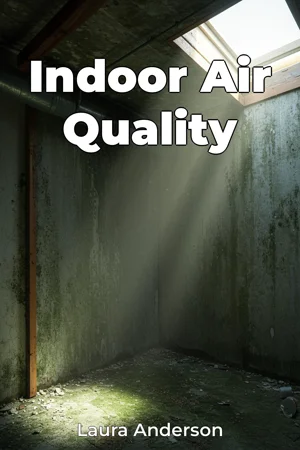
Are you aware that the air inside your home or office could be making you sick? "Indoor Air Quality" delves into the often-overlooked world of indoor pollutants and their significant impact on human health, specifically focusing on the triggers for asthma and allergies. This book examines the sources, effects, and potential solutions related to indoor air contamination, drawing from basic environmental studies and cutting-edge research. The primary focus of this book lies in understanding two critical categories of indoor pollutants: mold and volatile organic compounds (VOCs). Mold, a common fungal growth in damp environments, releases spores that can cause respiratory problems and allergic reactions. VOCs, emitted from a wide array of household products and building materials, contribute to a complex mixture of airborne chemicals that can irritate the eyes, nose, and throat as well as potentially cause long term health problems. Understanding the origins and health implications of these pollutants is crucial for creating healthier indoor environments. "Indoor Air Quality" provides a comprehensive exploration of the subject, built upon established scientific principles and recent environmental health studies. The book’s central argument emphasizes the critical need for increased awareness and proactive measures to mitigate indoor air pollution. The book will explain how indoor environments, often perceived as safe havens, can actually harbor significant health risks. The book is structured to guide readers through a clear and logical progression of knowledge. It begins with an introduction to the basic principles of air quality and pollutant behavior. The book then dedicates chapters to the in-depth analysis of mold and VOCs, detailing their sources, chemical properties, and health effects. Following this is an exploration of the interplay between these pollutants and the human body, focusing on respiratory and allergic responses. The book culminates in a discussion of practical strategies for improving indoor air quality, including preventative measures, remediation techniques, and technological solutions (such as air purifiers). The evidence presented in "Indoor Air Quality" is built upon a diverse collection of sources, including peer-reviewed scientific studies, governmental reports from organizations like the EPA and WHO, and case studies of real-world scenarios. Additionally, the book references findings from environmental monitoring programs and public health surveys, creating a robust foundation of support for its claims. This book connects significantly to several other fields, enriching its argument. It draws from the fields of environmental science, public health, and building science, allowing for a multifaceted understanding of indoor air quality. The integration of these perspectives underscores the complex nature of the problem and the need for collaborative solutions. "Indoor Air Quality" adopts a practical and accessible tone, providing detailed information without being overly technical. This approach makes the book suitable for homeowners, renters, building managers, healthcare professionals, and anyone interested in understanding and improving their indoor environment. The scope of the book is intentionally limited to the most common and impactful indoor pollutants, allowing for a focused and in-depth analysis. While it does not delve into every conceivable indoor contaminant, it provides a solid understanding of the core issues and empowers readers to take informed action. The information presented in this book has numerous real-world applications. Readers will learn how to identify potential sources of indoor pollution, assess their own indoor air quality, implement effective remediation strategies, and make informed decisions about products and materials that contribute to a healthier indoor environment. By applying this knowledge, readers can create healthier homes, workplaces, and schools, ultimately improving their overall well-being. "Indoor Air Quality" acknowledges the ongoing debates surrounding the setting of safe exposure levels for various indoor pollutants. The book presents different perspectives on these debates while advocating for a precautionary approach, emphasizing the importance of minimizing exposure to potentially harmful substances whenever possible.
Are you aware that the air inside your home or office could be making you sick? "Indoor Air Quality" delves into the often-overlooked world of indoor pollutants and their significant impact on human health, specifically focusing on the triggers for asthma and allergies. This book examines the sources, effects, and potential solutions related to indoor air contamination, drawing from basic environmental studies and cutting-edge research. The primary focus of this book lies in understanding two critical categories of indoor pollutants: mold and volatile organic compounds (VOCs). Mold, a common fungal growth in damp environments, releases spores that can cause respiratory problems and allergic reactions. VOCs, emitted from a wide array of household products and building materials, contribute to a complex mixture of airborne chemicals that can irritate the eyes, nose, and throat as well as potentially cause long term health problems. Understanding the origins and health implications of these pollutants is crucial for creating healthier indoor environments. "Indoor Air Quality" provides a comprehensive exploration of the subject, built upon established scientific principles and recent environmental health studies. The book’s central argument emphasizes the critical need for increased awareness and proactive measures to mitigate indoor air pollution. The book will explain how indoor environments, often perceived as safe havens, can actually harbor significant health risks. The book is structured to guide readers through a clear and logical progression of knowledge. It begins with an introduction to the basic principles of air quality and pollutant behavior. The book then dedicates chapters to the in-depth analysis of mold and VOCs, detailing their sources, chemical properties, and health effects. Following this is an exploration of the interplay between these pollutants and the human body, focusing on respiratory and allergic responses. The book culminates in a discussion of practical strategies for improving indoor air quality, including preventative measures, remediation techniques, and technological solutions (such as air purifiers). The evidence presented in "Indoor Air Quality" is built upon a diverse collection of sources, including peer-reviewed scientific studies, governmental reports from organizations like the EPA and WHO, and case studies of real-world scenarios. Additionally, the book references findings from environmental monitoring programs and public health surveys, creating a robust foundation of support for its claims. This book connects significantly to several other fields, enriching its argument. It draws from the fields of environmental science, public health, and building science, allowing for a multifaceted understanding of indoor air quality. The integration of these perspectives underscores the complex nature of the problem and the need for collaborative solutions. "Indoor Air Quality" adopts a practical and accessible tone, providing detailed information without being overly technical. This approach makes the book suitable for homeowners, renters, building managers, healthcare professionals, and anyone interested in understanding and improving their indoor environment. The scope of the book is intentionally limited to the most common and impactful indoor pollutants, allowing for a focused and in-depth analysis. While it does not delve into every conceivable indoor contaminant, it provides a solid understanding of the core issues and empowers readers to take informed action. The information presented in this book has numerous real-world applications. Readers will learn how to identify potential sources of indoor pollution, assess their own indoor air quality, implement effective remediation strategies, and make informed decisions about products and materials that contribute to a healthier indoor environment. By applying this knowledge, readers can create healthier homes, workplaces, and schools, ultimately improving their overall well-being. "Indoor Air Quality" acknowledges the ongoing debates surrounding the setting of safe exposure levels for various indoor pollutants. The book presents different perspectives on these debates while advocating for a precautionary approach, emphasizing the importance of minimizing exposure to potentially harmful substances whenever possible.
"Indoor Air Quality" reveals the hidden dangers lurking within our homes and offices, focusing on the significant impact of indoor air pollution on environmental health. While we often consider indoor spaces safe, they can harbor potent asthma triggers and allergy triggers. The book highlights that common culprits like mold, thriving in damp environments, and volatile organic compounds (VOCs), emitted from everyday products, can severely affect our well-being. VOCs, for example, released from household items, contribute to a complex mix of airborne chemicals, potentially causing both immediate irritation and long-term health issues. This book progresses logically, first introducing the principles of air quality before dedicating sections to mold and VOCs, detailing their sources, chemical properties, and health effects. It then explores the interplay between these pollutants and the human body, focusing on respiratory and allergic responses. Finally, it discusses practical strategies for improving indoor air quality, including preventative measures and technological solutions. By drawing from environmental science, public health, and building science, this book empowers readers to identify risks, implement effective remediation, and make informed decisions for healthier indoor environments.
Book Details
ISBN
9788233993436
Publisher
Publifye AS
Your Licenses
You don't own any licenses for this book
Purchase a license below to unlock this book and download the EPUB.
Purchase License
Select a tier to unlock this book
Need bulk licensing?
Contact us for enterprise agreements.