
About This Book
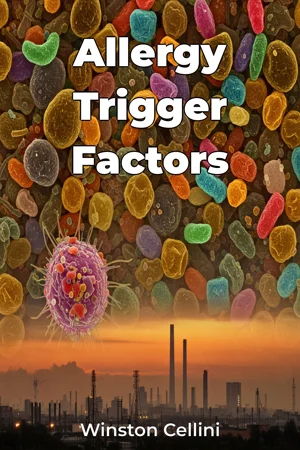
Are allergies an unavoidable consequence of modern life, or are there identifiable triggers we can understand and potentially mitigate? "Allergy Trigger Factors" delves into the complex interplay of environmental, dietary, and medical exposures that contribute to the rising prevalence of allergic diseases. This book explores the multifaceted nature of allergic reactions, examining the impact of environmental pollutants, food additives, and, cautiously, vaccine side effects, all within the framework of immunological principles and public health considerations. A central thesis of this book is that while genetic predisposition plays a role, the dramatic increase in allergic diseases cannot be solely attributed to inherited factors. Instead, a significant portion of the rise is due to modifiable environmental exposures and lifestyle choices. Understanding these factors is crucial for both individual prevention strategies and public health interventions. We begin by establishing a solid foundation in immunology, explaining the mechanisms behind type I hypersensitivity reactions – the root of most common allergies. This includes clear explanations of IgE antibody production, mast cell activation, and the role of various cytokines and inflammatory mediators. No prior knowledge of immunology is presumed; we build from the basics. The book is structured into three primary sections. First, we dissect the role of environmental pollutants, such as particulate matter, ozone, and volatile organic compounds (VOCs). We analyze how these pollutants can act as adjuvants, enhancing the immune system's response to allergens, and examine epidemiological studies linking air quality to allergic sensitization and asthma exacerbations. Second, we investigate the impact of food additives, including artificial sweeteners, preservatives, and colorings. We explore the evidence suggesting that these additives can disrupt the gut microbiome, alter intestinal permeability, and promote systemic inflammation, all of which can increase the risk of food allergies and intolerances. Third, we address the sensitive topic of vaccine side effects. While vaccines are undeniably a cornerstone of public health, we acknowledge the very rare adverse events that can occur, including allergic reactions to vaccine components. This section adopts a balanced approach, scrutinizing the scientific literature on vaccine safety while emphasizing the overwhelming benefits of vaccination in preventing infectious diseases. This book will never endorse anti-vaccine positions. Throughout the book, we draw upon epidemiological studies, clinical trials, and laboratory research to support our arguments. We critically evaluate the strengths and limitations of each study, providing readers with a nuanced understanding of the available evidence. This book also identifies connections to other fields, such as toxicology, nutrition, and environmental science. By integrating insights from these disciplines, we offer a more holistic perspective on the factors that trigger allergic reactions. "Allergy Trigger Factors" is written in an accessible and engaging style, making it suitable for a wide audience, including healthcare professionals, researchers, policymakers, and individuals with allergies or those concerned about preventing allergic diseases. While firmly grounded in scientific evidence, the book avoids overly technical jargon and presents information in a clear and concise manner. The book's scope is deliberately broad, encompassing a wide range of potential allergy triggers. However, we acknowledge that it is impossible to cover every aspect of allergic disease in a single volume. Therefore, we focus on the most common and well-studied factors, while also highlighting areas where further research is needed. Ultimately, "Allergy Trigger Factors" aims to empower readers with the knowledge they need to make informed decisions about their health and the health of their families. By understanding the factors that trigger allergic reactions, individuals can take steps to reduce their exposure to these triggers and potentially prevent the development of allergic diseases. Although individual results vary, the aim is to provide an actionable framework for understanding and addressing the complex issue of allergy triggers, ultimately providing the public and practitioners with the tools to develop individualized strategies to improve health and well-being. This book will contribute to public health by providing the latest research findings, and bridging the gap between basic science and practical application.
Are allergies an unavoidable consequence of modern life, or are there identifiable triggers we can understand and potentially mitigate? "Allergy Trigger Factors" delves into the complex interplay of environmental, dietary, and medical exposures that contribute to the rising prevalence of allergic diseases. This book explores the multifaceted nature of allergic reactions, examining the impact of environmental pollutants, food additives, and, cautiously, vaccine side effects, all within the framework of immunological principles and public health considerations. A central thesis of this book is that while genetic predisposition plays a role, the dramatic increase in allergic diseases cannot be solely attributed to inherited factors. Instead, a significant portion of the rise is due to modifiable environmental exposures and lifestyle choices. Understanding these factors is crucial for both individual prevention strategies and public health interventions. We begin by establishing a solid foundation in immunology, explaining the mechanisms behind type I hypersensitivity reactions – the root of most common allergies. This includes clear explanations of IgE antibody production, mast cell activation, and the role of various cytokines and inflammatory mediators. No prior knowledge of immunology is presumed; we build from the basics. The book is structured into three primary sections. First, we dissect the role of environmental pollutants, such as particulate matter, ozone, and volatile organic compounds (VOCs). We analyze how these pollutants can act as adjuvants, enhancing the immune system's response to allergens, and examine epidemiological studies linking air quality to allergic sensitization and asthma exacerbations. Second, we investigate the impact of food additives, including artificial sweeteners, preservatives, and colorings. We explore the evidence suggesting that these additives can disrupt the gut microbiome, alter intestinal permeability, and promote systemic inflammation, all of which can increase the risk of food allergies and intolerances. Third, we address the sensitive topic of vaccine side effects. While vaccines are undeniably a cornerstone of public health, we acknowledge the very rare adverse events that can occur, including allergic reactions to vaccine components. This section adopts a balanced approach, scrutinizing the scientific literature on vaccine safety while emphasizing the overwhelming benefits of vaccination in preventing infectious diseases. This book will never endorse anti-vaccine positions. Throughout the book, we draw upon epidemiological studies, clinical trials, and laboratory research to support our arguments. We critically evaluate the strengths and limitations of each study, providing readers with a nuanced understanding of the available evidence. This book also identifies connections to other fields, such as toxicology, nutrition, and environmental science. By integrating insights from these disciplines, we offer a more holistic perspective on the factors that trigger allergic reactions. "Allergy Trigger Factors" is written in an accessible and engaging style, making it suitable for a wide audience, including healthcare professionals, researchers, policymakers, and individuals with allergies or those concerned about preventing allergic diseases. While firmly grounded in scientific evidence, the book avoids overly technical jargon and presents information in a clear and concise manner. The book's scope is deliberately broad, encompassing a wide range of potential allergy triggers. However, we acknowledge that it is impossible to cover every aspect of allergic disease in a single volume. Therefore, we focus on the most common and well-studied factors, while also highlighting areas where further research is needed. Ultimately, "Allergy Trigger Factors" aims to empower readers with the knowledge they need to make informed decisions about their health and the health of their families. By understanding the factors that trigger allergic reactions, individuals can take steps to reduce their exposure to these triggers and potentially prevent the development of allergic diseases. Although individual results vary, the aim is to provide an actionable framework for understanding and addressing the complex issue of allergy triggers, ultimately providing the public and practitioners with the tools to develop individualized strategies to improve health and well-being. This book will contribute to public health by providing the latest research findings, and bridging the gap between basic science and practical application.
"Allergy Trigger Factors" explores the escalating rates of allergic diseases, arguing that environmental and lifestyle factors, not just genetics, play a crucial role. It investigates how modern exposures, like environmental pollutants and food additives, impact our immune systems, leading to increased sensitivities. The book emphasizes the importance of understanding Type I hypersensitivity, the mechanism behind many allergies, including the roles of IgE antibodies and mast cell activation. The book is divided into three sections, the first of which examines how pollutants like particulate matter and VOCs can act as adjuvants, amplifying allergic responses. The second section investigates the impact of food additives on the gut microbiome and intestinal permeability, potentially increasing the risk of food allergies. The third section addresses the sensitive topic of vaccine side effects, carefully scrutinizing the scientific literature while affirming the overwhelming benefits of vaccination. By integrating insights from immunology, toxicology, and public health, the book aims to provide a holistic understanding of allergy triggers and their prevention. This book provides an actionable framework for understanding and addressing the complex issue of allergy triggers, offering a comprehensive yet accessible overview of the factors contributing to allergic diseases. It is designed for healthcare professionals, researchers, policymakers, and anyone interested in preventing or managing allergies. This book bridges the gap between basic science and practical application, empowering readers with the knowledge to make informed decisions about their health.
Book Details
ISBN
9788233993320
Publisher
Publifye AS
Your Licenses
You don't own any licenses for this book
Purchase a license below to unlock this book and download the EPUB.
Purchase License
Select a tier to unlock this book
Need bulk licensing?
Contact us for enterprise agreements.