
About This Book
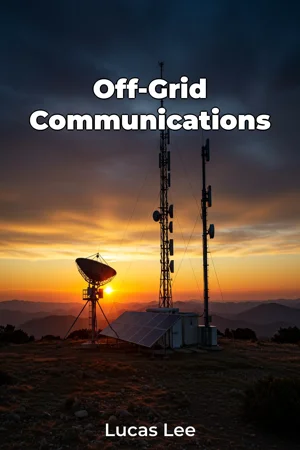
In an increasingly interconnected world, are we truly prepared for the consequences of a complete communication breakdown? 'Off-Grid Communications' delves into the vital realm of independent communication systems and emergency contact methods, exploring how to maintain connectivity when conventional networks fail. This book addresses the critical need for resilient communication strategies in an era defined by technological vulnerabilities, natural disasters, and evolving security threats. The core of this exploration lies in understanding three fundamental areas: the limitations of existing telecommunications infrastructure, the potential of alternative communication technologies, and the practical implementation of off-grid solutions. We examine the fragility of centralized networks, highlighting their susceptibility to widespread outages caused by cyberattacks, infrastructure failures, and large-scale emergencies. We then introduce a range of decentralized communication options, including long-range radio, satellite communication systems, mesh networks, and even low-tech methods like signaling and physical couriers. Finally, we provide a framework for creating personalized communication plans tailored to specific needs and scenarios, emphasizing the importance of redundancy, security, and user training. This book builds upon decades of research in telecommunications, emergency management, and disaster preparedness. We draw from case studies of real-world communication breakdowns during hurricanes, earthquakes, and other crises, analyzing how these failures impacted response efforts and community resilience. Furthermore, we examine the historical evolution of communication technologies, from early telegraph systems to modern satellite networks, to gain a deeper understanding of their vulnerabilities and potential for adaptation. Our central argument is that off-grid communication capabilities are no longer a luxury, but a fundamental necessity for individuals, organizations, and communities seeking to enhance their preparedness and resilience. We advocate for a proactive approach to communication planning, emphasizing the importance of investing in redundant systems, developing robust protocols, and training individuals in their effective use. The book is structured in three parts. The first part introduces the fundamental concepts of off-grid communication, outlining the limitations of traditional networks and exploring the principles of decentralized communication. The second part dives into specific technologies and methods, providing detailed explanations, practical examples, and comparative analyses of their strengths and weaknesses. This section covers topics such as HF/VHF/UHF radio systems, satellite phones, mesh networks, personal emergency locator beacons (PLBs), and even analog methods like morse code and visual signaling. The third part focuses on practical implementation, offering guidance on creating personalized communication plans, selecting appropriate equipment, establishing secure networks, and conducting training exercises. The culmination of this book offers a comprehensive guide to maintaining communication in the face of adversity, empowering readers to become more self-reliant and resilient in an increasingly uncertain world. The evidence presented relies on a combination of technical specifications, field tests, case studies, and expert interviews. We analyze performance data for various communication technologies under simulated emergency conditions, assessing their range, bandwidth, power consumption, and reliability. We also incorporate firsthand accounts from emergency responders, disaster survivors, and communication specialists, providing valuable qualitative insights into the real-world challenges of off-grid communication. 'Off-Grid Communications' bridges the gap between technology, emergency preparedness, and social resilience. It connects to fields such as cybersecurity (addressing vulnerabilities in communication systems), sociology (analyzing the impact of communication breakdowns on social cohesion), and environmental science (examining the role of communication in disaster response). This book offers a unique perspective by combining technical expertise with a practical, user-centered approach. It avoids overly technical jargon and focuses on providing actionable information that can be readily applied by readers with varying levels of technical knowledge. This book is written in a professional yet accessible style, balancing technical accuracy with clear and concise explanations. It is aimed at a broad audience, including emergency responders, preparedness enthusiasts, technology professionals, and anyone seeking to enhance their communication resilience. This information would be valuable in a variety of contexts, from individual emergency preparedness to organizational business continuity planning. The scope of this book is limited to civilian applications of off-grid communication technologies. While we acknowledge the military and government uses of these technologies, our focus remains on empowering individuals and communities to enhance their self-reliance and resilience. The information contained within can be applied to real-world scenarios such as disaster relief efforts, wilderness expeditions , and remote area operations. It provides readers with the knowledge and tools they need to establish and maintain communication in any environment, regardless of the availability of traditional networks. 'Off-Grid Communications' contributes to the ongoing debate about the balance between centralized and decentralized communication systems. It challenges the assumption that traditional networks are inherently reliable and advocates for a more diversified and resilient approach to communication infrastructure.
In an increasingly interconnected world, are we truly prepared for the consequences of a complete communication breakdown? 'Off-Grid Communications' delves into the vital realm of independent communication systems and emergency contact methods, exploring how to maintain connectivity when conventional networks fail. This book addresses the critical need for resilient communication strategies in an era defined by technological vulnerabilities, natural disasters, and evolving security threats. The core of this exploration lies in understanding three fundamental areas: the limitations of existing telecommunications infrastructure, the potential of alternative communication technologies, and the practical implementation of off-grid solutions. We examine the fragility of centralized networks, highlighting their susceptibility to widespread outages caused by cyberattacks, infrastructure failures, and large-scale emergencies. We then introduce a range of decentralized communication options, including long-range radio, satellite communication systems, mesh networks, and even low-tech methods like signaling and physical couriers. Finally, we provide a framework for creating personalized communication plans tailored to specific needs and scenarios, emphasizing the importance of redundancy, security, and user training. This book builds upon decades of research in telecommunications, emergency management, and disaster preparedness. We draw from case studies of real-world communication breakdowns during hurricanes, earthquakes, and other crises, analyzing how these failures impacted response efforts and community resilience. Furthermore, we examine the historical evolution of communication technologies, from early telegraph systems to modern satellite networks, to gain a deeper understanding of their vulnerabilities and potential for adaptation. Our central argument is that off-grid communication capabilities are no longer a luxury, but a fundamental necessity for individuals, organizations, and communities seeking to enhance their preparedness and resilience. We advocate for a proactive approach to communication planning, emphasizing the importance of investing in redundant systems, developing robust protocols, and training individuals in their effective use. The book is structured in three parts. The first part introduces the fundamental concepts of off-grid communication, outlining the limitations of traditional networks and exploring the principles of decentralized communication. The second part dives into specific technologies and methods, providing detailed explanations, practical examples, and comparative analyses of their strengths and weaknesses. This section covers topics such as HF/VHF/UHF radio systems, satellite phones, mesh networks, personal emergency locator beacons (PLBs), and even analog methods like morse code and visual signaling. The third part focuses on practical implementation, offering guidance on creating personalized communication plans, selecting appropriate equipment, establishing secure networks, and conducting training exercises. The culmination of this book offers a comprehensive guide to maintaining communication in the face of adversity, empowering readers to become more self-reliant and resilient in an increasingly uncertain world. The evidence presented relies on a combination of technical specifications, field tests, case studies, and expert interviews. We analyze performance data for various communication technologies under simulated emergency conditions, assessing their range, bandwidth, power consumption, and reliability. We also incorporate firsthand accounts from emergency responders, disaster survivors, and communication specialists, providing valuable qualitative insights into the real-world challenges of off-grid communication. 'Off-Grid Communications' bridges the gap between technology, emergency preparedness, and social resilience. It connects to fields such as cybersecurity (addressing vulnerabilities in communication systems), sociology (analyzing the impact of communication breakdowns on social cohesion), and environmental science (examining the role of communication in disaster response). This book offers a unique perspective by combining technical expertise with a practical, user-centered approach. It avoids overly technical jargon and focuses on providing actionable information that can be readily applied by readers with varying levels of technical knowledge. This book is written in a professional yet accessible style, balancing technical accuracy with clear and concise explanations. It is aimed at a broad audience, including emergency responders, preparedness enthusiasts, technology professionals, and anyone seeking to enhance their communication resilience. This information would be valuable in a variety of contexts, from individual emergency preparedness to organizational business continuity planning. The scope of this book is limited to civilian applications of off-grid communication technologies. While we acknowledge the military and government uses of these technologies, our focus remains on empowering individuals and communities to enhance their self-reliance and resilience. The information contained within can be applied to real-world scenarios such as disaster relief efforts, wilderness expeditions , and remote area operations. It provides readers with the knowledge and tools they need to establish and maintain communication in any environment, regardless of the availability of traditional networks. 'Off-Grid Communications' contributes to the ongoing debate about the balance between centralized and decentralized communication systems. It challenges the assumption that traditional networks are inherently reliable and advocates for a more diversified and resilient approach to communication infrastructure.
In an increasingly interconnected world, "Off-Grid Communications" addresses a critical need: maintaining communication when conventional networks fail. The book explores independent communication systems and emergency contact methods, highlighting the fragility of centralized networks susceptible to cyberattacks and natural disasters. It introduces alternative technologies like long-range radio and satellite systems, emphasizing the importance of redundant systems and decentralized communication for enhanced resilience. Did you know that even low-tech methods like signaling and physical couriers can play a vital role in emergency communication? This book uniquely bridges technology, emergency preparedness, and social resilience, offering actionable information for readers of all technical levels. It progresses by first outlining the limitations of traditional networks and principles of decentralized communication. Then, it dives into specific technologies with practical examples. Finally, it guides readers in creating personalized communication plans, establishing secure networks, and conducting training exercises. By combining technical expertise with a user-centered approach, it empowers individuals and communities to become more self-reliant in an uncertain world.
Book Details
ISBN
9788233993047
Publisher
Publifye AS
Your Licenses
You don't own any licenses for this book
Purchase a license below to unlock this book and download the EPUB.
Purchase License
Select a tier to unlock this book
Need bulk licensing?
Contact us for enterprise agreements.