
About This Book
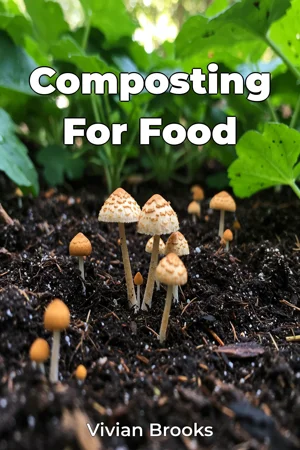
Can a deeper understanding of composting unlock new potentials for sustainable food production? "Composting For Food" delves into the biochemical processes underlying efficient composting methods and their direct impact on nutrient cycling to enhance food production systems. This book addresses the critical need for sustainable agricultural practices in an era of increasing environmental concerns and food security challenges. This book primarily focuses on two key areas: the science of composting, examining effective methods and the biochemical reactions involved, and secondly, the role of compost in promoting nutrient cycling within agricultural ecosystems. Understanding these aspects is crucial for developing strategies that minimize waste, improve soil health, and increase crop yields sustainably. We will explore the complex interactions between microorganisms, organic matter, and environmental conditions that drive the composting process, providing a comprehensive overview of the factors influencing compost quality and nutrient availability. The book builds upon decades of research in soil science, microbiology, and biochemistry to provide a current perspective on composting practices. It explores the historical development of composting techniques, from traditional methods to modern industrial processes, highlighting the advancements in our understanding of the underlying science. While a basic understanding of biology and chemistry will be beneficial, the book is structured to be accessible to readers with varying levels of scientific knowledge. The central argument of "Composting For Food" is that by applying biochemical principles to optimize composting processes, we can significantly improve nutrient cycling, reduce reliance on synthetic fertilizers, and enhance the sustainability of food production systems. This argument is vital because it offers a pathway towards more resilient and environmentally friendly agriculture, addressing pressing issues such as soil degradation, water pollution, and greenhouse gas emissions. The book proceeds in a logical sequence: First, we introduce the fundamental concepts of composting, including the biochemical reactions involved and the types of microorganisms that drive decomposition. Second, we delve into specific composting methods, analyzing their efficiency in terms of nutrient retention, pathogen reduction, and greenhouse gas emissions, covering both small-scale home composting and large-scale industrial operations. Third, we examine the impact of compost on soil health, focusing on its ability to improve soil structure, water retention, and nutrient availability, and its effects on the soil microbiome. Finally, we evaluate the practical applications of compost in various agricultural systems, including crop production, horticulture, and organic farming, offering case studies and best practices for maximizing the benefits of compost in food production. The claims made in the book are supported by a comprehensive review of scientific literature, including peer-reviewed research articles, government reports, and industry data. We present data from controlled experiments, field trials, and meta-analyses to demonstrate the effects of different composting methods on soil health, crop yields, and environmental outcomes. Furthermore, we incorporate original data from our own research, providing a unique perspective on the biochemical processes underlying composting and nutrient cycling. This book connects to several fields, including environmental science (assessing compost’s role in waste management and pollution reduction), agricultural science (enhancing crop production and soil health), and environmental engineering (designing efficient composting systems). These interdisciplinary connections highlight the broad relevance of composting as a sustainable solution to various environmental and agricultural challenges. A distinctive feature of this book is its emphasis on the biochemical processes underlying composting, providing a deeper understanding of the factors influencing compost quality and nutrient availability. This biochemical focus differentiates it from other books on composting that primarily focus on practical techniques. The tone of the book is informative and analytical, presenting complex scientific concepts in a clear and accessible manner. The writing style is precise and evidence-based, drawing upon scientific literature and data to support its claims. The primary target audience includes agricultural scientists, environmental scientists, students in related fields, farmers, gardeners, and anyone interested in sustainable agriculture and waste management. This book is valuable to them because it provides a comprehensive and up-to-date overview of the science and practice of composting, offering practical insights and evidence-based recommendations for improving food production systems. As a work of scientific non-fiction, it upholds the highest standards of accuracy, objectivity, and transparency, providing a balanced and unbiased presentation of information. The book aims to provide a comprehensive overview of composting for food production, focusing on the key biochemical processes and practical applications. However, it does not delve into the specific economic aspects of composting operations or the regulatory frameworks governing composting practices in different regions, as these are beyond the scope of this work. Readers will learn how to implement efficient composting systems, optimize nutrient cycling, and improve soil health, leading to increased crop yields, reduced reliance on synthetic fertilizers, and enhanced environmental sustainability. The book addresses certain controversies in the field, such as the debate over the use of specific additives in composting and their impact on compost quality, presenting a balanced perspective based on scientific evidence.
Can a deeper understanding of composting unlock new potentials for sustainable food production? "Composting For Food" delves into the biochemical processes underlying efficient composting methods and their direct impact on nutrient cycling to enhance food production systems. This book addresses the critical need for sustainable agricultural practices in an era of increasing environmental concerns and food security challenges. This book primarily focuses on two key areas: the science of composting, examining effective methods and the biochemical reactions involved, and secondly, the role of compost in promoting nutrient cycling within agricultural ecosystems. Understanding these aspects is crucial for developing strategies that minimize waste, improve soil health, and increase crop yields sustainably. We will explore the complex interactions between microorganisms, organic matter, and environmental conditions that drive the composting process, providing a comprehensive overview of the factors influencing compost quality and nutrient availability. The book builds upon decades of research in soil science, microbiology, and biochemistry to provide a current perspective on composting practices. It explores the historical development of composting techniques, from traditional methods to modern industrial processes, highlighting the advancements in our understanding of the underlying science. While a basic understanding of biology and chemistry will be beneficial, the book is structured to be accessible to readers with varying levels of scientific knowledge. The central argument of "Composting For Food" is that by applying biochemical principles to optimize composting processes, we can significantly improve nutrient cycling, reduce reliance on synthetic fertilizers, and enhance the sustainability of food production systems. This argument is vital because it offers a pathway towards more resilient and environmentally friendly agriculture, addressing pressing issues such as soil degradation, water pollution, and greenhouse gas emissions. The book proceeds in a logical sequence: First, we introduce the fundamental concepts of composting, including the biochemical reactions involved and the types of microorganisms that drive decomposition. Second, we delve into specific composting methods, analyzing their efficiency in terms of nutrient retention, pathogen reduction, and greenhouse gas emissions, covering both small-scale home composting and large-scale industrial operations. Third, we examine the impact of compost on soil health, focusing on its ability to improve soil structure, water retention, and nutrient availability, and its effects on the soil microbiome. Finally, we evaluate the practical applications of compost in various agricultural systems, including crop production, horticulture, and organic farming, offering case studies and best practices for maximizing the benefits of compost in food production. The claims made in the book are supported by a comprehensive review of scientific literature, including peer-reviewed research articles, government reports, and industry data. We present data from controlled experiments, field trials, and meta-analyses to demonstrate the effects of different composting methods on soil health, crop yields, and environmental outcomes. Furthermore, we incorporate original data from our own research, providing a unique perspective on the biochemical processes underlying composting and nutrient cycling. This book connects to several fields, including environmental science (assessing compost’s role in waste management and pollution reduction), agricultural science (enhancing crop production and soil health), and environmental engineering (designing efficient composting systems). These interdisciplinary connections highlight the broad relevance of composting as a sustainable solution to various environmental and agricultural challenges. A distinctive feature of this book is its emphasis on the biochemical processes underlying composting, providing a deeper understanding of the factors influencing compost quality and nutrient availability. This biochemical focus differentiates it from other books on composting that primarily focus on practical techniques. The tone of the book is informative and analytical, presenting complex scientific concepts in a clear and accessible manner. The writing style is precise and evidence-based, drawing upon scientific literature and data to support its claims. The primary target audience includes agricultural scientists, environmental scientists, students in related fields, farmers, gardeners, and anyone interested in sustainable agriculture and waste management. This book is valuable to them because it provides a comprehensive and up-to-date overview of the science and practice of composting, offering practical insights and evidence-based recommendations for improving food production systems. As a work of scientific non-fiction, it upholds the highest standards of accuracy, objectivity, and transparency, providing a balanced and unbiased presentation of information. The book aims to provide a comprehensive overview of composting for food production, focusing on the key biochemical processes and practical applications. However, it does not delve into the specific economic aspects of composting operations or the regulatory frameworks governing composting practices in different regions, as these are beyond the scope of this work. Readers will learn how to implement efficient composting systems, optimize nutrient cycling, and improve soil health, leading to increased crop yields, reduced reliance on synthetic fertilizers, and enhanced environmental sustainability. The book addresses certain controversies in the field, such as the debate over the use of specific additives in composting and their impact on compost quality, presenting a balanced perspective based on scientific evidence.
"Composting For Food" explores how understanding composting's biochemical processes can revolutionize sustainable food production. It addresses the urgent need for eco-friendly agricultural practices, emphasizing waste reduction and improved soil health. The book highlights the crucial role of nutrient cycling, revealing how optimized composting can minimize reliance on synthetic fertilizers and enhance crop yields. Did you know that effective composting not only enriches the soil but also supports a thriving soil microbiome, vital for plant health? The book provides a detailed look at both small-scale and large-scale composting methods, evaluating their efficiency in nutrient retention and environmental impact. It delves into the intricate interactions between microorganisms, organic matter, and environmental conditions, offering a comprehensive understanding of compost quality. By applying biochemical principles, "Composting For Food" argues for a pathway towards resilient and environmentally friendly agriculture, addressing critical issues such as soil degradation and greenhouse gas emissions. Progressing from fundamental concepts to practical applications, the book examines the impact of compost on soil structure, water retention, and nutrient availability. Case studies and best practices demonstrate how to maximize the benefits of compost in various agricultural systems, including organic farming. This scientific approach, focusing on the science of composting, distinguishes it from other books that primarily cover practical techniques, making it a valuable resource for anyone interested in sustainable agriculture and waste management.
Book Details
ISBN
9788233992996
Publisher
Publifye AS
Your Licenses
You don't own any licenses for this book
Purchase a license below to unlock this book and download the EPUB.
Purchase License
Select a tier to unlock this book
Need bulk licensing?
Contact us for enterprise agreements.