
About This Book
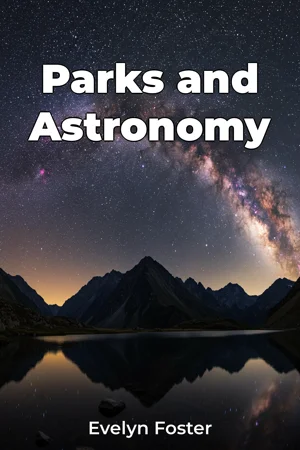
Have you ever wondered where the vast expanse of the night sky meets the tangible beauty of our national parks? "Parks and Astronomy" explores this intersection, offering a guide to experiencing the cosmos within some of the most protected and awe-inspiring landscapes in the United States. This book unveils the secrets of optimal stargazing locations, rare cosmic phenomena visible within park boundaries, and the ongoing efforts to preserve dark skies for future generations. The significance of this lies in the increasing encroachment of light pollution, threatening not only our view of the stars but also impacting nocturnal ecosystems. Understanding the confluence of astronomy and conservation is crucial for fostering a deeper appreciation for both the celestial and terrestrial environments. Furthermore, connecting with the cosmos in a natural setting provides an opportunity for profound personal reflection. The book begins by providing essential background on the science of astronomy and the principles of dark sky conservation. Readers will be introduced to key celestial concepts like constellations, nebulae, and planetary movements, along with a discussion on the impact of artificial light on astronomical observation and wildlife. This section also highlights historical perspectives on humanity's relationship with the night sky. The central argument of "Parks and Astronomy" is that national parks offer unparalleled opportunities to connect with the universe while simultaneously emphasizing the importance of preserving these dark sky sanctuaries. The book advocates for a holistic approach, combining scientific knowledge, practical guidance, and an appreciation for the natural world. The book is structured in three parts. The first part introduces core astronomical concepts and the principles of light pollution mitigation. The second part details specific national parks renowned for their dark skies, offering practical tips for observing celestial events and navigating each park effectively. Each park profile includes information on optimal viewing locations, seasonal events, and local astronomy programs. The third part discusses the ongoing efforts to preserve dark skies within national parks and encourages readers to become advocates for dark sky conservation in their own communities. This culminates in actionable steps individuals can take to reduce light pollution and support dark sky initiatives. The evidence presented throughout the book comes from a variety of sources, including astronomical surveys, park service data on light pollution levels, interviews with park rangers and astronomers, and personal observations gathered during visits to numerous national parks. Unique data sources include light pollution maps generated from satellite imagery and citizen-science projects monitoring sky brightness. "Parks and Astronomy" connects to several interdisciplinary fields including environmental science, history, and tourism. The environmental science aspect highlights the ecological impact of light pollution. The historical component explores the cultural significance of astronomy across different civilizations. The tourism aspect provides practical guidance for travelers seeking dark sky experiences. This book stands out by combining scientific rigor with practical travel advice and a strong conservation message. Unlike purely astronomical guides, it focuses specifically on the unique intersection of national parks and the night sky. It presents a comprehensive perspective, blending scientific data, personal anecdotes, and actionable strategies for preserving dark skies. The tone is informative yet accessible, balancing scientific explanations with engaging storytelling. The target audience includes amateur astronomers, nature enthusiasts, travelers seeking unique experiences, and anyone interested in learning more about the night sky and the importance of dark sky conservation. This book offers valuable insights for anyone who appreciates the beauty of the cosmos and seeks to protect our natural resources. As a work of science and travel, this book adheres to the genres' expectations of accuracy, clarity, and practical advice. It blends scientific information with engaging narratives and specific recommendations for enjoying and preserving dark sky locations. The book’s scope is limited to national parks, monuments and preserves within the continental United States, though methodologies discussed could be applied to other locales. It does not delve into advanced astrophysics but provides sufficient information for laypersons to understand the discussed phenomena. Readers can apply the information in this book to plan stargazing trips, reduce light pollution in their own communities, and advocate for dark sky preservation. The book discusses ongoing debates about the most effective strategies for reducing light pollution and balancing development with environmental protection. It also addresses controversies surrounding the use of artificial light in national parks and the impact on visitor experiences.
Have you ever wondered where the vast expanse of the night sky meets the tangible beauty of our national parks? "Parks and Astronomy" explores this intersection, offering a guide to experiencing the cosmos within some of the most protected and awe-inspiring landscapes in the United States. This book unveils the secrets of optimal stargazing locations, rare cosmic phenomena visible within park boundaries, and the ongoing efforts to preserve dark skies for future generations. The significance of this lies in the increasing encroachment of light pollution, threatening not only our view of the stars but also impacting nocturnal ecosystems. Understanding the confluence of astronomy and conservation is crucial for fostering a deeper appreciation for both the celestial and terrestrial environments. Furthermore, connecting with the cosmos in a natural setting provides an opportunity for profound personal reflection. The book begins by providing essential background on the science of astronomy and the principles of dark sky conservation. Readers will be introduced to key celestial concepts like constellations, nebulae, and planetary movements, along with a discussion on the impact of artificial light on astronomical observation and wildlife. This section also highlights historical perspectives on humanity's relationship with the night sky. The central argument of "Parks and Astronomy" is that national parks offer unparalleled opportunities to connect with the universe while simultaneously emphasizing the importance of preserving these dark sky sanctuaries. The book advocates for a holistic approach, combining scientific knowledge, practical guidance, and an appreciation for the natural world. The book is structured in three parts. The first part introduces core astronomical concepts and the principles of light pollution mitigation. The second part details specific national parks renowned for their dark skies, offering practical tips for observing celestial events and navigating each park effectively. Each park profile includes information on optimal viewing locations, seasonal events, and local astronomy programs. The third part discusses the ongoing efforts to preserve dark skies within national parks and encourages readers to become advocates for dark sky conservation in their own communities. This culminates in actionable steps individuals can take to reduce light pollution and support dark sky initiatives. The evidence presented throughout the book comes from a variety of sources, including astronomical surveys, park service data on light pollution levels, interviews with park rangers and astronomers, and personal observations gathered during visits to numerous national parks. Unique data sources include light pollution maps generated from satellite imagery and citizen-science projects monitoring sky brightness. "Parks and Astronomy" connects to several interdisciplinary fields including environmental science, history, and tourism. The environmental science aspect highlights the ecological impact of light pollution. The historical component explores the cultural significance of astronomy across different civilizations. The tourism aspect provides practical guidance for travelers seeking dark sky experiences. This book stands out by combining scientific rigor with practical travel advice and a strong conservation message. Unlike purely astronomical guides, it focuses specifically on the unique intersection of national parks and the night sky. It presents a comprehensive perspective, blending scientific data, personal anecdotes, and actionable strategies for preserving dark skies. The tone is informative yet accessible, balancing scientific explanations with engaging storytelling. The target audience includes amateur astronomers, nature enthusiasts, travelers seeking unique experiences, and anyone interested in learning more about the night sky and the importance of dark sky conservation. This book offers valuable insights for anyone who appreciates the beauty of the cosmos and seeks to protect our natural resources. As a work of science and travel, this book adheres to the genres' expectations of accuracy, clarity, and practical advice. It blends scientific information with engaging narratives and specific recommendations for enjoying and preserving dark sky locations. The book’s scope is limited to national parks, monuments and preserves within the continental United States, though methodologies discussed could be applied to other locales. It does not delve into advanced astrophysics but provides sufficient information for laypersons to understand the discussed phenomena. Readers can apply the information in this book to plan stargazing trips, reduce light pollution in their own communities, and advocate for dark sky preservation. The book discusses ongoing debates about the most effective strategies for reducing light pollution and balancing development with environmental protection. It also addresses controversies surrounding the use of artificial light in national parks and the impact on visitor experiences.
"Parks and Astronomy" illuminates the captivating connection between America's national parks and the wonders of the night sky. It serves as both a travel guide and a scientific exploration, revealing prime stargazing locations within park boundaries and emphasizing the crucial need for dark sky conservation. Readers will discover how light pollution not only obscures our view of celestial events but also disrupts nocturnal ecosystems. The book uniquely blends astronomical science with practical advice, offering insights into celestial phenomena like constellations and nebulae, and highlighting the efforts of park rangers to preserve these natural resources. The book progresses methodically, beginning with foundational astronomical concepts and the dangers of light pollution. It then guides readers through specific national parks renowned for their dark skies, detailing optimal viewing spots and seasonal events. Finally, "Parks and Astronomy" empowers readers to become advocates for dark sky conservation in their own communities, providing actionable steps to reduce light pollution. This approach allows readers to not only appreciate the beauty of the cosmos but also to actively participate in its preservation.
Book Details
ISBN
9788233992651
Publisher
Publifye AS
Your Licenses
You don't own any licenses for this book
Purchase a license below to unlock this book and download the EPUB.
Purchase License
Select a tier to unlock this book
Need bulk licensing?
Contact us for enterprise agreements.