
About This Book
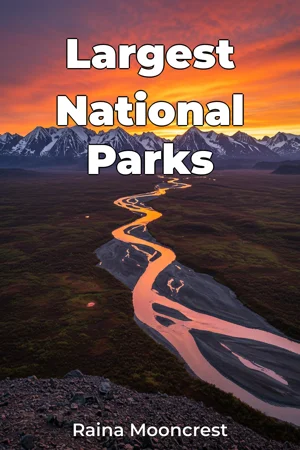
Are you aware that some national parks are larger than entire countries? "Largest National Parks" delves into the world's most expansive protected areas, revealing the sheer scale of these natural wonders and the critical role they play in preserving biodiversity and ecological balance. This book explores not only the geographical immensity of these parks but also the complex ecosystems they encapsulate and the global implications of their conservation. This book addresses two primary themes. First, it profiles the largest national parks across the globe, detailing their physical characteristics, including size, terrain, and climate. Second, it examines the ecological significance of these parks, focusing on the flora, fauna, and unique habitats they safeguard. Understanding both the size and ecological importance of these parks is crucial for appreciating their role in global conservation efforts. The book provides a historical and scientific context for the establishment and management of large national parks. We will cover topics such as the origins of the national park concept, the evolution of conservation practices, and the scientific rationale behind protecting large contiguous areas of land. Readers will benefit from a basic understanding of ecology and conservation biology, though these concepts will be explained in accessible terms. The central argument of "Largest National Parks" is that the preservation of these vast ecosystems is essential for maintaining global biodiversity, mitigating climate change, and supporting sustainable development. The book asserts that these parks are not merely scenic landscapes but vital components of the Earth's life support system, and their long-term protection is paramount. The book's structure is designed to progressively build understanding. It begins with an introduction to the concept of national parks and their historical development. It then moves into detailed profiles of selected parks across different continents, describing their geography, ecology, and management challenges. Finally, the book culminates in a discussion of the global implications of national park conservation, including the role of international agreements and the potential for future expansion of protected areas. The evidence presented within this book is drawn from diverse sources, including scientific studies, government reports, and firsthand accounts from researchers and park managers. We will analyze satellite imagery to illustrate the size and spatial characteristics of the parks, and we will present data on species diversity and population trends to assess their ecological health. "Largest National Parks" connects to several interdisciplinary fields, including geography, biology, and environmental policy. By integrating perspectives from these disciplines, the book provides a holistic understanding of the challenges and opportunities associated with conserving large protected areas. This book takes an innovative approach by combining detailed geographical analysis with in-depth ecological assessments. It moves beyond simple descriptions of park size to provide a nuanced understanding of the ecological processes operating within these areas and the management strategies employed to protect them. The tone of this book is informative and accessible, aiming to engage a broad audience while maintaining scientific rigor. The writing style is clear and concise, avoiding jargon and technical terms where possible, and using visual aids such as maps and photographs to enhance understanding. The target audience includes nature enthusiasts, students of environmental science, conservation professionals, and anyone interested in learning more about the world's most important protected areas. This book offers practical insights into the challenges and opportunities associated with conserving large ecosystems, making it valuable for anyone involved in or concerned with environmental stewardship. As a work of non-fiction, this book adheres to principles of accuracy, objectivity, and evidence-based reasoning. It presents information in a balanced and unbiased manner, acknowledging different perspectives and avoiding sensationalism. The book's scope is limited to terrestrial national parks exceeding a certain size threshold, although the specific threshold may vary based on data availability and ecological significance. While marine protected areas are also important, they are not the primary focus of this book. The information presented in "Largest National Parks" can be applied in various practical ways. It can inform conservation planning, guide land management decisions, and raise public awareness about the importance of protecting large ecosystems. The book addresses ongoing debates in the field of conservation, such as the optimal size and configuration of protected areas, the role of local communities in park management, and the challenges of balancing conservation goals with economic development. By examining these debates, the book provides a comprehensive and nuanced perspective on the complexities of national park conservation.
Are you aware that some national parks are larger than entire countries? "Largest National Parks" delves into the world's most expansive protected areas, revealing the sheer scale of these natural wonders and the critical role they play in preserving biodiversity and ecological balance. This book explores not only the geographical immensity of these parks but also the complex ecosystems they encapsulate and the global implications of their conservation. This book addresses two primary themes. First, it profiles the largest national parks across the globe, detailing their physical characteristics, including size, terrain, and climate. Second, it examines the ecological significance of these parks, focusing on the flora, fauna, and unique habitats they safeguard. Understanding both the size and ecological importance of these parks is crucial for appreciating their role in global conservation efforts. The book provides a historical and scientific context for the establishment and management of large national parks. We will cover topics such as the origins of the national park concept, the evolution of conservation practices, and the scientific rationale behind protecting large contiguous areas of land. Readers will benefit from a basic understanding of ecology and conservation biology, though these concepts will be explained in accessible terms. The central argument of "Largest National Parks" is that the preservation of these vast ecosystems is essential for maintaining global biodiversity, mitigating climate change, and supporting sustainable development. The book asserts that these parks are not merely scenic landscapes but vital components of the Earth's life support system, and their long-term protection is paramount. The book's structure is designed to progressively build understanding. It begins with an introduction to the concept of national parks and their historical development. It then moves into detailed profiles of selected parks across different continents, describing their geography, ecology, and management challenges. Finally, the book culminates in a discussion of the global implications of national park conservation, including the role of international agreements and the potential for future expansion of protected areas. The evidence presented within this book is drawn from diverse sources, including scientific studies, government reports, and firsthand accounts from researchers and park managers. We will analyze satellite imagery to illustrate the size and spatial characteristics of the parks, and we will present data on species diversity and population trends to assess their ecological health. "Largest National Parks" connects to several interdisciplinary fields, including geography, biology, and environmental policy. By integrating perspectives from these disciplines, the book provides a holistic understanding of the challenges and opportunities associated with conserving large protected areas. This book takes an innovative approach by combining detailed geographical analysis with in-depth ecological assessments. It moves beyond simple descriptions of park size to provide a nuanced understanding of the ecological processes operating within these areas and the management strategies employed to protect them. The tone of this book is informative and accessible, aiming to engage a broad audience while maintaining scientific rigor. The writing style is clear and concise, avoiding jargon and technical terms where possible, and using visual aids such as maps and photographs to enhance understanding. The target audience includes nature enthusiasts, students of environmental science, conservation professionals, and anyone interested in learning more about the world's most important protected areas. This book offers practical insights into the challenges and opportunities associated with conserving large ecosystems, making it valuable for anyone involved in or concerned with environmental stewardship. As a work of non-fiction, this book adheres to principles of accuracy, objectivity, and evidence-based reasoning. It presents information in a balanced and unbiased manner, acknowledging different perspectives and avoiding sensationalism. The book's scope is limited to terrestrial national parks exceeding a certain size threshold, although the specific threshold may vary based on data availability and ecological significance. While marine protected areas are also important, they are not the primary focus of this book. The information presented in "Largest National Parks" can be applied in various practical ways. It can inform conservation planning, guide land management decisions, and raise public awareness about the importance of protecting large ecosystems. The book addresses ongoing debates in the field of conservation, such as the optimal size and configuration of protected areas, the role of local communities in park management, and the challenges of balancing conservation goals with economic development. By examining these debates, the book provides a comprehensive and nuanced perspective on the complexities of national park conservation.
"Largest National Parks" explores the world's most expansive protected areas, highlighting their geographical scale and ecological importance. Some of these parks are larger than entire countries, playing a critical role in preserving biodiversity and maintaining ecological balance. The book examines the physical characteristics, such as size and terrain, alongside the unique ecosystems these parks safeguard, emphasizing their role in global conservation efforts. The book progresses from introducing the concept of national parks to profiling selected parks across different continents, detailing their geography, ecology, and management challenges. It reveals how these parks are not just scenic landscapes but vital components of Earth's life support system. By combining geographical analysis with ecological assessments, "Largest National Parks" provides a nuanced understanding of the ecological processes and management strategies within these areas. This approach offers practical insights into conservation planning and land management, making it valuable for nature enthusiasts, environmental science students, and conservation professionals. It asserts that preserving these vast ecosystems is essential for mitigating climate change and supporting sustainable development.
Book Details
ISBN
9788233992613
Publisher
Publifye AS
Your Licenses
You don't own any licenses for this book
Purchase a license below to unlock this book and download the EPUB.
Purchase License
Select a tier to unlock this book
Need bulk licensing?
Contact us for enterprise agreements.