
About This Book
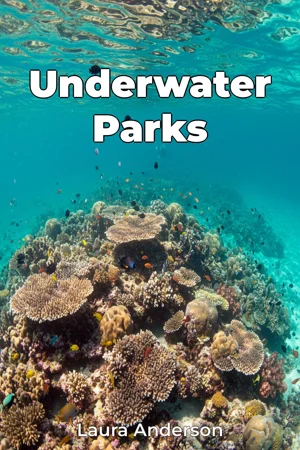
Have you ever wondered what lies beneath the surface, in those protected underwater realms we call national parks? This book, "Underwater Parks," invites you to explore the hidden wonders preserved within these aquatic ecosystems. We journey from vibrant coral reefs teeming with life to the silent, submerged ruins of ancient civilizations, revealing the critical importance of these protected marine areas. "Underwater Parks" addresses several key topics. First, it examines the ecological significance of marine protected areas, emphasizing their role in biodiversity conservation and the maintenance of healthy ocean ecosystems. Second, it delves into the historical and cultural value of submerged heritage sites, offering insights into past human interactions with the sea. Finally, it analyzes the challenges and successes of managing these unique parks, including issues of tourism, climate change, and sustainable use. The exploration of underwater parks requires an understanding of both marine biology and maritime history. We provide a foundation in these areas, explaining basic ecological principles and outlining significant historical events that led to the creation and preservation of these submerged locations. No prior knowledge is needed; the book is designed to be accessible to anyone interested in marine environments and cultural heritage. Our central argument is that underwater parks are not merely beautiful destinations but are vital components of global conservation efforts and essential repositories of cultural memory. Effectively managing these areas is critical for preserving biodiversity, understanding our past, and ensuring a sustainable future for our oceans. The book begins by introducing the concept of underwater parks and their growing importance in a rapidly changing world. We then move on to explore specific examples of these parks across the globe. a) One section focuses on coral reef ecosystems, detailing the diverse flora and fauna they support and the threats they face from pollution and climate change, using examples such as Dry Tortugas National Park and the Florida Keys National Marine Sanctuary. b) Another section examines submerged archaeological sites, such as those found in Biscayne National Park, offering insights into ancient shipwrecks and prehistoric settlements now lying beneath the waves. c) This is followed by a discussion of the management strategies employed in these parks, including zoning regulations, visitor management, and conservation initiatives. The book culminates in a discussion of the future of underwater parks, considering the impact of climate change, technological advancements in underwater exploration, and the need for international cooperation in marine conservation. The evidence presented in "Underwater Parks" is drawn from a variety of sources, including scientific research papers, archaeological reports, historical documents, and firsthand accounts from park rangers and marine biologists. We also draw on data from organizations like the National Park Service and UNESCO. We use underwater photography and advanced imaging techniques to visually present the hidden beauty of these parks. This book connects to several interdisciplinary fields. First is marine biology, providing the factual basis for understanding the diverse ecosystems found in underwater parks. Also, it connects to archaeology, enriching our understanding of the cultural significance of submerged historical sites. Finally, it connects to environmental policy, analyzing the effectiveness of different management strategies in preserving these valuable resources. "Underwater Parks" offers a cohesive and integrated perspective. We highlight overlooked, less visited locations, and address management and ethical considerations that are rarely discussed in travel or nature books. The tone of the book is informative and engaging, striving for a balance between scientific accuracy and accessibility. The writing style is clear and concise, avoiding jargon and technical terms whenever possible. The target audience includes nature enthusiasts, scuba divers, history buffs, students of marine biology and archaeology, and anyone interested in learning more about the hidden wonders of our planet. This book would be valuable to them because it provides a comprehensive overview of a previously underexplored area, offering insights into both the natural and cultural heritage protected within these aquatic realms. As a travel and nature book, "Underwater Parks" balances detailed factual information with vivid descriptions of the environments. The scope of the book is wide, covering a range of underwater parks around the world, but it is limited to officially designated parks and protected areas. It does not include a comprehensive survey of all potential underwater archaeological sites or all marine ecosystems. Readers can apply the information in this book to their own travels, choosing destinations that support sustainable tourism and conservation efforts. They can also use the knowledge gained to make informed decisions about their own impact on marine environments, reducing pollution and supporting responsible fishing practices. "Underwater Parks" addresses the ongoing debate about the balance between tourism and conservation in marine protected areas. It also considers the controversies surrounding the salvage of artifacts from shipwrecks and the ethical implications of underwater exploration. The book seeks to foster a deeper appreciation for the hidden wonders of our underwater world and inspire readers to become advocates for marine conservation.
Have you ever wondered what lies beneath the surface, in those protected underwater realms we call national parks? This book, "Underwater Parks," invites you to explore the hidden wonders preserved within these aquatic ecosystems. We journey from vibrant coral reefs teeming with life to the silent, submerged ruins of ancient civilizations, revealing the critical importance of these protected marine areas. "Underwater Parks" addresses several key topics. First, it examines the ecological significance of marine protected areas, emphasizing their role in biodiversity conservation and the maintenance of healthy ocean ecosystems. Second, it delves into the historical and cultural value of submerged heritage sites, offering insights into past human interactions with the sea. Finally, it analyzes the challenges and successes of managing these unique parks, including issues of tourism, climate change, and sustainable use. The exploration of underwater parks requires an understanding of both marine biology and maritime history. We provide a foundation in these areas, explaining basic ecological principles and outlining significant historical events that led to the creation and preservation of these submerged locations. No prior knowledge is needed; the book is designed to be accessible to anyone interested in marine environments and cultural heritage. Our central argument is that underwater parks are not merely beautiful destinations but are vital components of global conservation efforts and essential repositories of cultural memory. Effectively managing these areas is critical for preserving biodiversity, understanding our past, and ensuring a sustainable future for our oceans. The book begins by introducing the concept of underwater parks and their growing importance in a rapidly changing world. We then move on to explore specific examples of these parks across the globe. a) One section focuses on coral reef ecosystems, detailing the diverse flora and fauna they support and the threats they face from pollution and climate change, using examples such as Dry Tortugas National Park and the Florida Keys National Marine Sanctuary. b) Another section examines submerged archaeological sites, such as those found in Biscayne National Park, offering insights into ancient shipwrecks and prehistoric settlements now lying beneath the waves. c) This is followed by a discussion of the management strategies employed in these parks, including zoning regulations, visitor management, and conservation initiatives. The book culminates in a discussion of the future of underwater parks, considering the impact of climate change, technological advancements in underwater exploration, and the need for international cooperation in marine conservation. The evidence presented in "Underwater Parks" is drawn from a variety of sources, including scientific research papers, archaeological reports, historical documents, and firsthand accounts from park rangers and marine biologists. We also draw on data from organizations like the National Park Service and UNESCO. We use underwater photography and advanced imaging techniques to visually present the hidden beauty of these parks. This book connects to several interdisciplinary fields. First is marine biology, providing the factual basis for understanding the diverse ecosystems found in underwater parks. Also, it connects to archaeology, enriching our understanding of the cultural significance of submerged historical sites. Finally, it connects to environmental policy, analyzing the effectiveness of different management strategies in preserving these valuable resources. "Underwater Parks" offers a cohesive and integrated perspective. We highlight overlooked, less visited locations, and address management and ethical considerations that are rarely discussed in travel or nature books. The tone of the book is informative and engaging, striving for a balance between scientific accuracy and accessibility. The writing style is clear and concise, avoiding jargon and technical terms whenever possible. The target audience includes nature enthusiasts, scuba divers, history buffs, students of marine biology and archaeology, and anyone interested in learning more about the hidden wonders of our planet. This book would be valuable to them because it provides a comprehensive overview of a previously underexplored area, offering insights into both the natural and cultural heritage protected within these aquatic realms. As a travel and nature book, "Underwater Parks" balances detailed factual information with vivid descriptions of the environments. The scope of the book is wide, covering a range of underwater parks around the world, but it is limited to officially designated parks and protected areas. It does not include a comprehensive survey of all potential underwater archaeological sites or all marine ecosystems. Readers can apply the information in this book to their own travels, choosing destinations that support sustainable tourism and conservation efforts. They can also use the knowledge gained to make informed decisions about their own impact on marine environments, reducing pollution and supporting responsible fishing practices. "Underwater Parks" addresses the ongoing debate about the balance between tourism and conservation in marine protected areas. It also considers the controversies surrounding the salvage of artifacts from shipwrecks and the ethical implications of underwater exploration. The book seeks to foster a deeper appreciation for the hidden wonders of our underwater world and inspire readers to become advocates for marine conservation.
"Underwater Parks" explores the fascinating world of marine protected areas, revealing the ecological and historical treasures hidden beneath the ocean's surface. These underwater realms, often overlooked, play a crucial role in biodiversity conservation and offer unique insights into maritime history. For instance, coral reef ecosystems, like those in the Florida Keys National Marine Sanctuary, teem with diverse flora and fauna, while submerged archaeological sites, such as those in Biscayne National Park, offer glimpses into ancient shipwrecks and prehistoric settlements. The book delves into the challenges of managing these parks, including issues like tourism, climate change, and sustainable use, while examining the effectiveness of current management strategies. Did you know that underwater photography and advanced imaging techniques visually present the hidden beauty of these parks? By blending marine biology and maritime history, "Underwater Parks" provides a cohesive perspective on these vital components of global conservation efforts and repositories of cultural memory. Starting with an introduction to underwater parks, the book progresses to explore specific examples of coral reef ecosystems and submerged archaeological sites around the globe. It culminates in a discussion of the future of these parks, considering the impact of climate change and the need for international cooperation in marine conservation, making it a valuable resource for nature enthusiasts, scuba divers, and anyone interested in marine environments.
Book Details
ISBN
9788233992569
Publisher
Publifye AS
Your Licenses
You don't own any licenses for this book
Purchase a license below to unlock this book and download the EPUB.
Purchase License
Select a tier to unlock this book
Need bulk licensing?
Contact us for enterprise agreements.