
About This Book
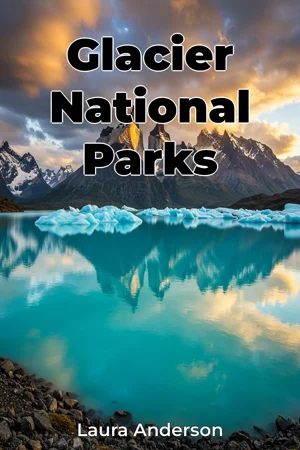
Are the glaciers of our national parks destined to become relics of the past? This book, "Glacier National Parks," delves into the icy heart of these natural treasures, examining their beauty, ecological significance, and the profound threat posed by climate change. This is a journey to understand the delicate balance of these glacial ecosystems and the urgent need for conservation. We will explore two primary themes: the geological and ecological importance of glaciers within national park boundaries, and the accelerating impact of global warming on these fragile environments. The glaciers act as vital freshwater reservoirs, feeding rivers and supporting diverse plant and animal life. Their disappearance has cascading effects, altering water availability, increasing wildfire risk, and disrupting delicate alpine ecosystems. Understanding these interconnected systems is crucial for informed environmental stewardship. The book provides a comprehensive overview of glacial formation, movement, and their roles in shaping landscapes over millennia. We will examine the historical context of glacier study, from early explorers and surveyors to modern glaciologists employing advanced technologies. No specific prior knowledge is required; the book explains technical concepts in accessible language, supplemented by clear diagrams and photographs. The central argument of "Glacier National Parks" is that the rapid decline of glacial ice in these protected areas serves as a stark indicator of global climate change, demanding immediate and sustained action. The book will demonstrate that protecting these glaciers is not simply about preserving scenic beauty but safeguarding vital ecosystems and mitigating the broader impacts of a warming planet, presenting a compelling case for prioritizing climate solutions. The book is structured in three parts. Part one introduces glacial environments, detailing their formation, characteristics, and ecological roles within several national park regions. Part two examines the evidence of glacial retreat using historical data, scientific studies, and photographic comparisons, highlighting the specific ways climate change is affecting these environments. Part three explores potential mitigation and adaptation strategies, discussing policy recommendations and individual actions that can help protect these vulnerable landscapes. The evidence presented is drawn from a variety of sources, including peer-reviewed scientific literature, government reports, and firsthand observations from field research. We will analyze long-term data sets of glacial mass balance, temperature records, and precipitation patterns to demonstrate the undeniable trend of glacial decline. The book also features compelling case studies of specific glaciers, such as those in Glacier National Park (USA) and Banff National Park (Canada), illustrating the regional variations in glacial response to climate change. This work connects to several interdisciplinary fields, including climatology, ecology, and environmental policy. The discussion of climate change connects readers to climatology, and our assessment of the ecological ramifications of declining glaciers leads into ecological studies. Finally, the exploration of policy suggestions connects to the field of environmental policy, enhancing its relevance and applicability to a broader audience. "Glacier National Parks" provides a unique perspective by combining scientific rigor with accessible storytelling. It offers a sobering assessment of the threats facing these iconic landscapes while also inspiring hope through the exploration of potential solutions. The tone is informative and engaging, balancing scientific accuracy with a sense of urgency and concern for the future of these natural wonders. The intended audience includes nature enthusiasts, environmental advocates, students, and anyone interested in learning more about the impacts of climate change on our national parks. This book provides valuable insights into the science behind climate change, the ecological consequences of glacial loss, and the steps we can take to protect these irreplaceable resources. As a non-fiction work in the environment and nature genres, this book aligns with the conventions of presenting factual information in a clear, concise, and engaging manner. It emphasizes scientific accuracy, visual aids, and real-world examples to enhance understanding and connect with the reader on an emotional level. The scope of the book focuses primarily on glaciers within national park boundaries, acknowledging that glaciers exist in other regions as well. This targeted approach allows for a detailed examination of the specific challenges and opportunities for conservation within these protected areas. The information presented has real-world applications for both individuals and policymakers. It informs personal choices related to energy consumption and environmental stewardship while also providing a scientific basis for advocating for policies that promote climate action and protect our national parks. The book addresses the ongoing debates surrounding climate change, acknowledging the complexities and uncertainties involved while emphasizing the overwhelming scientific consensus on the reality and human cause of global warming. Ultimately, "Glacier National Parks" aims to empower readers with the knowledge and motivation to become active participants in protecting these glacial ecosystems for future generations.
Are the glaciers of our national parks destined to become relics of the past? This book, "Glacier National Parks," delves into the icy heart of these natural treasures, examining their beauty, ecological significance, and the profound threat posed by climate change. This is a journey to understand the delicate balance of these glacial ecosystems and the urgent need for conservation. We will explore two primary themes: the geological and ecological importance of glaciers within national park boundaries, and the accelerating impact of global warming on these fragile environments. The glaciers act as vital freshwater reservoirs, feeding rivers and supporting diverse plant and animal life. Their disappearance has cascading effects, altering water availability, increasing wildfire risk, and disrupting delicate alpine ecosystems. Understanding these interconnected systems is crucial for informed environmental stewardship. The book provides a comprehensive overview of glacial formation, movement, and their roles in shaping landscapes over millennia. We will examine the historical context of glacier study, from early explorers and surveyors to modern glaciologists employing advanced technologies. No specific prior knowledge is required; the book explains technical concepts in accessible language, supplemented by clear diagrams and photographs. The central argument of "Glacier National Parks" is that the rapid decline of glacial ice in these protected areas serves as a stark indicator of global climate change, demanding immediate and sustained action. The book will demonstrate that protecting these glaciers is not simply about preserving scenic beauty but safeguarding vital ecosystems and mitigating the broader impacts of a warming planet, presenting a compelling case for prioritizing climate solutions. The book is structured in three parts. Part one introduces glacial environments, detailing their formation, characteristics, and ecological roles within several national park regions. Part two examines the evidence of glacial retreat using historical data, scientific studies, and photographic comparisons, highlighting the specific ways climate change is affecting these environments. Part three explores potential mitigation and adaptation strategies, discussing policy recommendations and individual actions that can help protect these vulnerable landscapes. The evidence presented is drawn from a variety of sources, including peer-reviewed scientific literature, government reports, and firsthand observations from field research. We will analyze long-term data sets of glacial mass balance, temperature records, and precipitation patterns to demonstrate the undeniable trend of glacial decline. The book also features compelling case studies of specific glaciers, such as those in Glacier National Park (USA) and Banff National Park (Canada), illustrating the regional variations in glacial response to climate change. This work connects to several interdisciplinary fields, including climatology, ecology, and environmental policy. The discussion of climate change connects readers to climatology, and our assessment of the ecological ramifications of declining glaciers leads into ecological studies. Finally, the exploration of policy suggestions connects to the field of environmental policy, enhancing its relevance and applicability to a broader audience. "Glacier National Parks" provides a unique perspective by combining scientific rigor with accessible storytelling. It offers a sobering assessment of the threats facing these iconic landscapes while also inspiring hope through the exploration of potential solutions. The tone is informative and engaging, balancing scientific accuracy with a sense of urgency and concern for the future of these natural wonders. The intended audience includes nature enthusiasts, environmental advocates, students, and anyone interested in learning more about the impacts of climate change on our national parks. This book provides valuable insights into the science behind climate change, the ecological consequences of glacial loss, and the steps we can take to protect these irreplaceable resources. As a non-fiction work in the environment and nature genres, this book aligns with the conventions of presenting factual information in a clear, concise, and engaging manner. It emphasizes scientific accuracy, visual aids, and real-world examples to enhance understanding and connect with the reader on an emotional level. The scope of the book focuses primarily on glaciers within national park boundaries, acknowledging that glaciers exist in other regions as well. This targeted approach allows for a detailed examination of the specific challenges and opportunities for conservation within these protected areas. The information presented has real-world applications for both individuals and policymakers. It informs personal choices related to energy consumption and environmental stewardship while also providing a scientific basis for advocating for policies that promote climate action and protect our national parks. The book addresses the ongoing debates surrounding climate change, acknowledging the complexities and uncertainties involved while emphasizing the overwhelming scientific consensus on the reality and human cause of global warming. Ultimately, "Glacier National Parks" aims to empower readers with the knowledge and motivation to become active participants in protecting these glacial ecosystems for future generations.
"Glacier National Parks" explores the critical role of glaciers in our national parks and the escalating threat they face from climate change. These icy landscapes are not just scenic wonders; they are vital freshwater reservoirs that sustain diverse ecosystems. The book highlights how glacial retreat disrupts water availability, increases wildfire risk, and endangers alpine environments, emphasizing the urgent need for environmental stewardship. The book examines glacial formation, movement, and their historical significance, making complex concepts accessible with clear diagrams and photographs. It reveals alarming evidence of glacial decline through historical data, scientific studies, and photographic comparisons, demonstrating how global warming is specifically impacting various park regions. The study of these glaciers shows that they have been shaped over millennia. Progressing from the introduction of glacial environments to the examination of retreat evidence and finally to mitigation strategies, the book presents potential policy recommendations and actions for protecting these landscapes. By combining scientific rigor with accessible storytelling, "Glacier National Parks" inspires readers to understand and act on the climate challenges facing these irreplaceable natural treasures.
Book Details
ISBN
9788233992521
Publisher
Publifye AS
Your Licenses
You don't own any licenses for this book
Purchase a license below to unlock this book and download the EPUB.
Purchase License
Select a tier to unlock this book
Need bulk licensing?
Contact us for enterprise agreements.