
About This Book
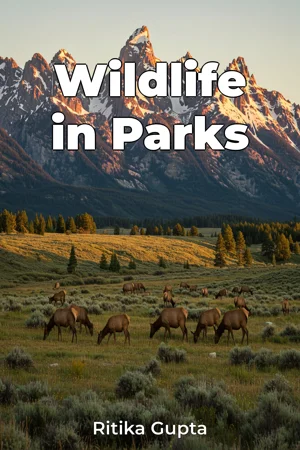
Have you ever wondered what it truly takes to protect the incredible creatures that call our national parks home? "Wildlife in Parks" delves deep into the vibrant ecosystems existing within these protected lands, examining the behaviors of diverse animal species and the pressing conservation challenges they face. This book explores not only the ecological significance of these animals but also the complex interplay between human activity and wildlife survival, emphasizing the urgent need for informed conservation strategies. We will explore a number of key topics. First, we examine the biodiversity found within national park boundaries, showcasing the sheer variety of animal life, from apex predators to keystone species, and the delicate balance of these ecosystems. Second, we analyze the behavioral adaptations of these animals, revealing how they survive and thrive in their specific environments while also adapting to increasing human presence and climate change. Third, we confront the significant conservation challenges, including habitat loss, human-wildlife conflict, poaching, and the effects of climate change, offering potential solutions and management strategies. Understanding the historical context of national parks is crucial; we trace the evolution of park management policies from early preservation efforts to contemporary, science-based conservation practices. The book also investigates the social context, analyzing the roles of local communities, government agencies, and conservation organizations in shaping wildlife protection strategies. Prior knowledge of basic ecological principles will enhance the reading experience, though core concepts are explained throughout the text. The central argument of "Wildlife in Parks" is that effective wildlife conservation in national parks requires an integrated approach combining scientific research, adaptive management strategies, and community engagement. This argument underscores the importance of moving beyond traditional preservation models toward a more dynamic and collaborative framework that acknowledges the interconnectedness of ecological, social, and economic factors. The book begins by introducing the concept of national parks as vital refuges for wildlife, outlining their ecological role and historical significance. The core of the book is divided into three major sections: a detailed exploration of animal behavior, examining foraging, mating rituals, and social structures; an in-depth analysis of specific conservation challenges, presenting case studies from various national parks; and an evaluation of different management strategies, assessing their effectiveness and offering recommendations for improvement. The book culminates by advocating for a holistic approach to wildlife conservation that integrates scientific knowledge with community-based solutions, arguing for the importance of sustainable tourism, education, and policy reform. Throughout the book, we present a wide array of evidence and research, drawing from scientific studies, field observations, and expert interviews. Unique data sources include long-term monitoring programs within national parks, GPS tracking data of animal movements, and analyses of genetic diversity. "Wildlife in Parks" connects to several interdisciplinary fields, including environmental science, sociology, and economics. By examining the social and economic impacts of conservation policies, we will provide a more comprehensive understanding of the complexities involved. The book also touches on the ethics of conservation, prompting reflection on our responsibility to protect wildlife. This book offers a novel perspective by highlighting the importance of adaptive management—a flexible, iterative approach that allows conservation strategies to evolve in response to changing environmental conditions and new scientific findings. This perspective challenges traditional, rigid management paradigms and calls for a more proactive and responsive approach. The book adopts a fact-based writing style, presenting information in a clear and accessible manner. Case studies and real-world examples are used to illustrate key concepts, making the material engaging and relevant. The intended audience includes students, conservation professionals, policymakers, and anyone interested in wildlife and national parks. This book offers valuable insights and practical guidance for anyone seeking to understand and contribute to the protection of wildlife in these critical ecosystems. The book aims to provide a broad overview of wildlife conservation in national parks across different regions and ecosystems, while acknowledging the limitations of covering every species or park in detail. By focusing on key concepts and providing representative case studies, the book offers a comprehensive yet manageable scope. The information in this book can be applied practically by readers in various ways, from supporting conservation organizations and advocating for policy changes to adopting sustainable tourism practices and promoting wildlife-friendly behaviors. Finally, "Wildlife in Parks" addresses ongoing debates in the field, such as the balance between human access and wildlife protection, the role of predator control, and the effectiveness of different habitat restoration techniques. By presenting diverse perspectives and analyzing the evidence, the book encourages critical thinking and informed decision-making.
Have you ever wondered what it truly takes to protect the incredible creatures that call our national parks home? "Wildlife in Parks" delves deep into the vibrant ecosystems existing within these protected lands, examining the behaviors of diverse animal species and the pressing conservation challenges they face. This book explores not only the ecological significance of these animals but also the complex interplay between human activity and wildlife survival, emphasizing the urgent need for informed conservation strategies. We will explore a number of key topics. First, we examine the biodiversity found within national park boundaries, showcasing the sheer variety of animal life, from apex predators to keystone species, and the delicate balance of these ecosystems. Second, we analyze the behavioral adaptations of these animals, revealing how they survive and thrive in their specific environments while also adapting to increasing human presence and climate change. Third, we confront the significant conservation challenges, including habitat loss, human-wildlife conflict, poaching, and the effects of climate change, offering potential solutions and management strategies. Understanding the historical context of national parks is crucial; we trace the evolution of park management policies from early preservation efforts to contemporary, science-based conservation practices. The book also investigates the social context, analyzing the roles of local communities, government agencies, and conservation organizations in shaping wildlife protection strategies. Prior knowledge of basic ecological principles will enhance the reading experience, though core concepts are explained throughout the text. The central argument of "Wildlife in Parks" is that effective wildlife conservation in national parks requires an integrated approach combining scientific research, adaptive management strategies, and community engagement. This argument underscores the importance of moving beyond traditional preservation models toward a more dynamic and collaborative framework that acknowledges the interconnectedness of ecological, social, and economic factors. The book begins by introducing the concept of national parks as vital refuges for wildlife, outlining their ecological role and historical significance. The core of the book is divided into three major sections: a detailed exploration of animal behavior, examining foraging, mating rituals, and social structures; an in-depth analysis of specific conservation challenges, presenting case studies from various national parks; and an evaluation of different management strategies, assessing their effectiveness and offering recommendations for improvement. The book culminates by advocating for a holistic approach to wildlife conservation that integrates scientific knowledge with community-based solutions, arguing for the importance of sustainable tourism, education, and policy reform. Throughout the book, we present a wide array of evidence and research, drawing from scientific studies, field observations, and expert interviews. Unique data sources include long-term monitoring programs within national parks, GPS tracking data of animal movements, and analyses of genetic diversity. "Wildlife in Parks" connects to several interdisciplinary fields, including environmental science, sociology, and economics. By examining the social and economic impacts of conservation policies, we will provide a more comprehensive understanding of the complexities involved. The book also touches on the ethics of conservation, prompting reflection on our responsibility to protect wildlife. This book offers a novel perspective by highlighting the importance of adaptive management—a flexible, iterative approach that allows conservation strategies to evolve in response to changing environmental conditions and new scientific findings. This perspective challenges traditional, rigid management paradigms and calls for a more proactive and responsive approach. The book adopts a fact-based writing style, presenting information in a clear and accessible manner. Case studies and real-world examples are used to illustrate key concepts, making the material engaging and relevant. The intended audience includes students, conservation professionals, policymakers, and anyone interested in wildlife and national parks. This book offers valuable insights and practical guidance for anyone seeking to understand and contribute to the protection of wildlife in these critical ecosystems. The book aims to provide a broad overview of wildlife conservation in national parks across different regions and ecosystems, while acknowledging the limitations of covering every species or park in detail. By focusing on key concepts and providing representative case studies, the book offers a comprehensive yet manageable scope. The information in this book can be applied practically by readers in various ways, from supporting conservation organizations and advocating for policy changes to adopting sustainable tourism practices and promoting wildlife-friendly behaviors. Finally, "Wildlife in Parks" addresses ongoing debates in the field, such as the balance between human access and wildlife protection, the role of predator control, and the effectiveness of different habitat restoration techniques. By presenting diverse perspectives and analyzing the evidence, the book encourages critical thinking and informed decision-making.
"Wildlife in Parks" explores the delicate balance of ecosystems within national parks, focusing on the behaviors of diverse animal species and the conservation challenges they encounter. The book highlights the crucial role of these protected lands as refuges for wildlife, emphasizing the urgent need for effective conservation strategies. Readers will gain insights into how animals adapt to their environments, including increasing human presence and climate change, and will confront significant issues such as habitat loss and human-wildlife conflict. One intriguing fact is the intricate social structures observed in various species, impacting their survival strategies. The book traces the evolution of park management policies, advocating for an integrated approach that combines scientific research, adaptive management, and community engagement. It presents case studies and real-world examples to illustrate key concepts, making complex topics accessible to a broad audience. By examining the social and economic impacts of conservation policies, "Wildlife in Parks" provides a comprehensive understanding of the complexities involved. It progresses from introducing national parks and animal behavior to analyzing conservation challenges and evaluating management strategies. The book concludes by advocating for a holistic approach to wildlife conservation that integrates scientific knowledge with community-based solutions.
Book Details
ISBN
9788233992392
Publisher
Publifye AS
Your Licenses
You don't own any licenses for this book
Purchase a license below to unlock this book and download the EPUB.
Purchase License
Select a tier to unlock this book
Need bulk licensing?
Contact us for enterprise agreements.