
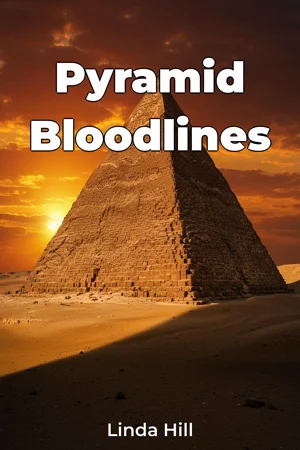
About This Book
Were the magnificent pyramids of ancient civilizations merely tombs, or do they conceal a deeper connection to the dynasties that commissioned them, a connection forged in blood and power? "Pyramid Bloodlines" delves into the intertwined histories of royal families and pyramid construction across various cultures, exposing the dynastic struggles that fueled these monumental undertakings. This book is important because it offers a fresh perspective on ancient history examining the pyramids not just as architectural marvels, but as key artifacts in understanding the complex power dynamics of the elites who ruled the ancient world. This exploration requires understanding the established chronologies of ancient dynasties, the prevalent religious beliefs surrounding death and the afterlife, and the known engineering capabilities of the societies in question. "Pyramid Bloodlines" argues that the construction of pyramids was inextricably linked to royal power, serving as a means to legitimize rule, consolidate resources, and project an image of divine authority intended to both impress subjects and intimidate rivals. The book begins with an introduction to the world’s most notable pyramid complexes, from Egypt and Mesoamerica to lesser-known examples in Asia and Europe. It then examines in detail two major points. First, it explores the evolution of pyramid design and construction techniques in relation to the shifting political landscapes and dynastic changes within these societies. We will showcase how each dynasty imprinted its unique style and ideology on the pyramids they commissioned. Second, the book analyzes the role of pyramids in royal succession, funerary rituals, and the cult of ancestor worship. This section highlights how pyramids became focal points for reinforcing the legitimacy of rulers and ensuring the continuity of royal bloodlines. The culmination of the argument demonstrates the tangible benefits (control of resources, social cohesion, validated authority) derived from investment in pyramid building. The evidence presented in "Pyramid Bloodlines" draws upon archaeological findings, including inscriptions, burial artifacts, and architectural analyses. Additionally, it incorporates textual sources, such as ancient chronicles, religious texts, and administrative records, to provide a multifaceted understanding of the motivations behind pyramid construction. Unique data sources include comparative analyses of pyramid construction timelines with known periods of dynastic instability and conflict. Interdisciplinary connections enrich the book's analysis. Anthropology provides insights into the social structures and belief systems that underpinned pyramid construction. Art history helps decipher the symbolic meanings embedded in pyramid architecture and decoration. Political science offers frameworks for understanding the dynamics of power and legitimacy in ancient societies. "Pyramid Bloodlines" differentiates itself by focusing on the intersection of royal bloodlines and pyramid construction, arguing that this relationship was a central driver of ancient civilization. The book adopts a narrative non-fiction style, presenting complex historical information in an accessible and engaging manner. The target audience includes history enthusiasts, archaeology buffs, and anyone interested in ancient civilizations and royal dynasties. The book offers valuable insights into the power dynamics of the past and how they shaped the world we live in today. As a work of world history, "Pyramid Bloodlines" adheres to the genre's standards of accuracy, objectivity, and thorough research. The book's scope is limited to the study of pyramid-building societies and their royal bloodlines, intentionally excluding other aspects of ancient history. The insights gained from "Pyramid Bloodlines" can be practically applied to the study of contemporary power structures and the ways in which elites manipulate symbols and institutions to maintain their authority. This book addresses the ongoing debate about the true purpose of pyramids and the extent to which they reflect the ambitions and ideologies of their royal patrons.
Were the magnificent pyramids of ancient civilizations merely tombs, or do they conceal a deeper connection to the dynasties that commissioned them, a connection forged in blood and power? "Pyramid Bloodlines" delves into the intertwined histories of royal families and pyramid construction across various cultures, exposing the dynastic struggles that fueled these monumental undertakings. This book is important because it offers a fresh perspective on ancient history examining the pyramids not just as architectural marvels, but as key artifacts in understanding the complex power dynamics of the elites who ruled the ancient world. This exploration requires understanding the established chronologies of ancient dynasties, the prevalent religious beliefs surrounding death and the afterlife, and the known engineering capabilities of the societies in question. "Pyramid Bloodlines" argues that the construction of pyramids was inextricably linked to royal power, serving as a means to legitimize rule, consolidate resources, and project an image of divine authority intended to both impress subjects and intimidate rivals. The book begins with an introduction to the world’s most notable pyramid complexes, from Egypt and Mesoamerica to lesser-known examples in Asia and Europe. It then examines in detail two major points. First, it explores the evolution of pyramid design and construction techniques in relation to the shifting political landscapes and dynastic changes within these societies. We will showcase how each dynasty imprinted its unique style and ideology on the pyramids they commissioned. Second, the book analyzes the role of pyramids in royal succession, funerary rituals, and the cult of ancestor worship. This section highlights how pyramids became focal points for reinforcing the legitimacy of rulers and ensuring the continuity of royal bloodlines. The culmination of the argument demonstrates the tangible benefits (control of resources, social cohesion, validated authority) derived from investment in pyramid building. The evidence presented in "Pyramid Bloodlines" draws upon archaeological findings, including inscriptions, burial artifacts, and architectural analyses. Additionally, it incorporates textual sources, such as ancient chronicles, religious texts, and administrative records, to provide a multifaceted understanding of the motivations behind pyramid construction. Unique data sources include comparative analyses of pyramid construction timelines with known periods of dynastic instability and conflict. Interdisciplinary connections enrich the book's analysis. Anthropology provides insights into the social structures and belief systems that underpinned pyramid construction. Art history helps decipher the symbolic meanings embedded in pyramid architecture and decoration. Political science offers frameworks for understanding the dynamics of power and legitimacy in ancient societies. "Pyramid Bloodlines" differentiates itself by focusing on the intersection of royal bloodlines and pyramid construction, arguing that this relationship was a central driver of ancient civilization. The book adopts a narrative non-fiction style, presenting complex historical information in an accessible and engaging manner. The target audience includes history enthusiasts, archaeology buffs, and anyone interested in ancient civilizations and royal dynasties. The book offers valuable insights into the power dynamics of the past and how they shaped the world we live in today. As a work of world history, "Pyramid Bloodlines" adheres to the genre's standards of accuracy, objectivity, and thorough research. The book's scope is limited to the study of pyramid-building societies and their royal bloodlines, intentionally excluding other aspects of ancient history. The insights gained from "Pyramid Bloodlines" can be practically applied to the study of contemporary power structures and the ways in which elites manipulate symbols and institutions to maintain their authority. This book addresses the ongoing debate about the true purpose of pyramids and the extent to which they reflect the ambitions and ideologies of their royal patrons.
"Pyramid Bloodlines" examines the profound connection between ancient pyramids and the royal dynasties that commissioned them, arguing that these monumental structures were far more than just elaborate tombs. The book explores how pyramid construction served as a critical tool for legitimizing royal power, consolidating resources, and projecting divine authority. For example, the evolution of pyramid design often mirrored shifts in political landscapes, with each dynasty imprinting its unique style and ideology onto these imposing structures. The book begins by surveying notable pyramid complexes worldwide, from Egypt to Mesoamerica, before delving into the intricacies of pyramid design and construction techniques relative to dynastic changes. It analyzes the role of pyramids in royal succession, funerary rituals, and ancestor worship, highlighting their function as focal points for reinforcing the legitimacy of rulers and ensuring the continuity of royal bloodlines. Through archaeological findings, textual sources, and interdisciplinary connections, "Pyramid Bloodlines" offers a fresh perspective on ancient history and elite rule. The book progresses by first introducing the world’s most notable pyramid complexes and then examining in detail the evolution of pyramid design in relation to dynastic changes and the role of pyramids in royal succession and funerary rituals. This approach culminates in demonstrating the tangible benefits, such as validated authority, derived from investing in pyramid building. By focusing on the intertwining of royal bloodlines, ancient civilizations, and pyramid construction, "Pyramid Bloodlines" provides valuable insights into the power dynamics that shaped the ancient world.
Book Details
ISBN
9788233992330
Publisher
Publifye AS
Your Licenses
You don't own any licenses for this book
Purchase a license below to unlock this book and download the EPUB.
Purchase License
Select a tier to unlock this book
Need bulk licensing?
Contact us for enterprise agreements.