
About This Book
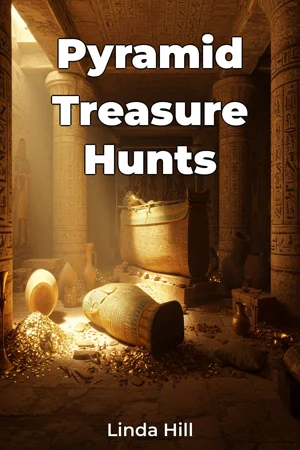
What secrets lie buried beneath the sands of time, guarded by the silent stones of ancient pyramids? "Pyramid Treasure Hunts" delves into the factual accounts of intrepid explorers and archaeologists who have sought to unlock the mysteries and riches concealed within these monumental tombs. This book is not a work of fiction, but a detailed exploration of the true stories behind the quests for lost artifacts and hidden chambers in pyramids across the globe, primarily focusing on Egypt with glances towards Mesoamerica. The heart of our investigation revolves around three central themes: the motivations of the explorers, the tangible discoveries made within the pyramids, and the lasting impact these explorations have had on our understanding of ancient civilizations. Understanding these topics is crucial for anyone seeking to grasp the complexities of archaeological research and the enduring allure of the past. To fully comprehend the explorations we discuss, it's necessary to understand the historical context in which they occurred. We will cover the rise of Egyptology, the development of archaeological techniques, and the socio-political factors that influenced the pursuit of pyramid treasures—from colonial endeavors to modern scientific investigations. Our central argument is that the exploration of pyramids is not simply a hunt for gold and jewels, but a complex interplay of scientific curiosity, historical interpretation, and cultural preservation. By examining the methods, findings, and ethical considerations involved in these treasure hunts, we gain a deeper appreciation for the challenges and rewards of uncovering the past. The book is structured to provide a comprehensive overview of the subject. First, we introduce the key figures and concepts involved in pyramid exploration. Second, we showcase the methods used to investigate the pyramids: intricate surveying techniques, the use of ground-penetrating radar, and the careful removal and documentation of artifacts. Third, we examine key discoveries such as Tutankhamun’s tomb, the treasures of Dahshur, and efforts to locate lost chambers. Finally, we consider the ethical implications of disturbing ancient burial sites and the ongoing debate about the ownership and display of recovered artifacts. To support our analysis, we draw upon a wide range of primary and secondary sources, including excavation reports, historical records, and academic publications. We will highlight the use of newly translated hieroglyphic texts, comparing them to the records and notes of those who first entered these tombs. "Pyramid Treasure Hunts" sits at the intersection of archaeology, history, and anthropology, providing a holistic view of pyramid exploration. It invites reflections on the nature of cultural heritage and the responsibility of preserving it for future generations. Our approach is to provide a carefully researched review of pyramid explorations, debunking myths and focusing on proven facts. This will be achieved through a narrative non-fiction writing style. This book targets a broad audience, from history enthusiasts and archaeology buffs to students and general readers seeking a deeper understanding of ancient civilizations. The book offers valuable insights into the process of archaeological discovery and the importance of preserving our shared cultural heritage. As a work of non-fiction, "Pyramid Treasure Hunts" adheres to the principles of accuracy, objectivity, and transparency. While the book aims for comprehensive coverage, it focuses primarily on well-documented cases of pyramid exploration, acknowledging that many aspects remain shrouded in mystery. The insights gained from pyramid explorations have practical applications in fields such as heritage management, museum studies, and even modern-day security. Understanding the construction techniques and security measures employed in ancient pyramids can inform contemporary approaches to building design and protection. The field of pyramid exploration is not without its controversies. Ethical considerations surrounding the excavation and display of human remains and sacred objects are ongoing debates. Therefore, the book offers a balanced perspective on these issues.
What secrets lie buried beneath the sands of time, guarded by the silent stones of ancient pyramids? "Pyramid Treasure Hunts" delves into the factual accounts of intrepid explorers and archaeologists who have sought to unlock the mysteries and riches concealed within these monumental tombs. This book is not a work of fiction, but a detailed exploration of the true stories behind the quests for lost artifacts and hidden chambers in pyramids across the globe, primarily focusing on Egypt with glances towards Mesoamerica. The heart of our investigation revolves around three central themes: the motivations of the explorers, the tangible discoveries made within the pyramids, and the lasting impact these explorations have had on our understanding of ancient civilizations. Understanding these topics is crucial for anyone seeking to grasp the complexities of archaeological research and the enduring allure of the past. To fully comprehend the explorations we discuss, it's necessary to understand the historical context in which they occurred. We will cover the rise of Egyptology, the development of archaeological techniques, and the socio-political factors that influenced the pursuit of pyramid treasures—from colonial endeavors to modern scientific investigations. Our central argument is that the exploration of pyramids is not simply a hunt for gold and jewels, but a complex interplay of scientific curiosity, historical interpretation, and cultural preservation. By examining the methods, findings, and ethical considerations involved in these treasure hunts, we gain a deeper appreciation for the challenges and rewards of uncovering the past. The book is structured to provide a comprehensive overview of the subject. First, we introduce the key figures and concepts involved in pyramid exploration. Second, we showcase the methods used to investigate the pyramids: intricate surveying techniques, the use of ground-penetrating radar, and the careful removal and documentation of artifacts. Third, we examine key discoveries such as Tutankhamun’s tomb, the treasures of Dahshur, and efforts to locate lost chambers. Finally, we consider the ethical implications of disturbing ancient burial sites and the ongoing debate about the ownership and display of recovered artifacts. To support our analysis, we draw upon a wide range of primary and secondary sources, including excavation reports, historical records, and academic publications. We will highlight the use of newly translated hieroglyphic texts, comparing them to the records and notes of those who first entered these tombs. "Pyramid Treasure Hunts" sits at the intersection of archaeology, history, and anthropology, providing a holistic view of pyramid exploration. It invites reflections on the nature of cultural heritage and the responsibility of preserving it for future generations. Our approach is to provide a carefully researched review of pyramid explorations, debunking myths and focusing on proven facts. This will be achieved through a narrative non-fiction writing style. This book targets a broad audience, from history enthusiasts and archaeology buffs to students and general readers seeking a deeper understanding of ancient civilizations. The book offers valuable insights into the process of archaeological discovery and the importance of preserving our shared cultural heritage. As a work of non-fiction, "Pyramid Treasure Hunts" adheres to the principles of accuracy, objectivity, and transparency. While the book aims for comprehensive coverage, it focuses primarily on well-documented cases of pyramid exploration, acknowledging that many aspects remain shrouded in mystery. The insights gained from pyramid explorations have practical applications in fields such as heritage management, museum studies, and even modern-day security. Understanding the construction techniques and security measures employed in ancient pyramids can inform contemporary approaches to building design and protection. The field of pyramid exploration is not without its controversies. Ethical considerations surrounding the excavation and display of human remains and sacred objects are ongoing debates. Therefore, the book offers a balanced perspective on these issues.
"Pyramid Treasure Hunts" explores the real-life adventures of archaeologists and explorers unlocking the secrets of ancient pyramids, primarily in Egypt, while also touching on Mesoamerica. This book delves into the factual accounts of those who sought lost artifacts and hidden chambers, highlighting the scientific curiosity, historical interpretation, and cultural preservation at the heart of these expeditions. The discoveries made within pyramids, such as Tutankhamun's tomb, have profoundly impacted our understanding of ancient civilizations. The book examines the motivations of explorers, the tangible discoveries they made, and the lasting impact of these explorations. It also covers the rise of Egyptology, the development of archaeological techniques, and the socio-political factors influencing the pursuit of pyramid treasures. "Pyramid Treasure Hunts" progresses by first introducing key figures and concepts, then showcasing investigation methods like surveying and ground-penetrating radar, and finally examining key discoveries and ethical implications, providing a comprehensive overview of pyramid exploration.
Book Details
ISBN
9788233992262
Publisher
Publifye AS
Your Licenses
You don't own any licenses for this book
Purchase a license below to unlock this book and download the EPUB.
Purchase License
Select a tier to unlock this book
Need bulk licensing?
Contact us for enterprise agreements.