
About This Book
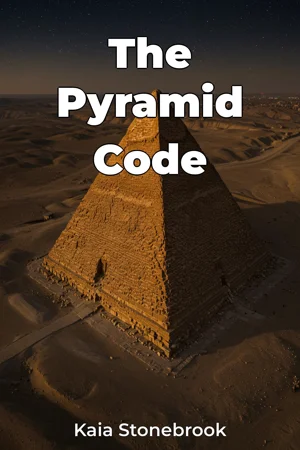
What if the ancient pyramids are more than just tombs? "The Pyramid Code" embarks on a journey to decipher the enigmatic symbols, inscriptions, and mathematical codes hidden within these monumental structures, blending scientific inquiry with historical analysis. This book explores two central premises: first, that the pyramids contain deliberately encoded information; and second, that this information reflects a sophisticated understanding of mathematics, astronomy, and possibly even physics, far exceeding what conventional history attributes to the civilizations that built them. These topics are significant because understanding this information could reshape our understanding of human history, scientific advancement in antiquity, and the potential capabilities of early civilizations To fully appreciate the implications of the pyramid codes, this book provides a comprehensive historical context, examining the rise and fall of the civilizations associated with pyramid construction, primarily focusing on ancient Egypt. It also delves into the basics of hieroglyphic writing, ancient Egyptian mathematics, and astronomical knowledge, equipping the reader with the necessary tools to interpret the evidence presented. The central argument of "The Pyramid Code" is that the pyramid complexes were not solely tombs or monuments to pharaohs, but rather repositories of advanced knowledge designed to be preserved and potentially deciphered by future generations. This argument challenges current historical paradigms and suggests a more profound purpose behind these ancient structures. The book is structured to guide the reader through a logical progression of discovery. It begins by introducing the concept of encoded information within the pyramids, followed by an in-depth exploration of specific symbols, inscriptions, and mathematical ratios found within the structures, specifically, the Great Pyramid of Giza. These are analyzed for their potential mathematical and astronomical significance, supported by evidence from archaeological surveys, hieroglyphic texts, and comparative architectural analysis. The book culminates in a discussion of the practical implications of these findings, suggesting how this knowledge might have been applied in ancient times. The evidence presented draws from diverse sources, including detailed surveys and measurements of the pyramids, translations of hieroglyphic texts related to mathematics and astronomy, and comparative analysis with other ancient structures and artifacts. It also considers the limitations of current dating methods and proposes alternative interpretations for the construction timeline of the pyramids. "The Pyramid Code" fosters connections between history, mathematics, and astronomy, providing a holistic perspective on the ancient world. For example, the book investigates how astronomical alignments may have influenced the placement and orientation of the pyramids and how mathematical ratios, such as the golden ratio, might have been deliberately incorporated into their design. Furthermore, the book touches upon the field of symbolic language, exploring the possibility that hieroglyphs and other symbols held deeper meanings beyond their literal translations. The book offers a unique perspective by suggesting the possibility of lost knowledge and advanced scientific understanding in ancient civilizations, inviting readers to question established historical narratives. The tone is inquisitive and analytical, presenting information in a structured and methodical manner. While the book aims to be accessible to a general audience, it maintains a scholarly approach, grounding its arguments in evidence and critical analysis. This book appeals to readers interested in history, archaeology, mathematics, and alternative theories about ancient civilizations. It is particularly valuable to those seeking a deeper understanding of the ancient world, and it is relevant to anyone fascinated by mysteries and the potential for hidden knowledge. As a work of non-fiction, "The Pyramid Code" adheres to the principles of accuracy, objectivity, and evidence-based reasoning. It presents multiple viewpoints and acknowledges the limitations of current knowledge, encouraging the reader to engage critically with the material presented. While the book focuses primarily on the pyramids of Egypt, it also touches upon similar structures in other parts of the world, providing a comparative perspective. However, the scope is intentionally limited to exploring the potential for encoded information within these structures, rather than providing a comprehensive history of pyramid construction. If the pyramids served as repositories of accumulated wisdom, understanding their codes could offer insights into ancient technologies, mathematical principles, and astronomical knowledge that could potentially inspire innovation and scientific progress today. The field of Egyptology is not without its controversies, particularly regarding the dating of the pyramids and the level of technological sophistication of the ancient Egyptians. This book addresses these debates by presenting alternative viewpoints and encouraging critical evaluation of the evidence.
What if the ancient pyramids are more than just tombs? "The Pyramid Code" embarks on a journey to decipher the enigmatic symbols, inscriptions, and mathematical codes hidden within these monumental structures, blending scientific inquiry with historical analysis. This book explores two central premises: first, that the pyramids contain deliberately encoded information; and second, that this information reflects a sophisticated understanding of mathematics, astronomy, and possibly even physics, far exceeding what conventional history attributes to the civilizations that built them. These topics are significant because understanding this information could reshape our understanding of human history, scientific advancement in antiquity, and the potential capabilities of early civilizations To fully appreciate the implications of the pyramid codes, this book provides a comprehensive historical context, examining the rise and fall of the civilizations associated with pyramid construction, primarily focusing on ancient Egypt. It also delves into the basics of hieroglyphic writing, ancient Egyptian mathematics, and astronomical knowledge, equipping the reader with the necessary tools to interpret the evidence presented. The central argument of "The Pyramid Code" is that the pyramid complexes were not solely tombs or monuments to pharaohs, but rather repositories of advanced knowledge designed to be preserved and potentially deciphered by future generations. This argument challenges current historical paradigms and suggests a more profound purpose behind these ancient structures. The book is structured to guide the reader through a logical progression of discovery. It begins by introducing the concept of encoded information within the pyramids, followed by an in-depth exploration of specific symbols, inscriptions, and mathematical ratios found within the structures, specifically, the Great Pyramid of Giza. These are analyzed for their potential mathematical and astronomical significance, supported by evidence from archaeological surveys, hieroglyphic texts, and comparative architectural analysis. The book culminates in a discussion of the practical implications of these findings, suggesting how this knowledge might have been applied in ancient times. The evidence presented draws from diverse sources, including detailed surveys and measurements of the pyramids, translations of hieroglyphic texts related to mathematics and astronomy, and comparative analysis with other ancient structures and artifacts. It also considers the limitations of current dating methods and proposes alternative interpretations for the construction timeline of the pyramids. "The Pyramid Code" fosters connections between history, mathematics, and astronomy, providing a holistic perspective on the ancient world. For example, the book investigates how astronomical alignments may have influenced the placement and orientation of the pyramids and how mathematical ratios, such as the golden ratio, might have been deliberately incorporated into their design. Furthermore, the book touches upon the field of symbolic language, exploring the possibility that hieroglyphs and other symbols held deeper meanings beyond their literal translations. The book offers a unique perspective by suggesting the possibility of lost knowledge and advanced scientific understanding in ancient civilizations, inviting readers to question established historical narratives. The tone is inquisitive and analytical, presenting information in a structured and methodical manner. While the book aims to be accessible to a general audience, it maintains a scholarly approach, grounding its arguments in evidence and critical analysis. This book appeals to readers interested in history, archaeology, mathematics, and alternative theories about ancient civilizations. It is particularly valuable to those seeking a deeper understanding of the ancient world, and it is relevant to anyone fascinated by mysteries and the potential for hidden knowledge. As a work of non-fiction, "The Pyramid Code" adheres to the principles of accuracy, objectivity, and evidence-based reasoning. It presents multiple viewpoints and acknowledges the limitations of current knowledge, encouraging the reader to engage critically with the material presented. While the book focuses primarily on the pyramids of Egypt, it also touches upon similar structures in other parts of the world, providing a comparative perspective. However, the scope is intentionally limited to exploring the potential for encoded information within these structures, rather than providing a comprehensive history of pyramid construction. If the pyramids served as repositories of accumulated wisdom, understanding their codes could offer insights into ancient technologies, mathematical principles, and astronomical knowledge that could potentially inspire innovation and scientific progress today. The field of Egyptology is not without its controversies, particularly regarding the dating of the pyramids and the level of technological sophistication of the ancient Egyptians. This book addresses these debates by presenting alternative viewpoints and encouraging critical evaluation of the evidence.
"The Pyramid Code" delves into the world of ancient pyramids, particularly those in Egypt, exploring the idea that they contain encoded information reflecting advanced knowledge of mathematics, astronomy, and perhaps even physics. It challenges conventional historical timelines by suggesting that ancient civilizations possessed scientific understanding far exceeding what is typically acknowledged. The book suggests the Great Pyramid of Giza, for example, may be more than just a tomb; it may be a repository of lost knowledge intended for future generations. The book progresses by first establishing the historical context, then dissecting the symbols, inscriptions, and mathematical ratios embedded within these structures. These are analyzed for their potential mathematical and astronomical significance. The book examines hieroglyphs and architectural designs, fostering a connection between history, mathematics, and astronomy. This approach encourages readers to consider alternative interpretations about the construction and purpose of these ancient marvels, potentially reshaping our understanding of human history.
Book Details
ISBN
9788233992200
Publisher
Publifye AS
Your Licenses
You don't own any licenses for this book
Purchase a license below to unlock this book and download the EPUB.
Purchase License
Select a tier to unlock this book
Need bulk licensing?
Contact us for enterprise agreements.